Robot funding fell to 10.1 billion yuan in October
Embodied-AI funding in China totalled about 100 billion yuan in the first half and over 30 billion in June, falling to about 10.1 billion in October, as investors switched from imagination to delivery.
On November 15, China Economic Information Service published figures that cool the sector: in the first half of this year, domestic embodied-AI funding totalled about 100 billion yuan, with more than 30 billion in June alone; by October, monthly funding had fallen to about 10.1 billion yuan.
The shape of the curve
One hundred billion, 30 billion, 10.1 billion: those three numbers draw a steep decline. From June to October, monthly funding shrank to about a third.
Definitions matter. Such tallies usually include complete machines, components, data services and chips, and different institutions count differently. The direction, though, is unambiguous: less money, slower decisions.
Of that 100 billion, complete-machine companies took the bulk, with components, data services and chips sharing the rest. Judging a company now starts with its position in the chain: selling whole robots means the latest revenue recognition; selling parts and services brings cash earlier.
Not less money — a different ruler
One line in the report is worth keeping: capital has not left, it has swapped its ruler from "technological imagination" to "certainty of delivery."
The data backs that up. Galaxy General has deployed more than a thousand units commercially, used for loading, sorting and material handling at manufacturers; UBTECH and Leju are validating delivery capability through batch projects. Companies that can show how many units shipped and where they run can still raise; those with only demo videos are being repriced.
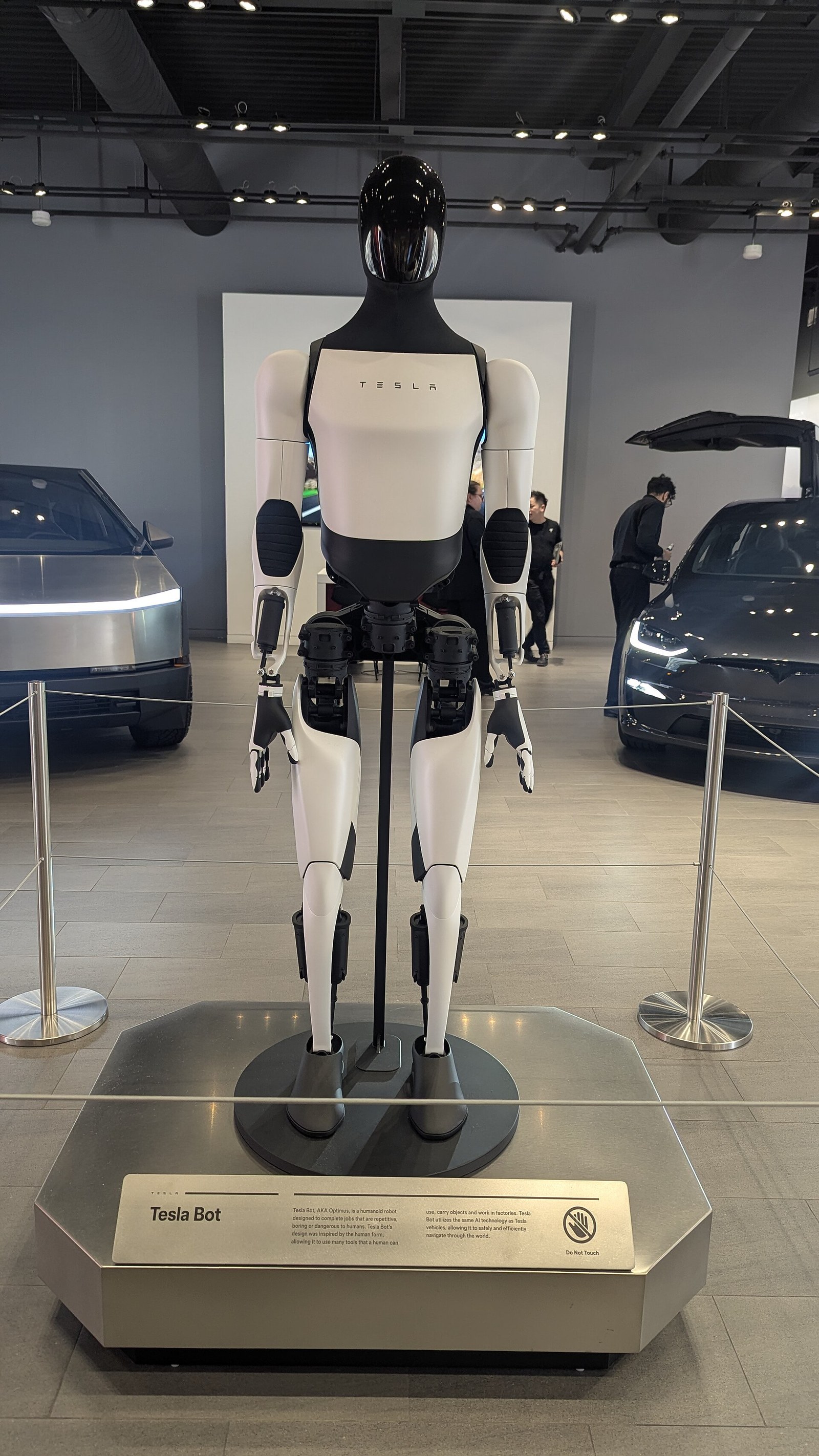
Cooling is not a freeze. October still produced large rounds: a 500 million yuan angel for Xixuan, close to 100 million for Kehang Space-Time, $500 million for Agile Robots. The money has not vanished; it is concentrating — which is what separates cooling from collapse.
Why the cooling now
Three causes stack up. First, valuations ran ahead: robot makers' valuations rose three to five times over the past year while revenue only arrives after delivery. Second, exits narrowed: IPO reviews have tightened and M&A is quiet, while fund lives are finite. Third, orders are diverging: leaders win large contracts, the middle of the market is still hunting for scenarios, and money concentrates at the top.
This cooling has a peculiar feature: it arrives when policy is at its friendliest. Beijing has just published a three-year plan, Qingdao opened demand for nearly 2,500 robots, and Hunan is promoting industrial embodied AI. Policy supplies demand; capital judges supply-side execution. The two rarely move in step.
The transmission is direct: slower private funding hits public markets first. Robot indices and related shares have grown noticeably more volatile over the past two months, as equities reprice what private rounds had marked up.
There is a structural shift too: the valuation premium is moving from listed companies to unlisted ones — in reverse. Listed firms have market prices and disclosures to anchor them; unlisted robot makers depend on the next round, and the next round is getting harder to negotiate.
Who loses, who gains
For robot makers without orders this is bad news: a narrower funding window, lower valuation anchors, and a higher cost to tell stories. For component suppliers it is good news: whichever maker wins, reducers, screws, hands and sensors all get bought, so demand is more certain.
For companies with scenario access — dealers, furniture retailers, logistics firms — this is an opening: they have settings but no product, and can now negotiate better terms with robot companies.
The first quarter is a dividing line. When 2026 annual reports arrive, companies that counted strategic partnerships and tender wins as revenue will not reconcile.
The industry is switching from funding-driven to order-driven, and that switch usually brings a shakeout: lower valuations, smaller teams, stalled projects. The survivors will not necessarily have the best technology, but they will be the ones that sold robots early and got paid.
This piece summarizes public reporting and did not independently verify funding figures or methodology. Not investment advice.