
Car parts suppliers are shipping robot components
Joyson delivered its first high-compute brain backpack to Unitree, Hesai has shipped over 35,000 robot power modules, and Zhongding listed a 1.92 billion yuan convertible bond to expand into robotics.
Around November 15, Ningbo Chaopingmian Robotics, a unit of Joyson Electronics, delivered the first "high-compute brain backpack" for robots to Unitree. The same week brought other numbers: Hesai's robot power modules have shipped more than 35,000 units, and Zhongding's 1.92 billion yuan convertible bond listed, with proceeds earmarked partly for robotics.
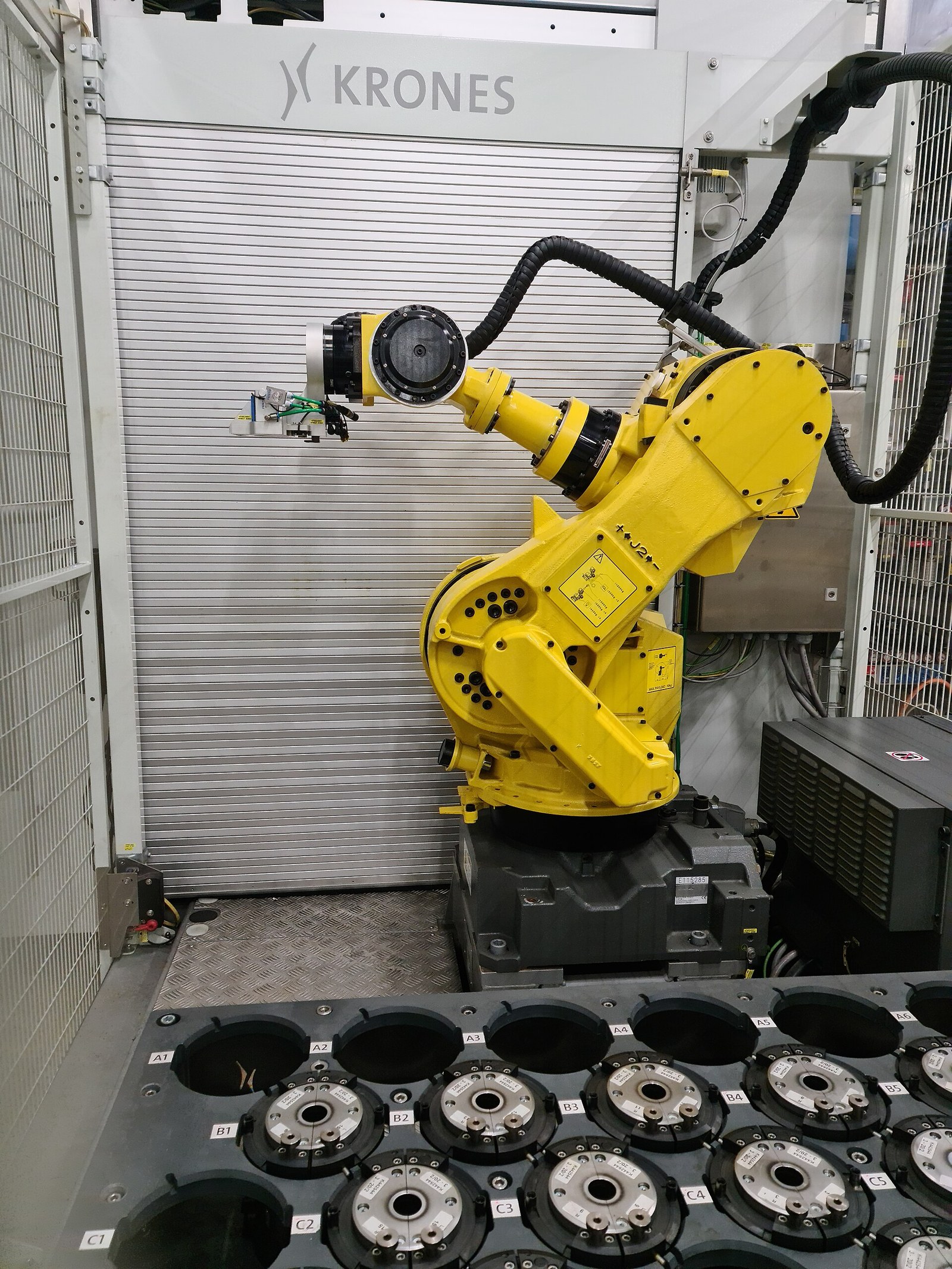
One clarification first: a robot's compute usually splits in two — an on-board controller for real-time motion, and an external unit for vision and model inference. As models grow, on-board options run out of headroom, and an external pack becomes an engineering compromise.
What the backpack is
According to both companies, the backpack is the core carrier of Joyson's embodied-AI brain, combining a high-compute edge platform with a high-efficiency energy system. It fits Unitree's humanoid, quadruped and wheeled forms and can be mounted externally to supply compute for perception, data collection, decision-making and dynamic motion control, or to run on-device model inference.
Two things were not disclosed: which chip and how much compute, and how large the battery is. Those two decide whether this is a real product delivery or a partnership ceremony with hardware attached.
An industry is changing suppliers
A humanoid's bill of materials overlaps heavily with a car's: motors, reducers, screws, bearings, wiring, connectors, battery packs, thermal modules. These are exactly what Chinese car-parts suppliers do best — automotive-grade lines, volume experience and disciplined cost control.
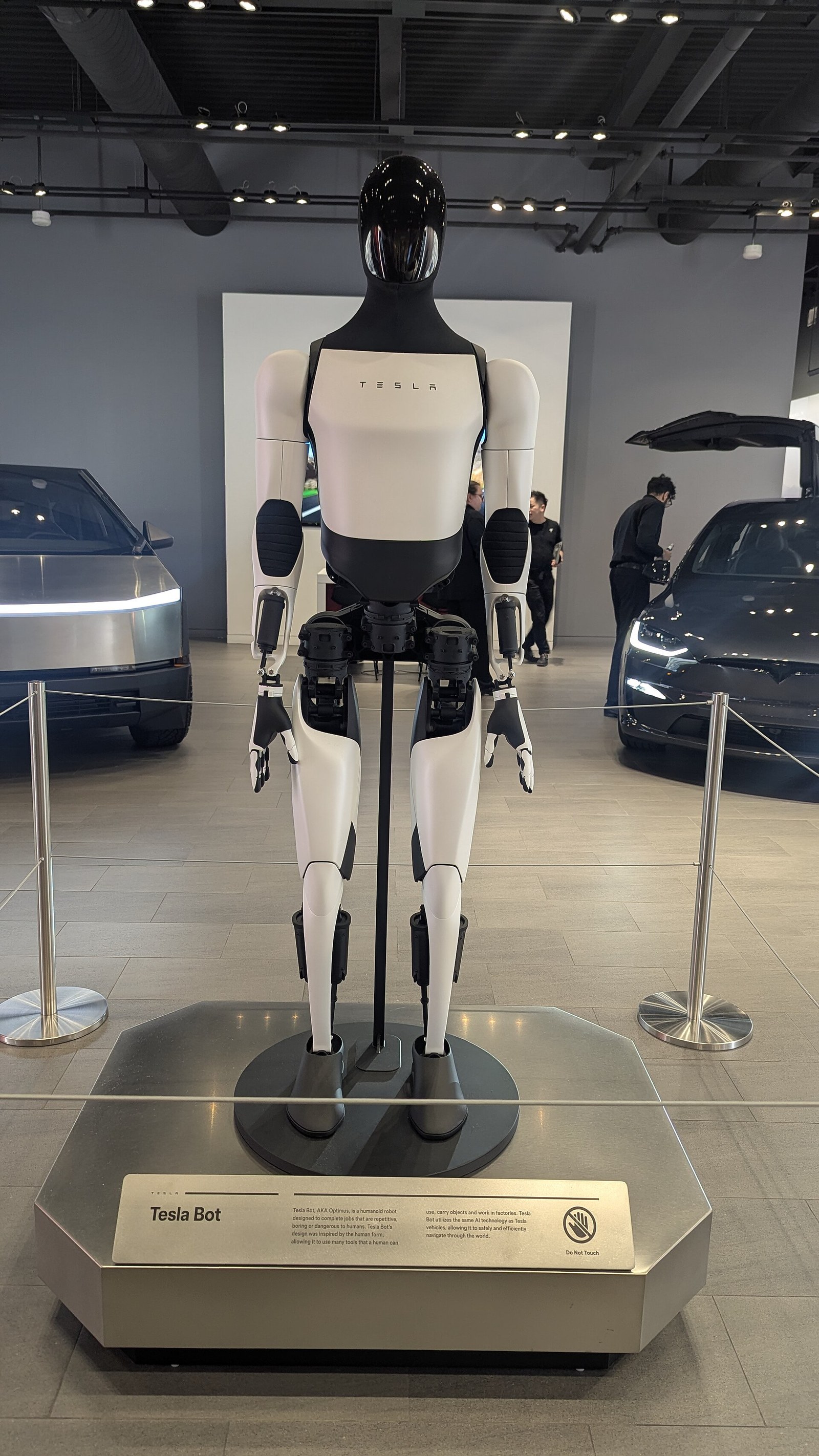
Hesai's 35,000 power modules are another data point: a company that started with lidar now sells motor-and-drive modules, and its shipments are already in the tens of thousands. Volume matters here — it means the line runs and costs have come down, rather than hand-built samples.
Zhongding's convertible bond reflects the other side: car-parts firms need capital expenditure to expand robot-related capacity, and the money comes from their existing automotive credit.
"Automotive grade" deserves unpacking: operation from minus 40 to 85 degrees Celsius, a design life beyond ten years, failure rates measured in parts per million. That is far stricter than consumer electronics, and industrial robots will eventually face the same bar.
There is a counter-move too: Tuosda released a full-size industrial biped, Star, plus a five-axis machining centre, S400, and signed several partnerships. Robot makers are moving into components while component makers move into robots, meeting in the middle.
Why now
Three conditions hold at once. Robot makers are shipping in volume, so component demand shifts from samples to scheduling. Automotive growth has slowed, so parts companies need new growth. And robot component specs are not yet standardised, so early entrants can help define the interfaces.
The third is the most overlooked. Automotive standards emerged from decades of bargaining; once an interface is fixed, latecomers can only substitute. Robotics is still early — module dimensions, voltages and protocols are all moving — so entrants now have a chance to make their design the default.
Falling component prices are, however, the precondition for cheaper robots. Humanoids have struggled to sell largely because the bill of materials is too high; costs only start to fall when motors, modules and battery packs reach tens of thousands of units.
Where to discount
Supply-chain spillover is not profit spillover. Robot components generally carry lower margins than automotive business, because volumes are small and yields are still climbing. Public information does not say what revenue Hesai's 35,000 modules produced, or whether the line is profitable.
Joyson's backpack is the same: the first unit is a milestone, but single-unit delivery and volume supply are separated by validation cycles and line changes. The real signal will be whether robot business appears as a separate line in next quarter's accounts.
For robot makers, more suppliers is good — more bargaining room and steadier delivery. But they should watch one thing: once components become commoditised, differentiation has to come from software and scenarios, which is exactly where moats are hardest to build.
This piece summarizes public reporting and did not independently verify delivery volumes or product specifications. Not investment advice.