
Qiyuan built 5,000 robots in 14 days
Qiyuan Robotics, under Shangwei New Materials, passed 10,000 cumulative units of its Q1 and T1 humanoids, doubling from 5,000 in 14 days, as IDC expects 25,000 dexterous hands shipped globally in 2026.
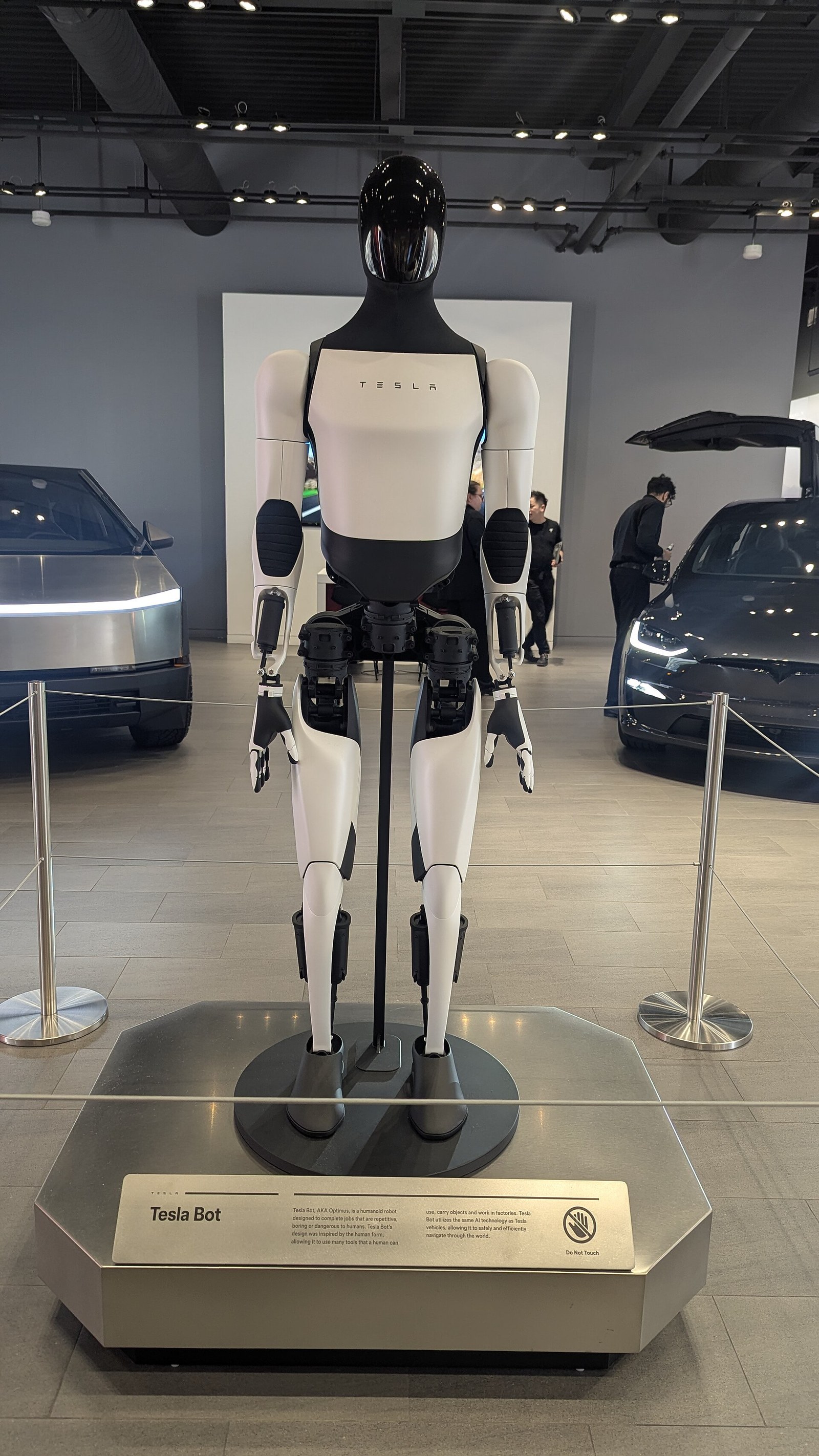
On November 15, research notes and media cited data showing that Qiyuan Robotics, a unit of Shangwei New Materials, had passed 10,000 cumulative units rolled off the line for its Q1 and T1 models. The previous milestone was unit 5,000 on October 25 — the doubling took 14 days.
What doubling in 14 days means
Spread the numbers: 5,000 units in 14 days is about 357 a day, or roughly 22 an hour across two eight-hour shifts. For an industry that has been building a few thousand units a year, that cadence looks like a production line rather than a workbench.
Ramping has never been about the first unit but the thousandth. Assembling a humanoid involves hundreds of parts and dozens of steps; a yield problem anywhere stops the line. Going from 5,000 to 10,000 in 14 days suggests the constraint has shifted from "can we build it" to "can materials keep up."
For reference, a car assembly line typically runs at about one vehicle a minute, or 60 an hour; at 22 an hour, humanoid assembly is roughly a quarter of that density. It is no longer a lab building one unit and testing it for a week; it is running at an industrial cadence.
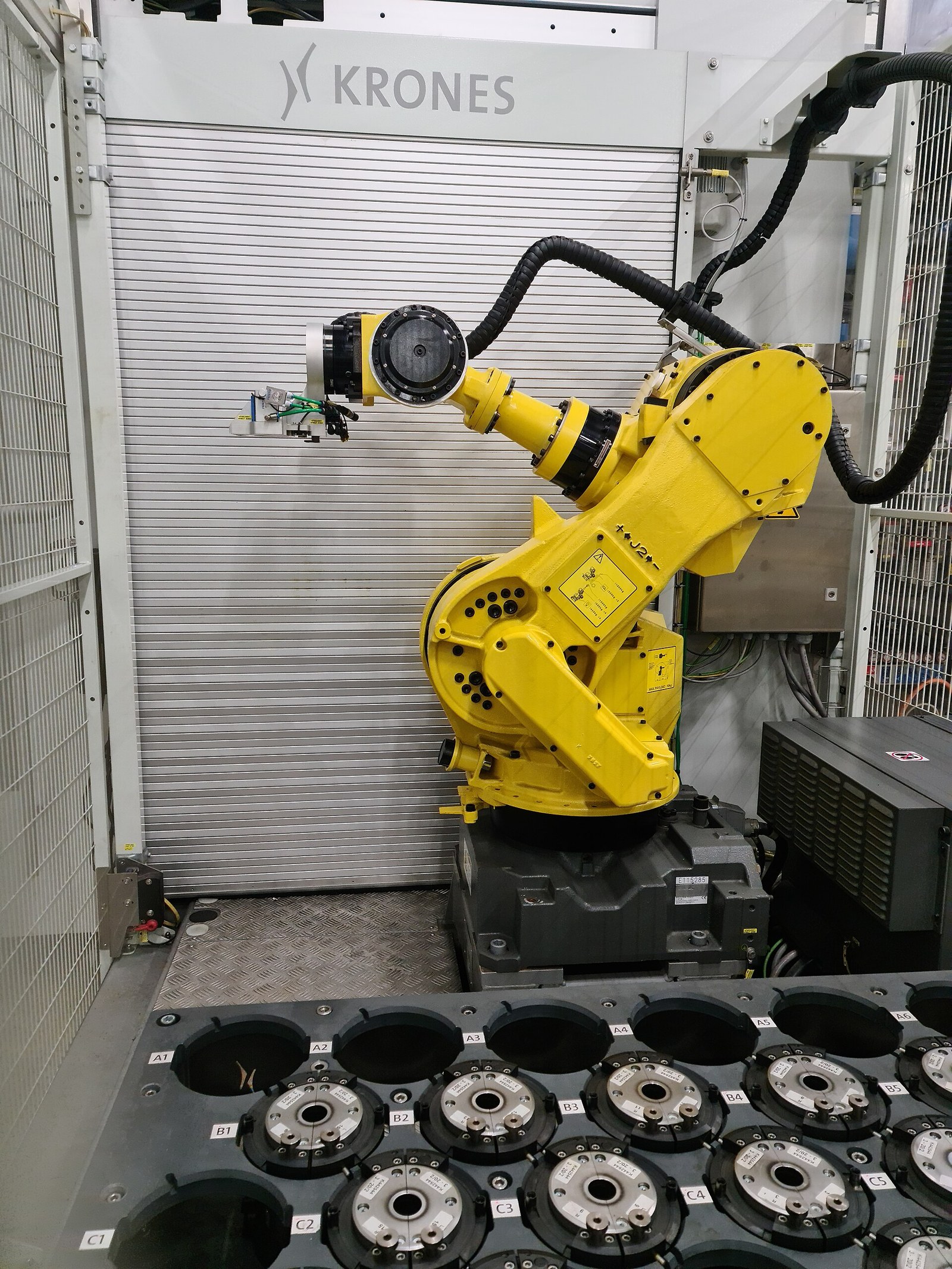
The parts most likely to stall the line are joint modules, which depend on reducers and motors, and dexterous hands, which depend on tactile sensors and micro-drives. A delay in any of them stops production.
Who Qiyuan is
Qiyuan is the humanoid business under Shangwei New Materials, a segment added in recent years that is not directly related to the company's original materials business. Public reporting gives limited specifications for the Q1 and T1, but the cadence suggests both are in batch manufacturing rather than prototype builds.
The same week brought another Qiyuan headline: a joint venture with Shangpin Home Collection covering secondary development, deployment and sales, alongside a 10,000-square-metre experience store in Guangzhou. The robot maker supplies product, the furniture company supplies settings and channels — the same logic as a car dealer selling humanoids.
Three industry numbers
First, hands. IDC expects global dexterous hand shipments of about 25,000 units in 2026, with Chinese suppliers above 85%. One of the hardest components in robotics is already concentrated in China.
Second, demand. Qingdao recently published a list of demand for nearly 2,500 robots, and Beijing and Hunan have issued their own embodied-AI policies. The shift from funding R&D to opening scenarios is the clearest change of the past six months.
Third, logistics. Xingdong Era's sorting robots are operating in more than ten postal and SF Express logistics centres. Compared with trade-show demos, a logistics hub is the hardest test of reliability: high volume, fixed takt, expensive downtime.
The ramp is also not a straight line. Going from 5,000 to 10,000 can happen in two weeks; 10,000 to 20,000 may not. Further up, parts completeness, line yield and inspection pass rates become the binding constraints.
Off the line is not delivered
This is the caveat that matters most. Rolling off the line means assembled and complete; it does not mean sold, and it does not mean revenue. Warehousing, shipping, installation and acceptance still lie in between.
What does 10,000 units mean for one maker? At a few hundred thousand yuan each, it implies a production value in the billions — enough to show up in a listed company's accounts and enough to keep reducer, screw and sensor suppliers scheduling production.
But capacity running ahead of orders is the industry's current condition. The real test comes next year: how many of those 10,000 ran for three months on a customer site, and how many generated repeat orders. Capacity can be built with a line; operating data cannot.
This piece summarizes public reporting and did not independently verify capacity or delivery data. Not investment advice.