
A car dealer group ordered 400 UBTECH humanoids to sell
Yongda Auto agreed on November 11 to buy 400 UBTECH U1 Pro bionic humanoids for delivery this year, a channel play rather than a factory deployment, with China producing over 40,000 humanoids in H1.
On November 11, UBTECH and Yongda Auto signed a strategic cooperation agreement: Yongda will purchase 400 of UBTECH's bionic humanoid robots, the U1 Pro, with delivery planned within this year. The scope of cooperation is broader than the order — consumer product sales, industry application development, experience and delivery services, and data and ecosystem work.

The buyer is a dealer, not a factory
Yongda Auto is one of China's leading luxury car dealership groups, with many stores, sales staff and an existing customer base. The logic differs from earlier humanoid orders: these machines are not bought to work a line, but to be sold.
For a dealer the arithmetic is simple. Car retail margins have been squeezed by price wars, and stores need new categories to pull traffic and raise basket size. A humanoid is a product with built-in novelty, a high ticket and a need for in-person experience.
For UBTECH, 400 units delivered within the year is an order that can go into the accounts, and a channel experiment.
Spread 40,000 units across the first half and it comes to roughly 6,700 a month. Four hundred is about two days of national output — negligible for the industry, but a real production commitment for one company.
What "bionic" points to
The U1 Pro is positioned as a bionic humanoid, and UBTECH did not disclose further specifications in this announcement. "Bionic" suggests the emphasis is on appearance and interaction rather than industrial capability — aimed at showrooms, malls, tourism and education rather than factory floors.
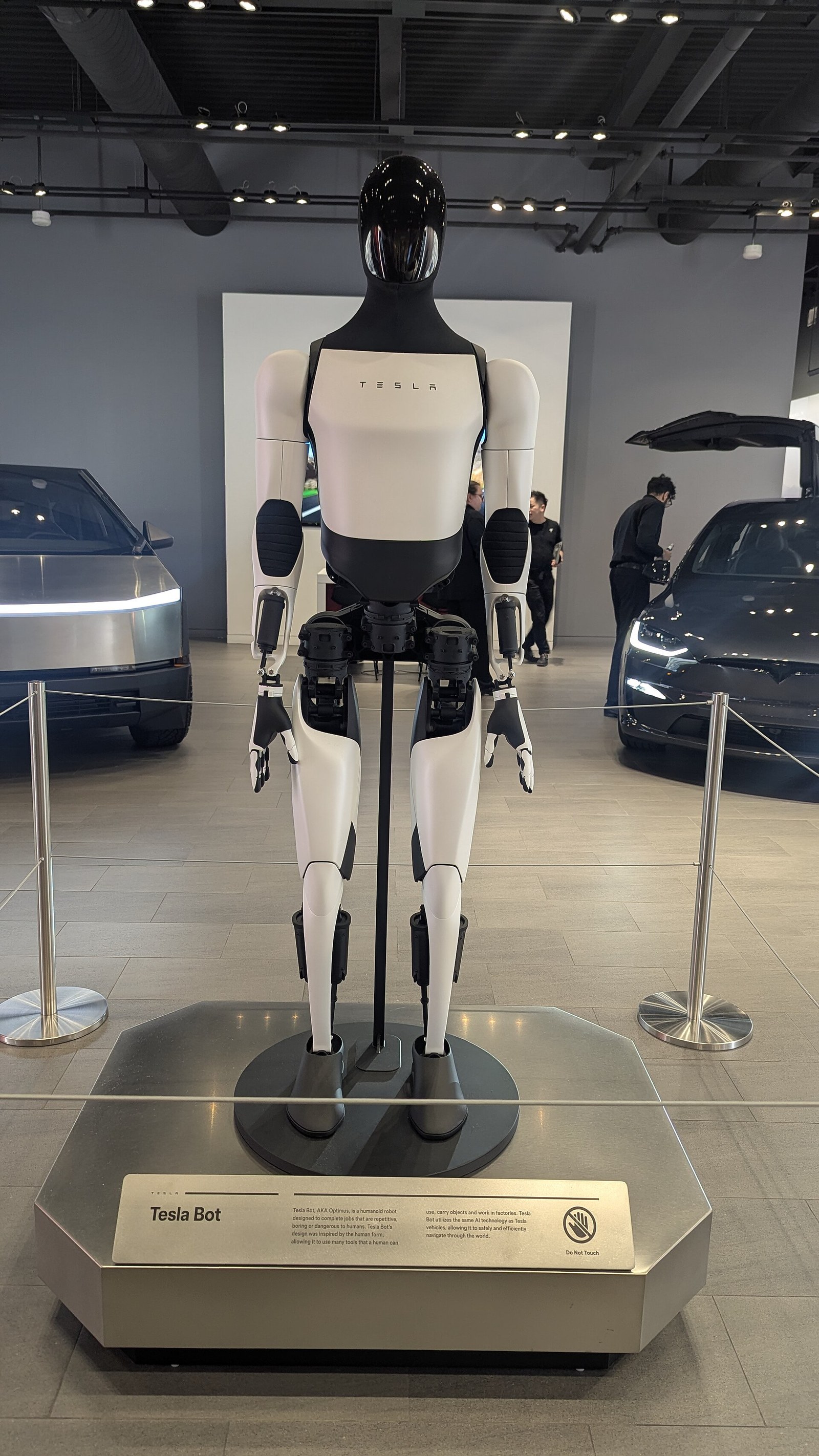
That also explains why the terms include "experience and delivery services" and "data and ecosystem cooperation." Selling the machine is only the start; deployment, commissioning, content updates and custom development are where a channel can keep earning.
400 units in context
According to the Ministry of Industry and Information Technology, China produced more than 40,000 humanoids in the first half of this year, with full-year output expected to exceed 100,000. Four hundred units is under 0.5% of annual output — not a demand shift for the industry, but a meaningful order for one company.
The delivery schedule matters more. "Within this year" means production, inspection, shipping and acceptance all have to happen in the coming weeks; that is a test of capacity and supply chain. For two years the sector has produced order announcements; on-time delivery records are rarer.
Selling robots through channels is not unprecedented: robot vacuums and education robots were built that way. The difference is that a humanoid costs an order of magnitude more, so a showroom has to solve experience, after-sales and instalment financing. That is why the agreement includes "experience and delivery services" — the capability the channel actually has to build.
Where to discount
First, it is unclear whether the 400 units are a binding contract or an intention, since payment terms and penalties were not reported. Car dealers have announced partnerships for publicity before.
Second, whether the channel can sell them is a separate question. Robots are not cars: there is no registration, insurance or service network. What a consumer actually does with one at home has no standard answer yet. Stores can provide "seeing," not "why buy."

Third, revenue on such orders is usually recognised in batches. All 400 must be delivered and accepted to count in full; any delay discounts the numbers.
The broader shift is clear: humanoids are moving from "sold to factories" to "sold through channels." The first tests technology and delivery, the second tests product definition and consumer education. Different problems, same requirement — someone has to be willing to pay.
This piece summarizes public reporting and did not independently verify vendor demos or experimental data. Not investment advice.