
A furniture company open-sourced a robot dataset
Shangpin Home Collection said its WorldSimReady-Home dataset, open-sourced with Tangyuan Technology, drew 27,000 downloads in its first month and topped the Robotics trending list, with 122 institutions in 43 countries requesting access.
On November 15, Shangpin Home Collection disclosed figures in an investor relations record: the WorldSimReady-Home simulation dataset for home-service embodied AI, released with Tangyuan Technology in September, was open-sourced free on HuggingFace, ModelScope and its own platform. In its first month it drew 27,000 downloads, reached third on the site-wide trending list of a million datasets and first in the Robotics category, and drew access requests from 122 institutions in 43 countries.
Why a furniture company built a dataset
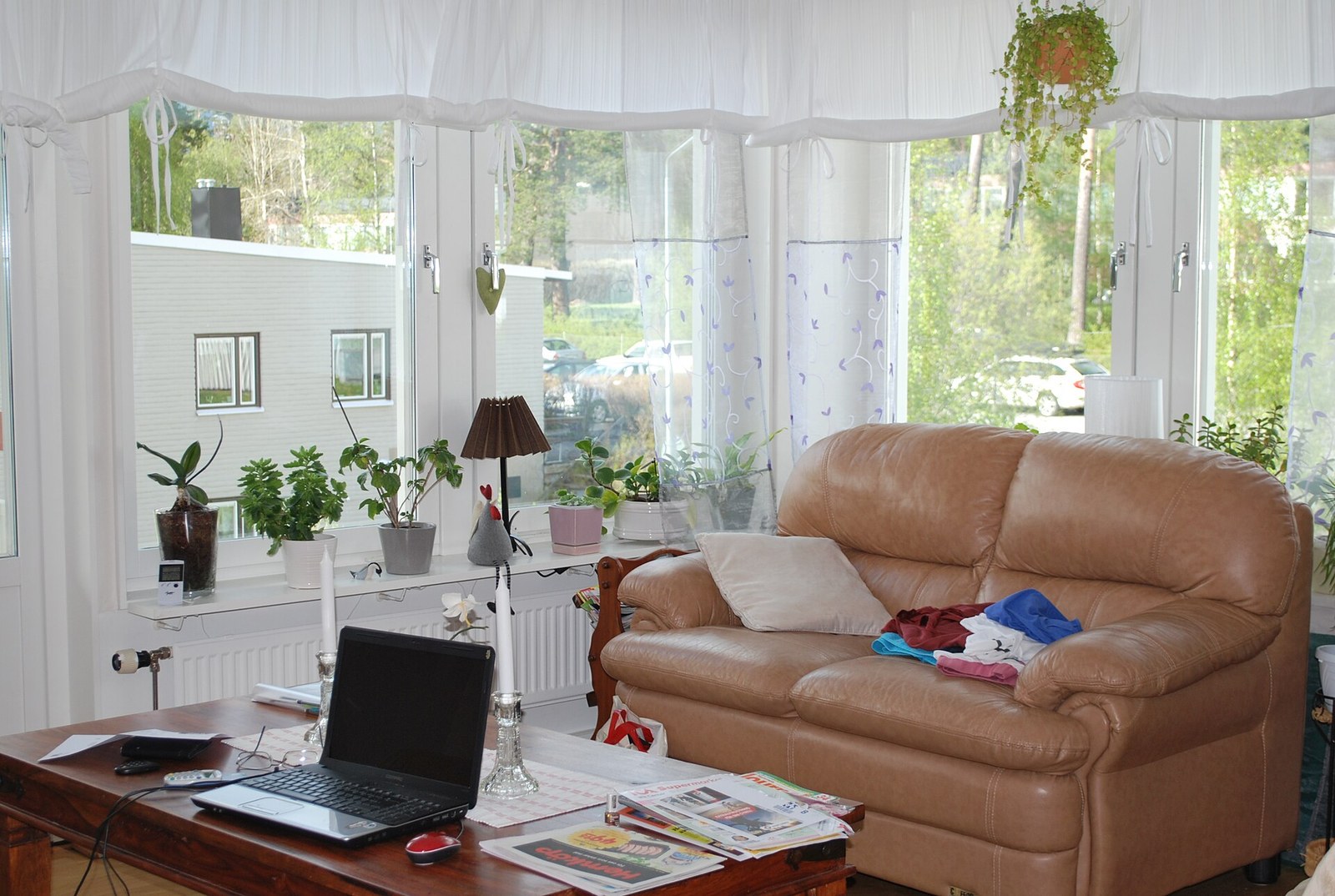
The author is not a robotics company but a custom-furniture business. The logic lies in its assets: Shangpin has more than 1,000 stores nationwide and produces over a thousand real customer floor plans and design schemes every day. Those drawings carry exact room dimensions, furniture placement and door and window positions — precisely the priors a home robot needs for navigation and grasping.
Most embodied-AI datasets come from two sources: teleoperated real-robot collection, expensive and small, or hand-built simulation, limited in realism. Companies like this hold a third kind: real floor plans already in commercial use, at scale.
What 27,000 downloads mean
Downloads are not revenue, but they are a signal. Public home-scene data is scarce because of privacy and collection costs; an open dataset containing real floor-plan distributions is directly useful to teams building home robots, robot vacuums and service robots.
Requests from 122 institutions in 43 countries suggest cross-border demand. Topping the Robotics category says more about professional uptake than third place overall.
Simulation datasets are usually used to generate training samples for grasping, opening and carrying in virtual environments, then transfer models to real robots. Floor plans supplied by a furniture company are exactly what virtual homes are built from.
Beyond data: a joint venture and a store
The same record mentions two more things. Shangpin has formed a joint venture with Qiyuan Robotics focused on secondary development, deployment and sales, starting with companionship, daily interaction and entertainment at home.
And its "Super Planet Home" experience store at the Guangzhou financial district headquarters entered trial operation in late October, covering more than 10,000 square metres with what it calls Qiyuan's largest offline experience centre, where visitors can watch robots move, interact and perform tasks in living-room and bedroom settings.
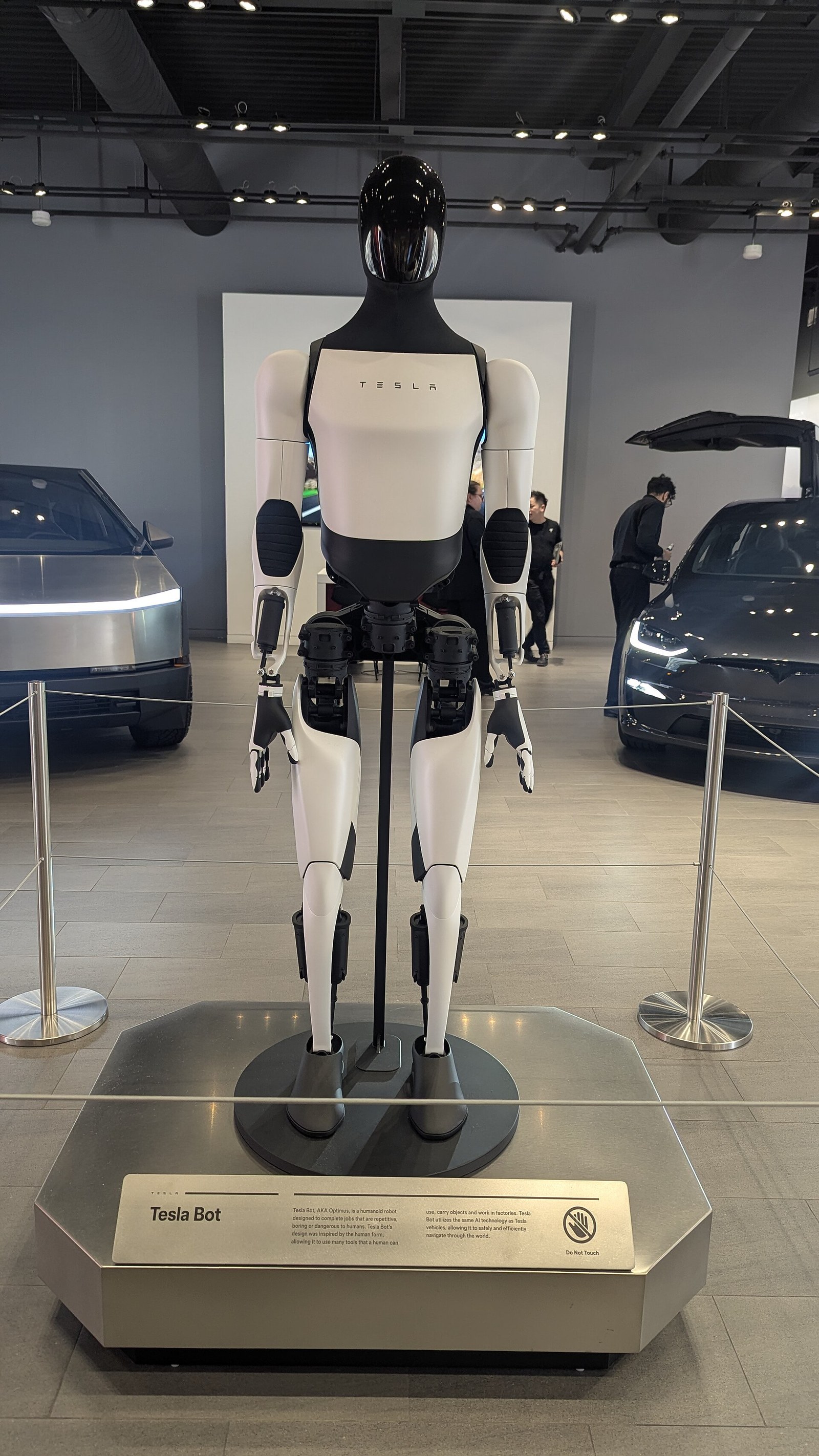
Together these form a chain: train models on existing floor-plan data, use stores for experience and sales, use the joint venture for local deployment. The furniture company lacks robots, not settings; the robot company lacks settings and data, not products. That is deeper than simply ordering a few hundred units.
There is a commercial layer too: a free dataset is itself customer acquisition. Developers who download it and then find hardware awkward to integrate tend to look first at the company behind the data — here, Qiyuan. Open-sourcing is a channel entrance, not charity.
Where to discount
First, 89.3% of usage is in research and education. That means the dataset is mainly academic for now, with little commercial use, and far from generating revenue. The company itself says the business is still exploring its model and technical route.
Second, floor plans are not manipulation data. A plan tells you what a room looks like, not how a person opens a cabinet, folds clothes or how much force a robot should apply. The former is scene prior; the latter is skill, and a layer of simulation and real-robot collection still lies between them.
Third, an experience store brings footfall, but conversion is another matter. Ten thousand square metres is expensive, and if the robots are costly with little repeat purchase, the payback will take a long time.
The direction is clear: robotics is borrowing from traditional companies that already own settings and data, rather than the reverse. Whoever holds real spaces and processes gets a share of that chain.
This piece summarizes public reporting and did not independently verify dataset usage or joint-venture progress. Not investment advice.