Agile Robots is valued at $8.5 billion on $230 million of revenue
Agile Robots raised a $500 million Series F at an $8.5 billion valuation, led by SoftBank with NVIDIA and Hitachi, on $230 million in revenue and 20,000 industrial deployments.
On November 12, Agile Robots announced a $500 million Series F at a post-money valuation of $8.5 billion, led by SoftBank Group with NVIDIA, Hitachi (including Hitachi Ventures) and T.Capital participating. Total funding now stands at about $2 billion.
Three numbers together
An $8.5 billion valuation against roughly $230 million of annual revenue implies about 37 times sales. That is high for industrial robotics, where traditional players usually trade at single-digit multiples; 37x is closer to software or high-growth hardware pricing.
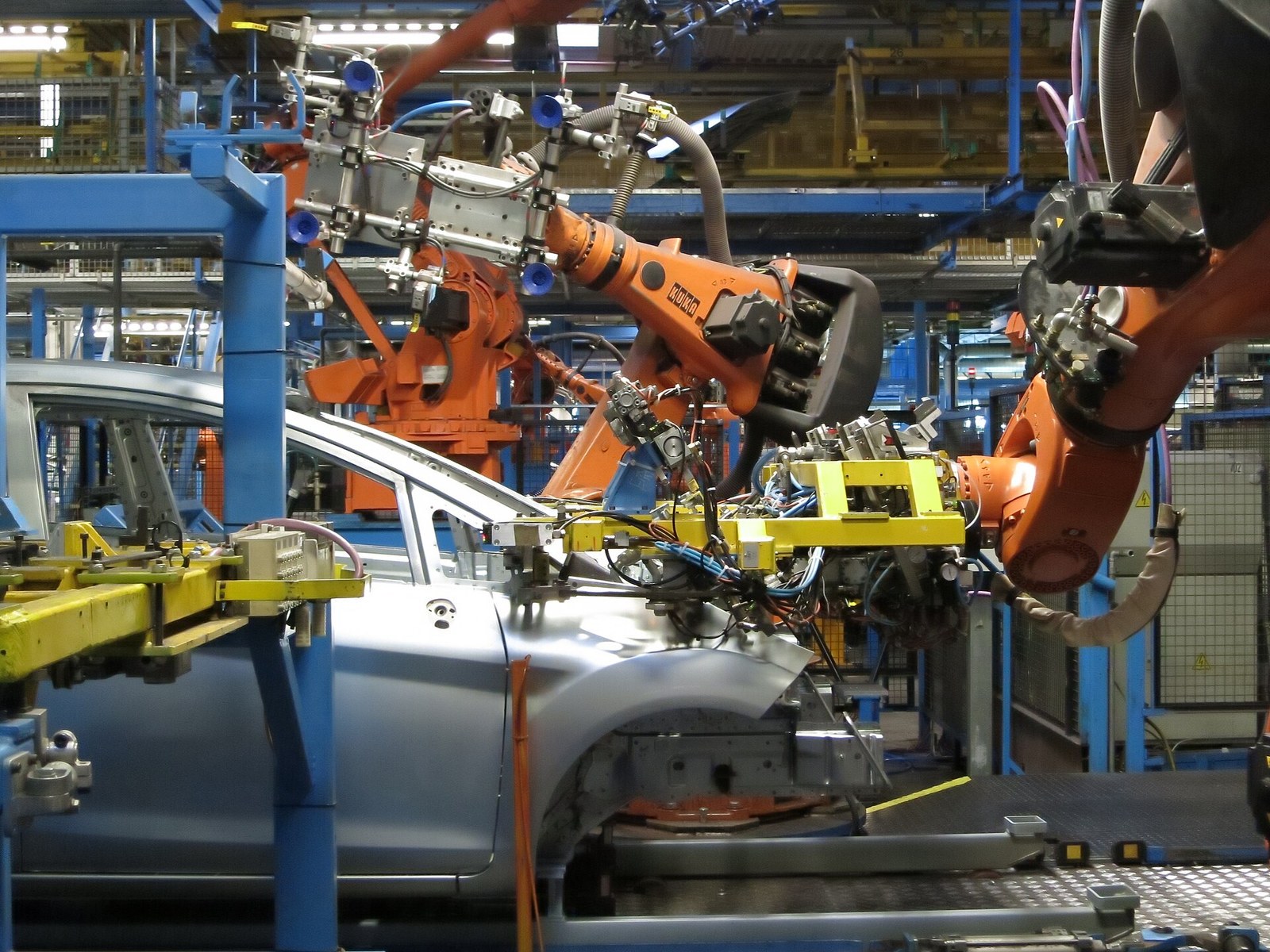
Then the delivery record: the company says it has deployed 20,000 industrial robot solutions across automotive, consumer electronics and logistics, with more than 3,500 employees from over 60 countries, over 2,000 of them in R&D, and more than 650 patent applications.
Twenty thousand deployments is not small, but most come from mature arm and mobile robot lines. The 37x is paying for the humanoid line that has not yet reached volume.
Two billion dollars of cumulative funding puts it in the top tier of global robotics companies. The money bought more than product lines: it built an organisation spanning Germany, China and India — Munich for headquarters and research, China for engineering and production, India for delivery. That structure gives it standing on both sides, and means it must satisfy regulators on both.
Where the humanoid stands
Agile One, unveiled in November 2025, targets factory work: operating equipment, moving materials, handling small precision parts. Production is due to start at a new plant in Bavaria in early 2026.
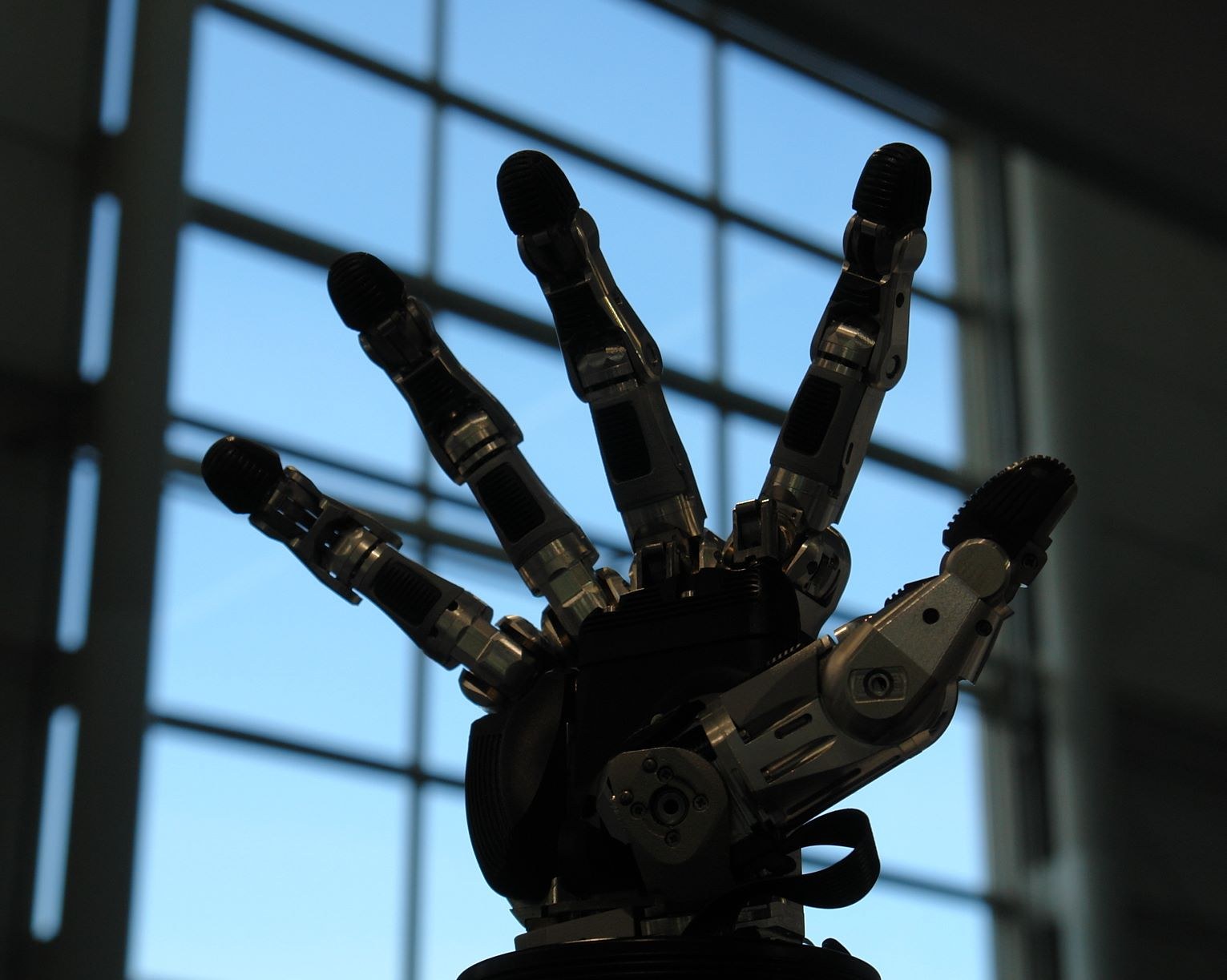
CEO Zhaopeng Chen has been more specific: 1,000 to 2,000 small humanoids next year, running NVIDIA's Jetson Thor and GR00T, with potential customers including Stanford and ETH Zurich; the machine is 1.4 metres tall and about 34 kilograms.
One to two thousand is far more honest than "millions" and far more like a business than "one prototype." It implies real lines, real materials and real delivery cycles.
The customer mix also sets the cyclical risk. Automotive and consumer electronics are its two largest industries, and both are cutting capital spending; medical and services are steadier but too small to carry the business.
Why $8.5 billion
Three factors stack up. First, the base: 20,000 industrial deployments means cash flow and a customer list, not a pure concept. Second, the narrative: humanoids are the category capital most wants to pay a premium for. Third, endorsement: SoftBank, NVIDIA and Hitachi on the same shareholder list is a stamp on both technology and market position.
One piece of context: about a week before this round, SoftBank's purchase of ABB's robotics business in China failed to win Chinese regulatory approval. The money did not leave the sector; it shifted from buying a company outright to taking a stake in one positioned in both Germany and China.
The risks are in the numbers too
Whether 37x holds depends on three things: humanoid production landing next year, unit costs falling to what customers will pay, and the industrial base not being eroded by price competition.
The first two are technical; the third is structural. Automotive and consumer electronics customers have been cutting capital spending, and price competition in arms and mobile robots is already severe. If the base slows while humanoids have not yet contributed, the valuation comes under pressure.
For peers, this valuation is a benchmark: a company with $230 million in revenue, 20,000 deployments and a humanoid line just starting is worth $8.5 billion. Later entrants will be measured against it — either by proving faster growth, or by proving their humanoid is closer.
This piece summarizes public reporting and did not independently verify vendor demos or experimental data. Not investment advice.