
Meta built a humanoid in three months with a Chinese partner
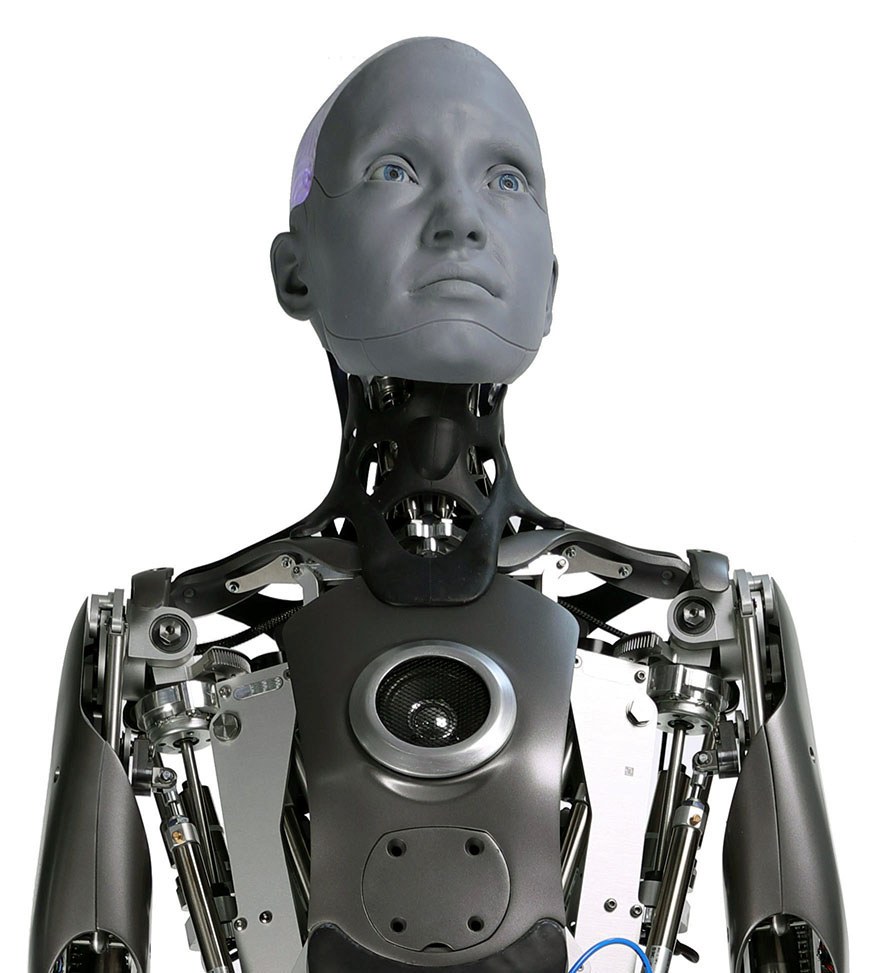
The Information reports Meta built a humanoid prototype called Max with China's Fourier in three months: 1.5 metres, 48 kilograms, Nvidia Jetson Thor, with facial expressions, voice and gesture recognition.
Meta says it is for internal research only, and a second version is already under way.
On October 31, The Information reported that Meta had built a humanoid prototype with the Chinese robotics company Fourier. The machine is called Max internally, and it went from nothing to a working prototype in three months. Reuters picked the story up the next day; a Meta spokesperson said the collaboration is for internal research and that there is no plan to sell it.
1.5 metres, 48 kilos, two speakers in the chest
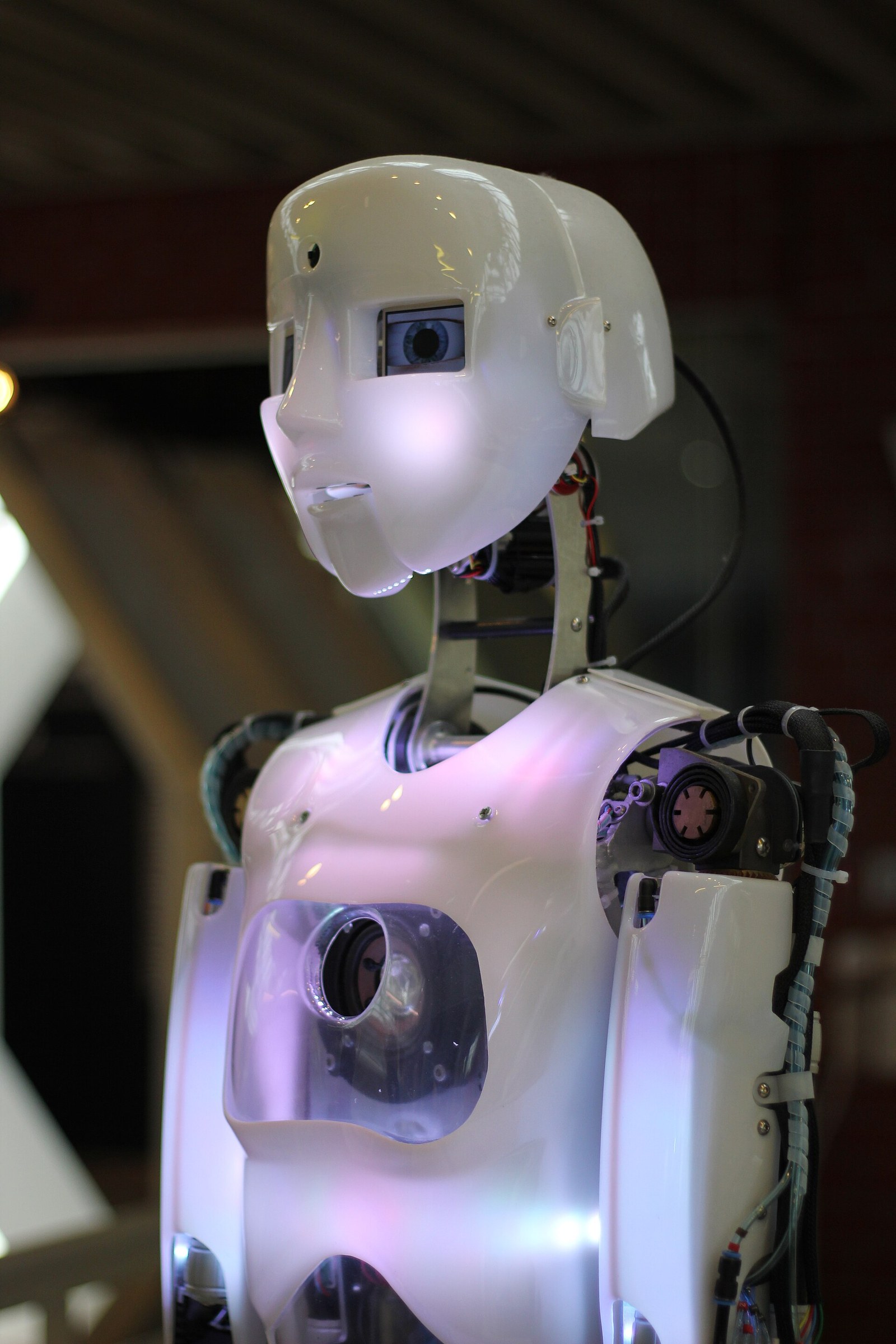
According to The Information, Max stands about 1.5 metres tall, weighs roughly 106 pounds (48 kilograms), and runs on Nvidia's Jetson Thor. It has two speakers in its chest and mimics human expressions with its eyes and mouth. Five-fingered hands pick up small bottles and toys; it recognises speech from five metres away, reads hand gestures from three, and makes eye contact.
The specifications are not aggressive. At 1.5 metres and 48 kilos it is shorter and lighter than Unitree's H2-X, and the objects it handles are bottles and toys rather than cars. But putting voice recognition, gesture reading and eye contact into one machine points somewhere specific: the home, not the production line.
Who is pushing it
Meta set up its robotics unit, Meta Robotics Studio, in early 2025, and Max is its most concrete output so far. The same report says Li-Qian Miller, Meta's vice president for robot products, spent nearly two months at Fourier's factory in Shanghai and took part in the prototype work. In late August, Meta demonstrated Max to some employees at an internal robotics event.
How Meta frames the machine internally matters more. Chief technology officer Andrew Bosworth described the humanoid as Muse getting a body — Muse being Meta's AI agent for individual users. Read alongside the "no sales plan" line, what Meta is building is not a product to ship but a body for its own conversational agent to see, hear and move with.
Two versions are already running in parallel: the report says the two companies have been working on a second-generation Max 2 since September, redesigning the torso. No launch date has been set. Three months to a prototype is not the difficult part; the difficult part is the three months after that, when the torso is redesigned and the machine still has to work.
Why a Chinese partner
Meta's strengths are models, interaction and consumer hardware, not joints, structures or the engineering of a whole machine. Fourier has spent years building rehabilitation robots and full humanoid platforms in China, with an existing body design and supply chain — which is where the three-month timeline comes from.
The arrangement is not unusual in this industry. Big platforms bring models and use cases, Chinese companies bring bodies and production lines, and that division of labour is becoming common. The difference here is that Meta has announced no product and has not put Max into any business line.
The other line: a better training ground
In the same week, Google DeepMind released Genie 4, a real-time interactive world model. The company's blog says it simulates physical scenarios such as aerodynamics and collisions, lets virtual characters move naturally and respond to their environment under real-time control, and is DeepMind's first real-time world model to generate audio natively, including ambient sound and interactive dialogue.
Put the two stories together and the picture fills in: bodies are taking shape quickly, and the training ground those bodies need is becoming more like the real world. A humanoid that does not break things at home will not get there by making better demo videos; it gets there by trying "what happens if I push this cup" enough times somewhere.
Meta has not said how Max is trained, and Fourier has not disclosed it either. What is known is the timetable: a first machine in three months, a second under redesign, and no decision on whether to sell it.
This piece summarizes public reporting and did not independently verify vendor demos or experimental data. Not investment advice.