
Six robots took a 24-hour shift in a convenience store
On November 2, AgiBot put six G2 humanoids into a convenience store for a 24-hour livestreamed shift covering greeting, coffee, hot food, restocking and cleaning, tested in a live store rather than a lab.
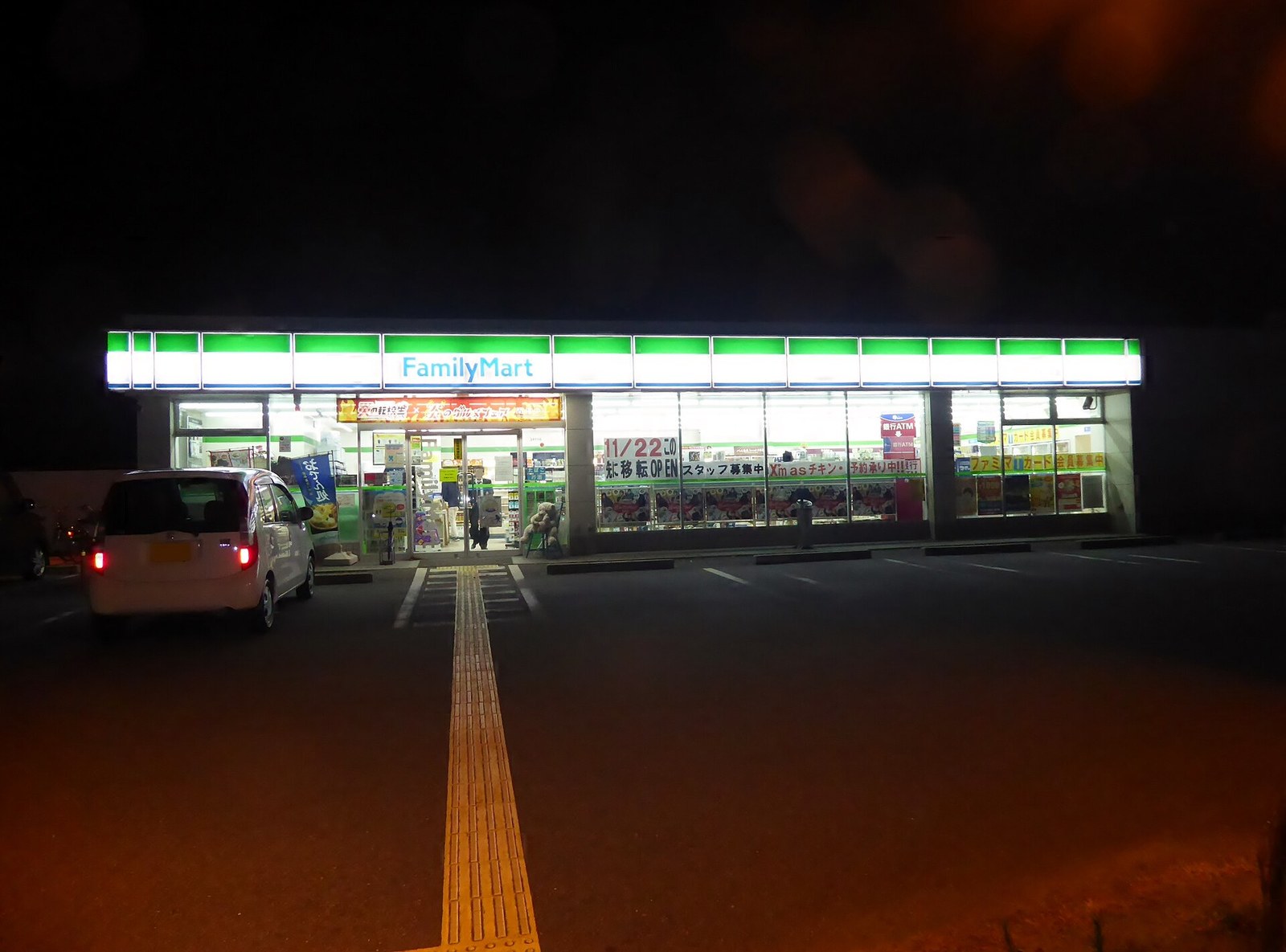
At 10 a.m. on November 2, AgiBot put six of its G2 robots into a convenience store and started a 24-hour livestream billed as "robot workers can't stop." By the company's account the six were formally on shift as staff, handling greeting, coffee making, hot food service, restocking and table cleaning for a full day and night.
Five jobs, one shift
The five tasks are not equally hard. Greeting is pure interaction; the worst outcome is an awkward sentence. Coffee making is a fixed sequence — grab a cup, place it, press the button. Hot food involves contact and temperature. Restocking means walking between shelves, recognising products and noticing gaps. Cleaning combines moving with wiping.
AgiBot has run public trials before. At its event in late October it replaced spec-sheet marketing with a work-hours metric; this livestream puts those hours in front of a camera.
What they share is that all of them happen where people are walking around. Customers do not appear in standard poses, and products do not sit in the same place every day.
Why a shop is harder than a line
A robot in a factory faces a fixed station, a fixed takt time and incoming parts that arrive the same way. A convenience store offers hundreds of SKUs, goods that get moved, and an aisle barely a metre wide. The robot has to avoid people and shelves and finish an interaction in seconds — considerably harder than performing a motion on a stage.
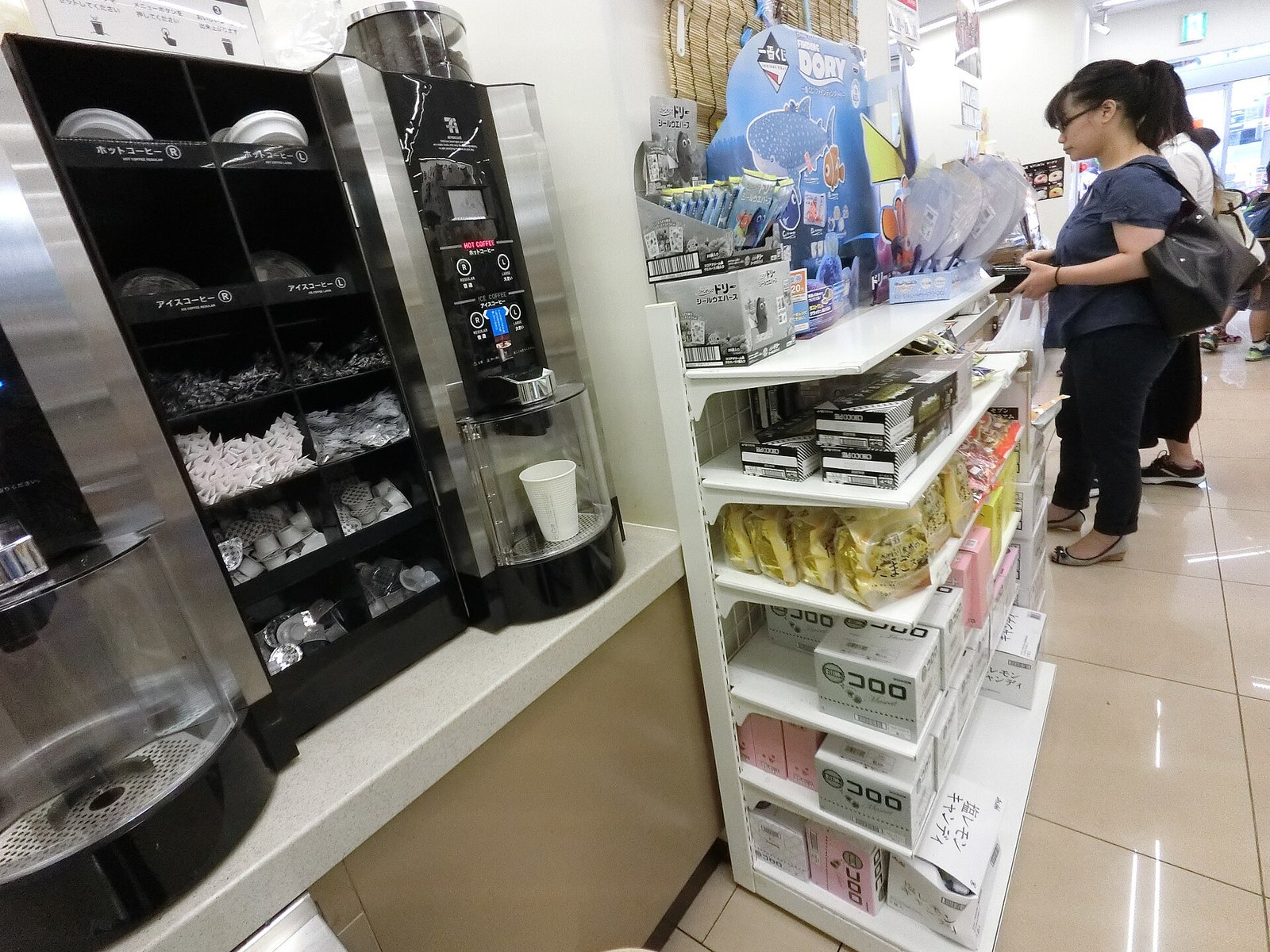
For a humanoid maker, a chain store has an advantage found nowhere else: the format is standardised. Across hundreds of branches of one brand, shelf layout, flow and equipment positions are nearly identical, so a workflow fixed once can be copied many times.
Then there is the shift itself. Night shifts are the hardest to staff in a 24-hour store: traffic is low but the work is fragmented — restocking, cleaning, brewing coffee, pulling near-expiry items. If a robot absorbs part of the night shift, the arithmetic gets easier, which is one reason convenience stores are treated as a humanoid's first realistic post.
What a livestream proves
Choosing a livestream over a cut video is itself a signal. A demo can be shot a hundred times and edited to the best take; a livestream gets one chance. Twenty-four hours uninterrupted means stalls, falls and moments needing human help are all visible.
On the technology, AgiBot says the capability rests on its GO-3 foundation model and an embodied agent called Genie Master: the first understands and decides, the second decomposes tasks and schedules them. That division of labour explains something — the robot is not doing everything end-to-end from one model, but breaking work into steps at the agent layer and handing them to different capability modules.
The questions the livestream does not answer are just as clear: how many people stand beside one robot, how long recovery takes after a fault, and how much of the store had to change for it to work — shelf heights, aisle width, the position of the coffee machine.
The same arithmetic
Whether the six robots were rented, bought, or paid for by AgiBot as a marketing exercise is not in the report. What is confirmed is that this is a live-store trial rather than a closed test site. For the store, night-shift labour costs are not only wages but the risk of closing when nobody can be hired.
After 24 hours, the numbers that matter will not appear on camera: what the store refit cost, how many orders a robot completes per hour, the fault rate, and how many night-shift hours a human no longer works. Those decide whether it enters a second store next year or goes back to the showroom. And if the workflow really is repeatable, what follows is not an order for one machine but a purchase by a chain.
This piece summarizes public reporting and did not independently verify vendor demos or experimental data. Not investment advice.