
RoboScience raised again, its third round this year
Founded in December 2024, RoboScience announced an A2 round of several hundred million yuan on November 2, led by Amber Capital, Hongruida and Shanghai Semiconductor Industry Investment, to fund its embodied model and pilots in logistics, retail and manufacturing.
On November 2, RoboScience announced an A2 round of several hundred million yuan. The company was founded only in December 2024, and by its own account this is its third round this year. Amber Capital, Hongruida Investment and Shanghai Semiconductor Industry Investment led, with Shuang Capital, 360 Strategic Investment, Guolian Tongbao, Jinding Capital and several listed-company platforms participating.
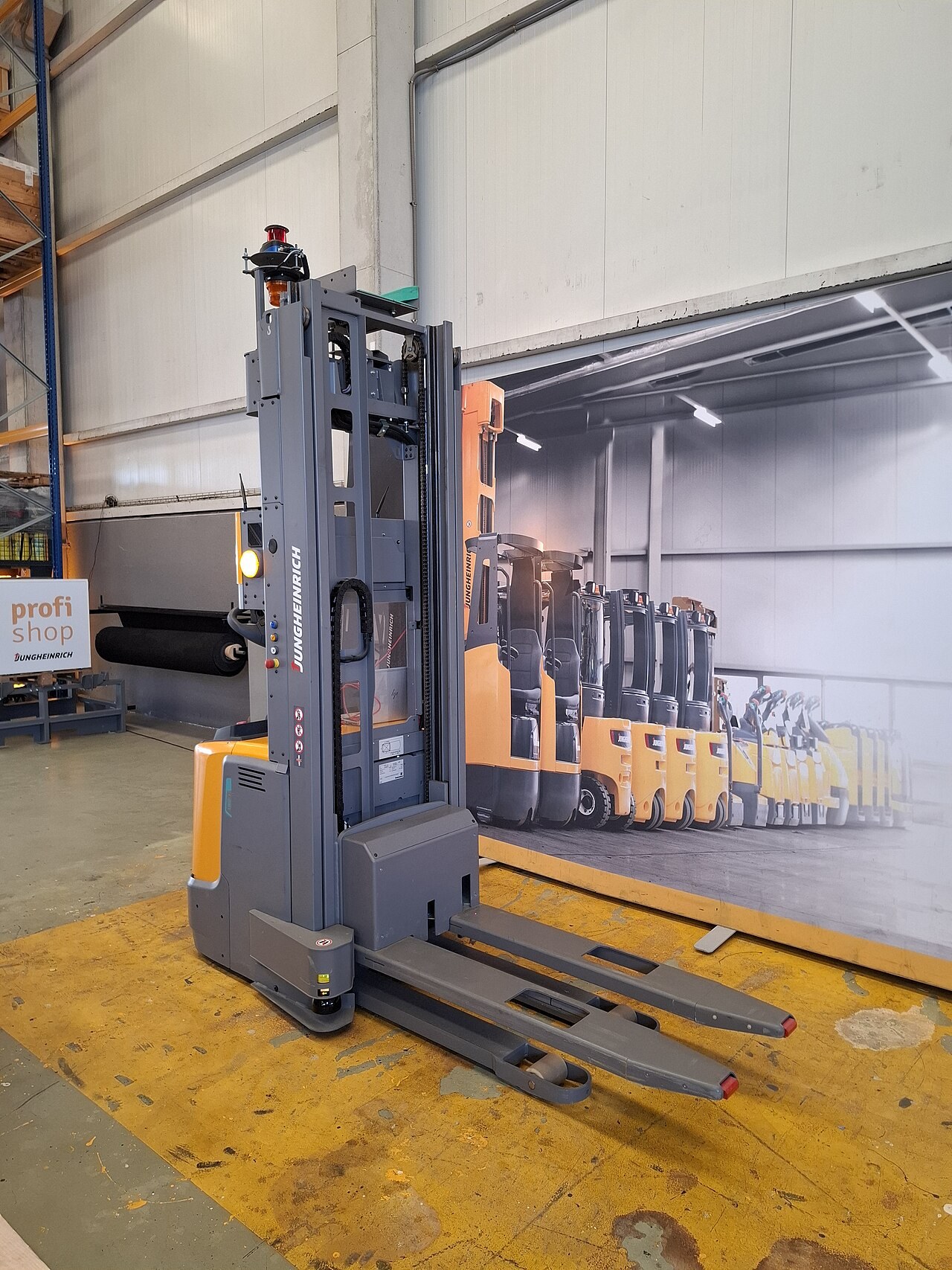
Where the money goes: three sites, one model
According to Jiemian News, the round has three uses: continued iteration of the company's large model, proof-of-concept work and scale-up in logistics, retail and manufacturing, and hiring. What the three have in common is structured environments — shelves, cartons, bins — with repetitive motions and an enormous variety of SKUs.
The investor list is worth a second look. Industry capital such as Shanghai Semiconductor Industry Investment, 360 Strategic Investment and Guolian Tongbao is not only betting on a model; it is betting that its own compute, sensors and channels connect to this line. Three rounds in one year for a company this young looks more like industrial players taking positions early.
It does not sell robots
RoboScience pitches two things: Visics, a general embodied model built for cross-embodiment manipulation, and RoboMirage, described as a differentiable multimodal physics simulation engine.

"Differentiable" is the key word in that description. Conventional simulators have fixed physics parameters, so a model that performs well in simulation still stumbles in the real world over differences in friction, deformation and lighting. Differentiable simulation makes those parameters differentiable quantities, so the model can adjust them through gradients and pull the simulation closer to reality — turning the sim-to-real gap from something engineers tune by hand into something data corrects.
Founder and CEO Tian Ye was previously head of technology for Apple's AI Platform. That background explains the path: no full robot, but a model and a simulation base, sold to whoever has a body and a site. Cross-embodiment generalisation means the same policy keeps working when the arm or the chassis changes.
Why this route gets funded now
Over the past year, the embodied AI companies getting attention split into two kinds: those building bodies, proving themselves through shipments and deployments, and those building models, raising on benchmarks and pilots. The first carries inventory, production lines and after-sales service; the second carries a harder question — whether the model works at all.
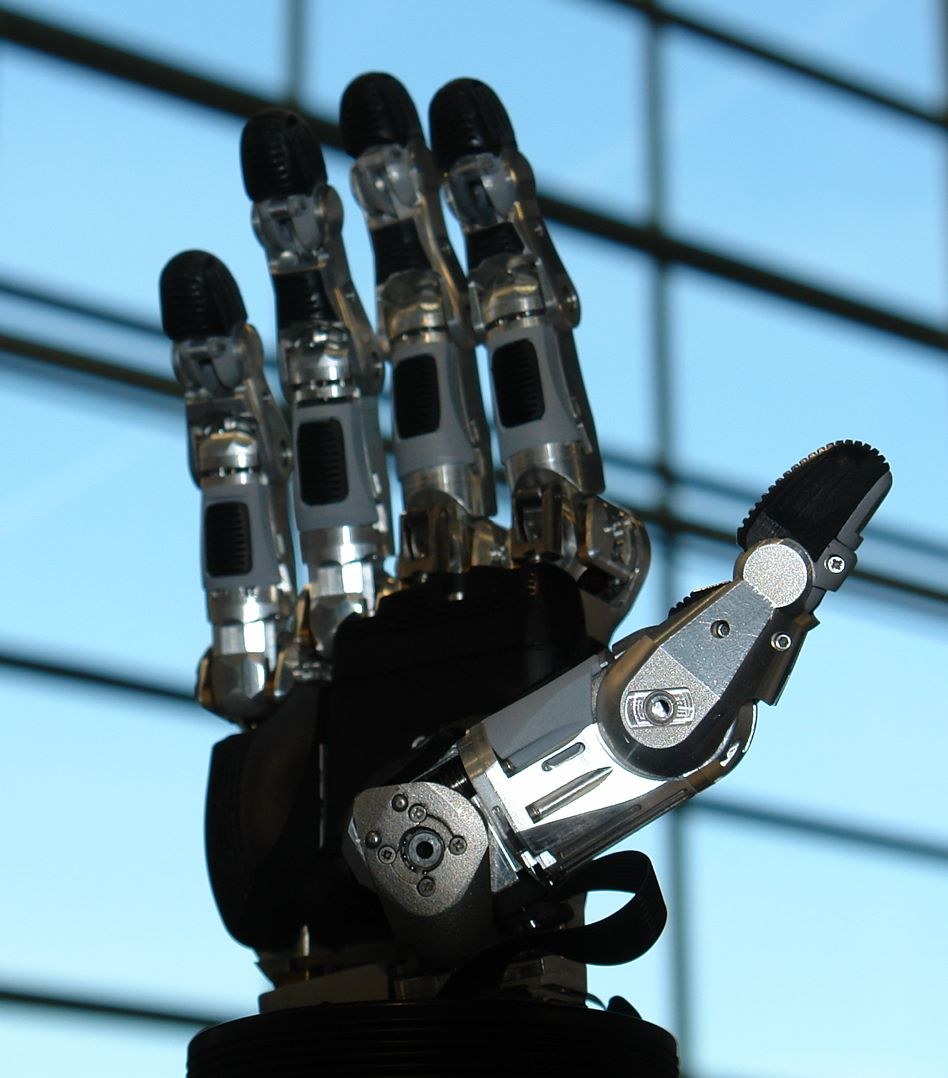
Two things are probably behind the willingness to write cheques for the model side. Bodies are now plentiful and cheap enough that a model company can get data without building machines; and the cost of the simulation route keeps falling, so the same compute buys more rounds of trial and error. RoboScience putting differentiable simulation next to the large model is a bet on the second.
What separates a proof of concept from scale is never the algorithm. Warehouse cycle times are measured in seconds; retail shelves leave almost no room for error, since one misplaced product becomes a complaint; factory lines expect months without a stop. Those are not stages of increasing difficulty but three different engineering constraints, and a model company chasing all three at once will stretch its team and its delivery capacity.
The round did not disclose a valuation, nor the size of the previous one. What is confirmed is the pace: under two years old, three rounds this year, and money explicitly earmarked for pilots in logistics, retail and manufacturing. The thing to watch is not how much more it raises, but whether one of those pilots turns into a contract billed per robot, per hour or per result.
This piece summarizes public reporting and did not independently verify vendor demos or experimental data. Not investment advice.