
A robot took a traffic-police shift at the Hangzhou Marathon
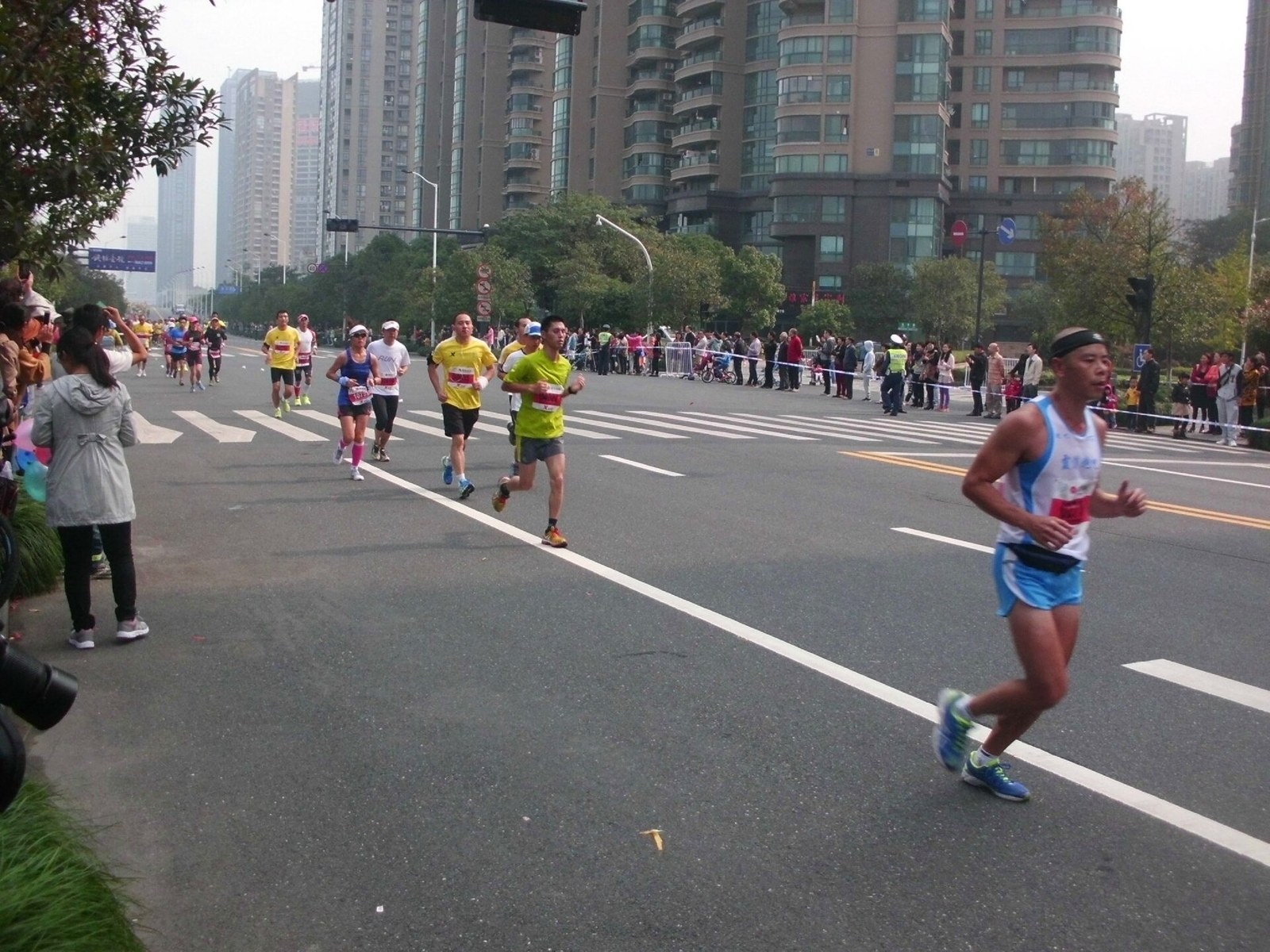
At the Hangzhou Marathon on November 1, DEEP Robotics and local police added a humanoid called Hangxing No. 2 to a patrol team: 178 cm, IP66, 275 TOPS, handling monitoring, patrols, violation warnings and inquiries.
It senses and informs; people still enforce.
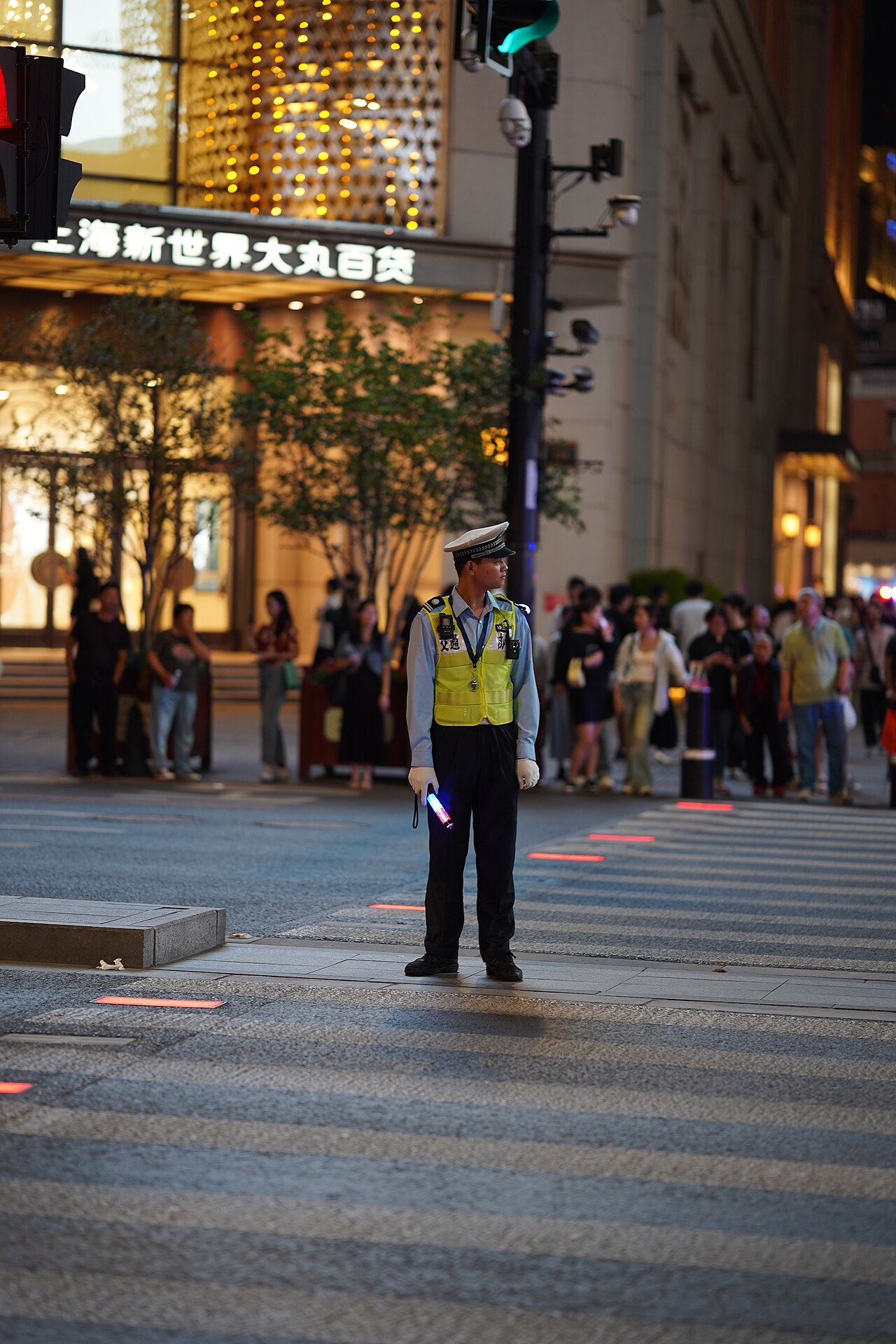
On the morning of November 1, the Hangzhou Marathon had a marshal who was not wearing a reflective vest. DEEP Robotics and local traffic police put a humanoid robot into a four-point patrol team around the Huanglong Sports Center. It is designated Hangxing No. 2.
Four jobs
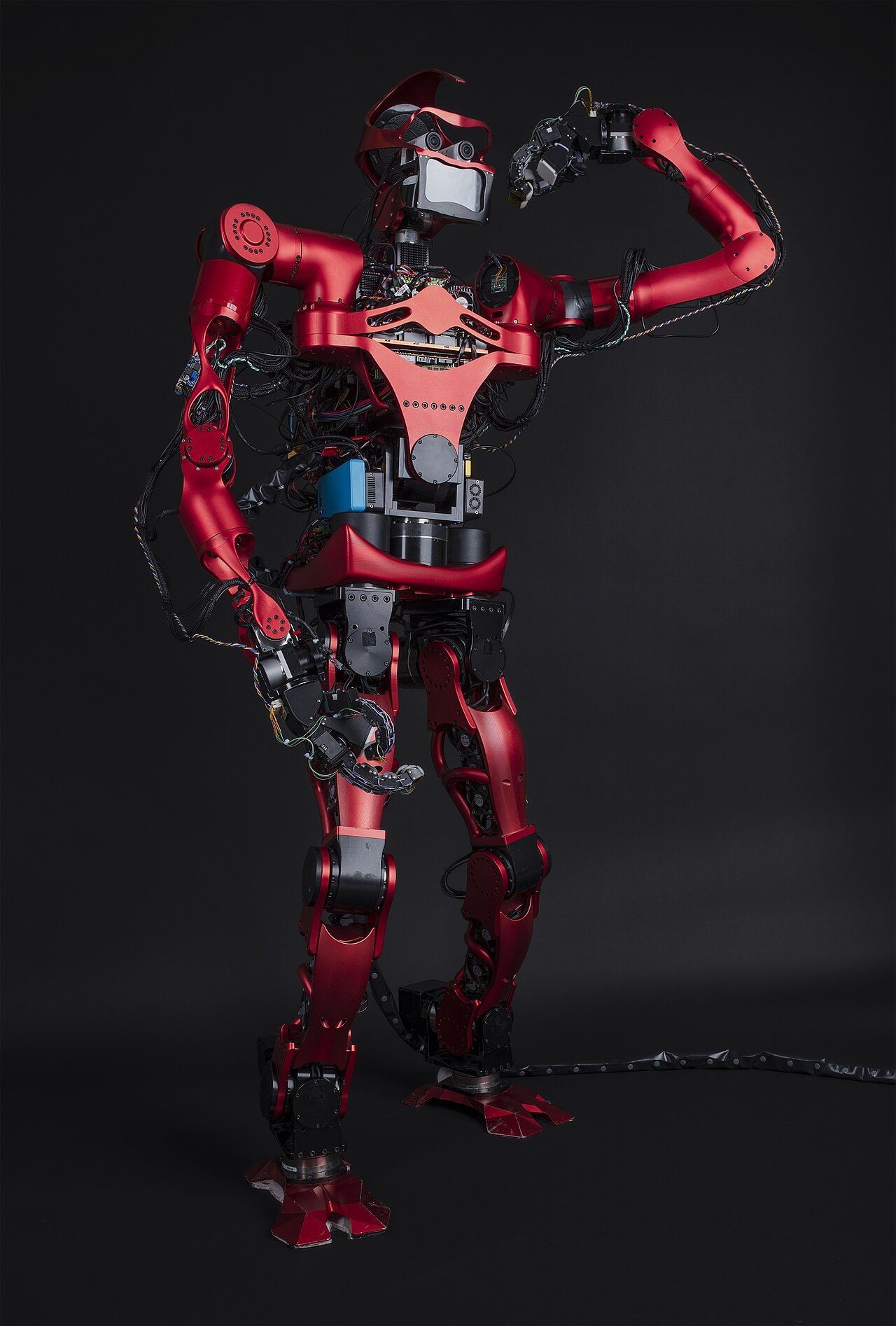
According to the Global Times, the robot handled intersection monitoring, autonomous patrols, traffic violation warnings and public inquiries during the race. It is based on DEEP Robotics' DR02 humanoid: 178 centimetres tall, IP66 rated, operable from -20°C to 55°C, with 275 TOPS of onboard compute and a sensor suite of lidar, a depth camera and a wide-angle camera.
DEEP Robotics built its name on quadruped robots, and the DR02 is its humanoid line. Taking the locomotion control and ruggedised design from a quadruped platform into a humanoid is a natural extension, and the IP66 and -20°C to 55°C ratings read as though they were written for outdoor duty.
Translated into a job description, it is a walking surveillance and information desk: it patrols preset routes, moves between guard posts, fills the blind spots fixed cameras leave, plays reminders at pedestrians and answers directions.
The report does not say whether it can act on its own — stopping a vehicle or issuing a citation, for instance. From the functions disclosed, it senses and informs; judgement and enforcement stay with people.
Why a marathon first
This year's Hangzhou Marathon drew more than 300,000 applicants, with 36,000 runners taking part. Crowds are dense and flows shift, and fixed surveillance cannot cover every blind spot — a problem organisers and police face every year.
Meng Yuan, a DEEP Robotics representative, gave a practical reason: marathon security is concentrated in time, with dense crowds and highly repetitive tasks, which makes it a good scenario for robots to take on first. The deployment, he said, is an exploration of a standardised application model for humanoids in traffic management at large marathon events.
Robots at races are not new — they have handed out medals, guided spectators and posed for photos. The difference is that those were one-off displays, while this one is written into the duty roster, with fixed patrol points, shifts and a task list.
The word that matters is "standardised." A race lasts a few days; the robot does not have to survive four seasons or match a production line's takt time. Get one workflow right and it can be copied to next year's event. For a vendor, that is the easiest scenario to validate and the easiest to repeat.
The numbers behind it
275 TOPS means little on its own and more in context: it has to run several video streams, detect objects, hold a voice conversation and still leave headroom for obstacle avoidance.
Putting a humanoid on a marathon course has a different cost structure from a factory. In a plant you rework the line, match the cycle time and protect yield; if one machine cannot cover a workstation, it makes no sense. Event security is temporary labour priced by the day, so a machine that covers even half a person's patrol load can break even as long as it needs no training and no shift changes.
Two things are still missing for that arithmetic to work. The first is endurance: a marathon runs from early morning to noon, and the robot has to work six or seven hours straight; a battery swap or a trip back to base interrupts the patrol. The second is the human-to-robot ratio: the report does not say how many officers accompany one robot, and that number decides whether it reduces work or adds it.
DEEP Robotics calls the deployment an "exploration," which is accurate. One robot patrolling one marathon proves little, but it is a first attempt at moving this kind of post from demonstration to shift roster. If a vendor team still has to be on site next year, it remains a marketing exercise rather than a job. The real test comes next year: whether the same workflow can be reused for a second and third event without the vendor sending a team along.
This piece summarizes public reporting and did not independently verify vendor demos or experimental data. Not investment advice.