
Unitree sold 70% more and earned 17% less last quarter
Unitree's third quarter brought RMB 665 million in revenue, up 69.93%, and RMB 113 million in net profit, down 17.4%, with nine-month R&D at 14.47% of revenue.
The same week, A3 reported North American robot orders up 24.8% — a tally that excludes humanoids.
Unitree has filed its first quarterly report since listing. Third-quarter revenue came in at RMB 665 million, up 69.93% year on year. Net profit attributable to shareholders was RMB 113 million, down 17.4% from a year earlier. In the same week, the Association for Advancing Automation published North American robot order data for the third quarter: 10,989 units, up 24.8%, worth $723.5 million, up 26.1%.
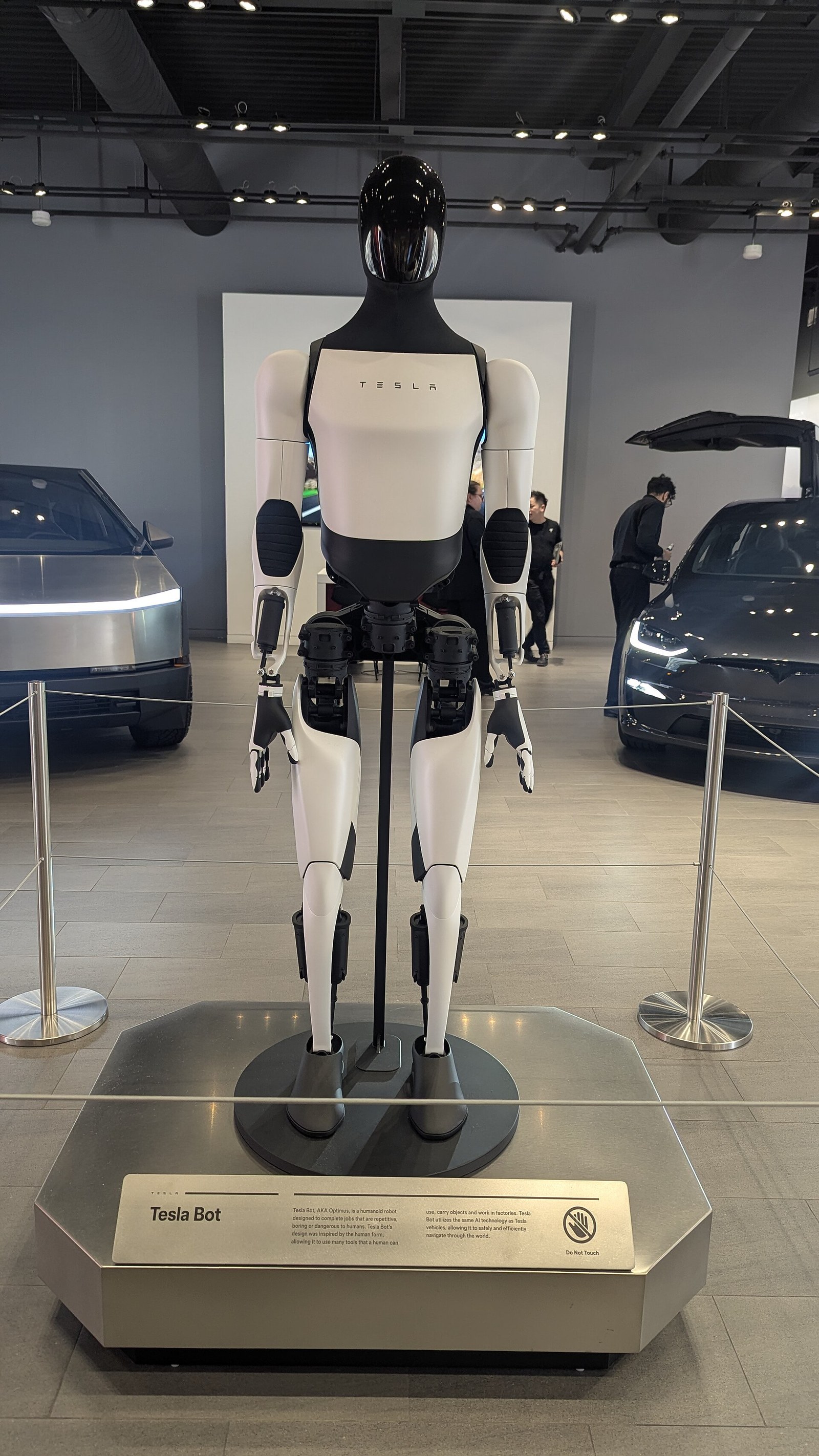
More units, less profit
Across the first nine months, Unitree reported revenue of RMB 1.817 billion, up 55.71%, and attributable net profit of RMB 387 million, up 270.54%. That 270% should not be read straight: roughly half of it comes from a large share-based payment a year earlier that depressed the base. Excluding non-recurring items, nine-month net profit was RMB 349 million, down 18.78%.
Where the money went is not ambiguous. R&D spending reached RMB 263 million in the first nine months, up 191.48% and equal to 14.47% of revenue. A company that started with quadruped and humanoid hardware put nearly a seventh of its revenue back into development, aimed at embodied AI models and applications. Unitree frames the shift as moving beyond robot hardware into embodied AI models and applications, which is what every hardware maker is trying to do: trade "selling a body" for "selling a capability," because the first is squeezed by the supply chain and only the second can carry a premium.
As a listed company, it now has to put those numbers on the table every quarter: units shipped, gross margin, R&D as a share of revenue. They used to appear once, in a prospectus. Now they are a test taken four times a year.
Read together, the numbers say something simple: shipments are rising, and R&D is eating the margin. For a company that just listed, that is a deliberate choice, and one it has to explain. Hardware businesses are valued on margin and volume; model businesses are valued on investment and progress. Telling both stories at once invites hard questions.
Orders are up — for something else
The A3 figures tell a different story. Robot orders from the semiconductor and electronics industry rose 97.6% year on year, the fastest of any segment; collaborative robot orders rose 56% and accounted for 16.7% of units shipped; automotive orders turned positive in the third quarter after falling through the first half. "What stands out in the third quarter is not simply the magnitude of the growth, but how broadly it was distributed across the market," said Alex Shikany, the association's executive vice president.
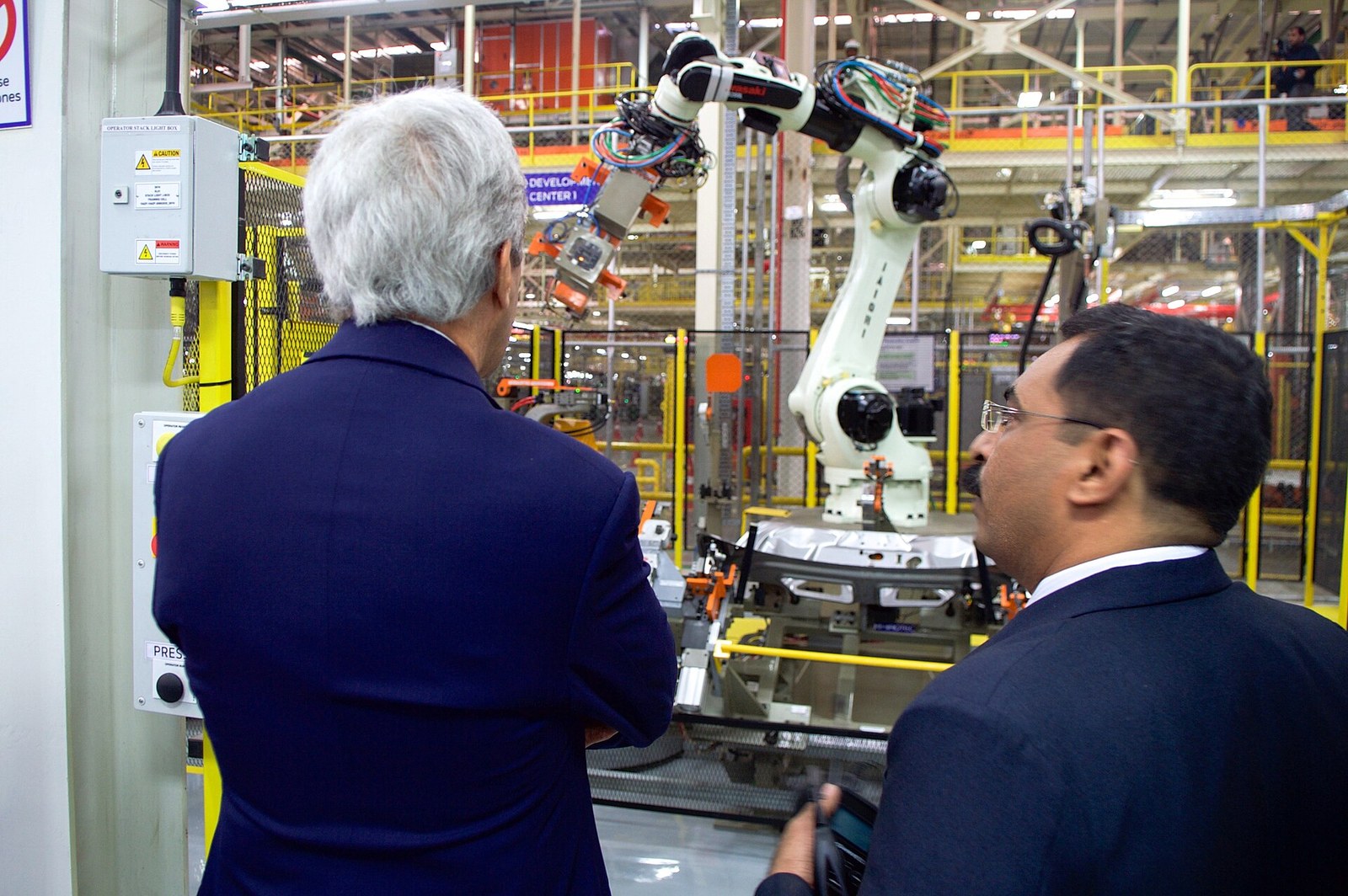
The scope matters: A3 measures industrial robots, not humanoids. The data shows manufacturers raising capital spending; it cannot be used to vouch for humanoids. The signal that does bear on them is the recovery in automotive orders — car plants are the most realistic buyers for this class of machine. Car plants draw that attention because welding, hauling and inspection stations are already occupied by robot arms. A humanoid has to prove it is no slower and no more expensive before it gets a spot.
The two tables side by side
On one side, a hardware maker is converting profit into R&D. On the other, factories are converting budgets into equipment. The distance between them is the road humanoids have not finished walking: they have to prove they are worth an industrial robot's price on a line before a second growth curve is even on the table.

Neither table fills one gap: there is still no independent tally of humanoid orders. The unit counts and values in circulation mostly come from vendors themselves, on definitions that rarely match. The first company to publish deliveries and workstation data credibly will be the one the market starts to trust.
One detail in Unitree's report is easy to miss: net profit fell while revenue grew nearly 70%. That rules out price cuts as the driver of volume. For an industry still fighting for share, that combination looks better than a plain loss — but it also means the tug of war between R&D spending and profit will only get sharper in the quarters ahead.
This piece summarizes public reporting and did not independently verify vendor demos or experimental data. Not investment advice.