
110 robots danced for five minutes with nobody at the controls
AgiBot's 110 Expedition A3 humanoids danced in unison in Jinan for over five minutes and took a Guinness record, held together by UWB positioning and fleet scheduling.
The same week, China's first six humanoid robot standards arrived, covering the decision planning and task operation a stage never uses.
At the Jinan Yellow River International Convention Center, 110 AgiBot Expedition A3 humanoids raised their arms, dropped, and flipped in unison for more than five minutes. A Guinness adjudicator counted the last move from the floor and handed over the certificate. One line in Xinhua's video caption reads: no real-time human control.
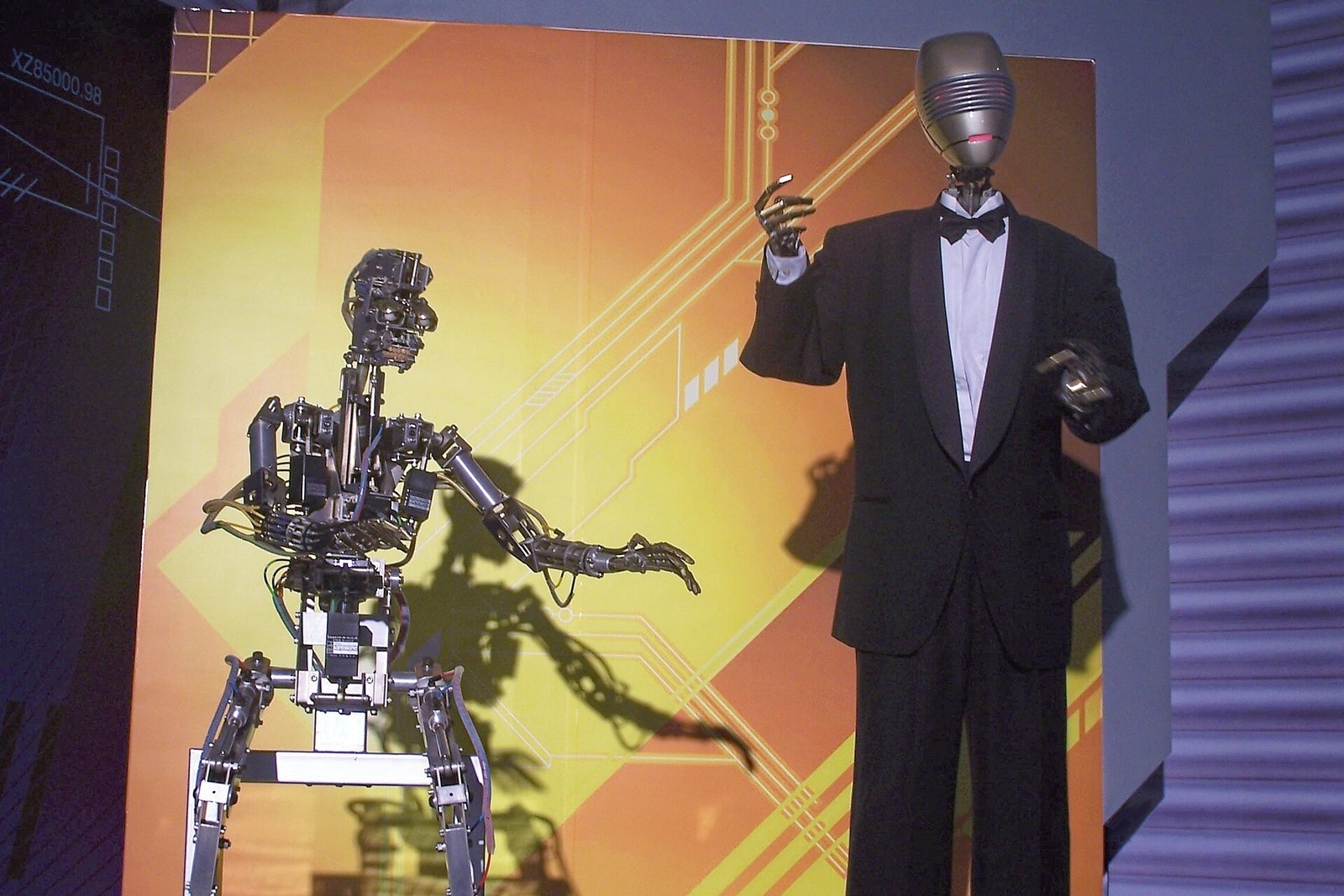
The choreography was preset: waves, a countdown numeral, floor moves, jumps, formation changes. Getting 110 machines to do the same thing in the same second took two things — UWB centimetre-level fused positioning, standard on every unit, and AgiBot's in-house LinkBots fleet scheduling system. According to the company, the pair aligns a common time base and trajectory planning, holding synchronisation to milliseconds.
On stage, positioning does the work
For a stage, that is the whole job. With more than a hundred robots weaving through a few hundred square metres, no human eye can track who goes where and how far apart they stay; positioning and scheduling have to. UWB supplies relative position at centimetre accuracy, and the scheduler puts every robot on the same clock so that motions land on the same frame. Holding the error to milliseconds is less about controlling one machine than about making a hundred share a single notion of time: radio links lag, positioning jitters, and every clock drifts.
None of this is new to the industry. Automated guided vehicles have run this way in container ports for over a decade: dozens of machines on one map, a scheduler assigning jobs, planning routes and avoiding collisions. The difference is that AGVs do not need to be uniform. They need to go to different places, pick up different boxes, and route around a blockage on their own.

Humanoids entering factories face the second kind of requirement. On one line, two machines may be tightening screws and hauling material at the same time, with people walking between them, and when something goes wrong each has to stop and reroute on its own. Copying one motion 110 times and having 110 machines each judge the next step are different capabilities: the first is synchronisation, the second is decision-making. Take a simple handover: one robot has to know whether its partner has arrived, the other has to know whether the gripper has a firm hold, and if either stalls, the other waits or reroutes.
AgiBot is working on both. At its Innovation Day on October 29 it presented results from collective experience learning, in which 96 real robots shared experience and two robots that never trained reached 97.5% success over 600 trials. That work is about getting better with practice, which is not the same problem as raising 110 arms in the same second.
The standards arrived first
In the same week, China's Standardization Administration released the country's first six recommended national standards for humanoid robots, effective April 1, 2027, drafted under the lead of the national robotics standardisation committee. One is a general technical requirements standard; the others cover environmental perception, decision planning, motion control, task operation, and simulation test platforms. Anhui's Jianghuai Laboratory, together with Hefei University of Technology, Anhui University and companies including Zeroth, JEE Technology and Qizhi Intelligence, took part in drafting all six.
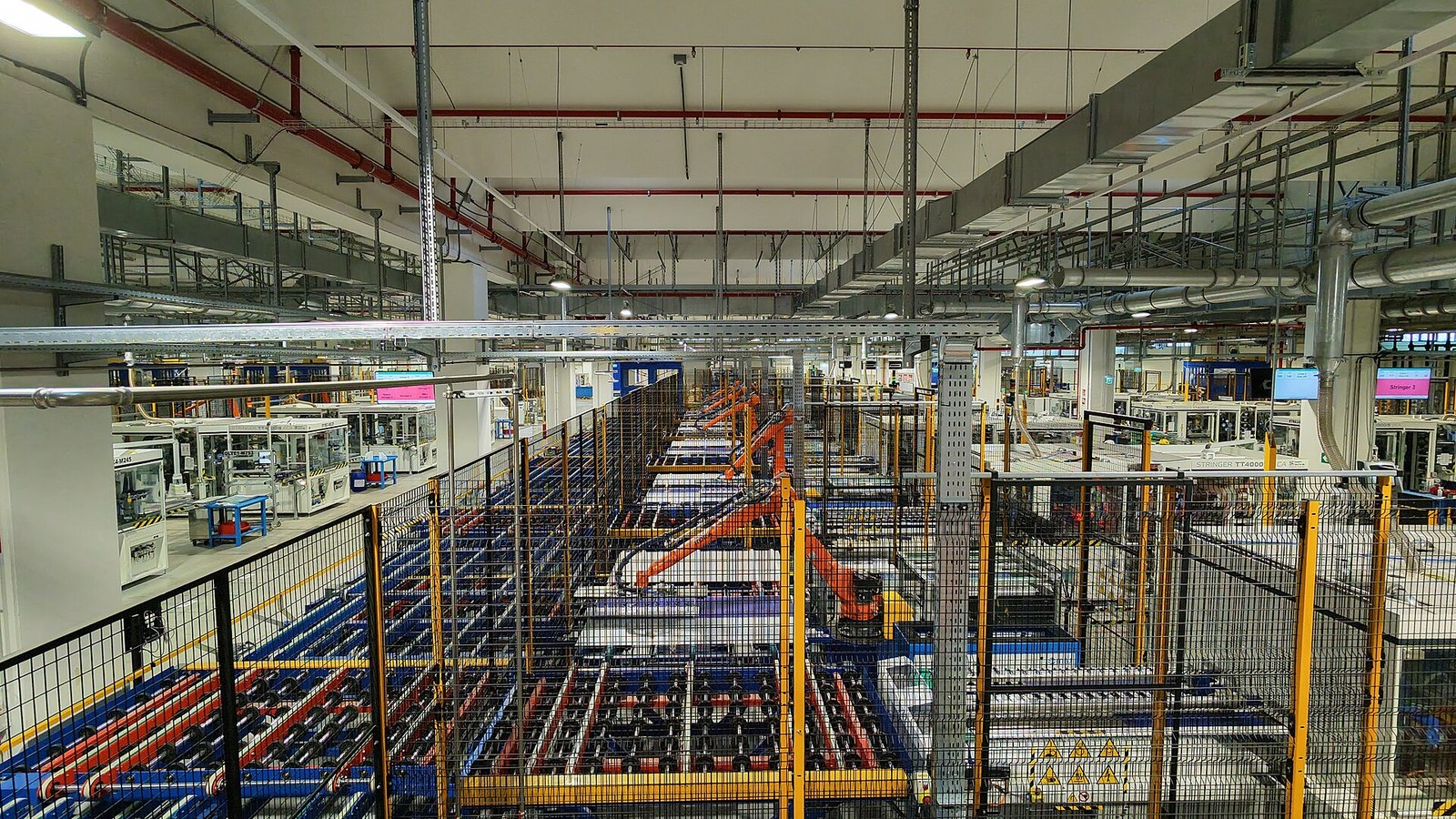
The contrast is worth noting: dancing exercises motion control and positioning, while "decision planning" and "task operation" are barely used on a stage. Standards landing on those two chapters suggests where the industry expects the next bottleneck. The word "recommended" also matters: these are voluntary, not a licence to operate. But they give buyers a shared vocabulary to write into acceptance clauses, which is what a procurement conversation has been missing.
Lay the timeline flat and the three pieces sit at different stages: hardware can already execute flawlessly in a show hall, models are learning to improve from experience, and standards are beginning to define what counts as acceptable. None of them waited for the others.
Getting 110 robots to raise an arm in the same second is a problem of aligning clocks. A shop floor needs each machine to do the right thing at a different moment. Between those two lies exactly those two chapters of the standard.
This piece summarizes public reporting and did not independently verify vendor demos or experimental data. Not investment advice.