Physical AI this week: a car-lifting humanoid, a lab platform entering an Audi plant, and a foundation model going open source
Three developments in the last week of October: Unitree's H2-X pushes the body to its limits, Agile Robots and NVIDIA move a research humanoid toward an Audi shop floor, and AgiBot's GO-3 tops leaderboards with an open-source plan.
Read together, Physical AI is gated by how fast body, site and brain line up.
Three developments from the last week of October are worth writing down: one about how far a robot body can be pushed, one about how a "humanoid sold to labs" becomes "a workstation on a factory floor," and one about model teams starting to compete in public on leaderboards and open source.
1. Unitree's H2-X: strength pushed to the limit, and an admission that the bottleneck is the model
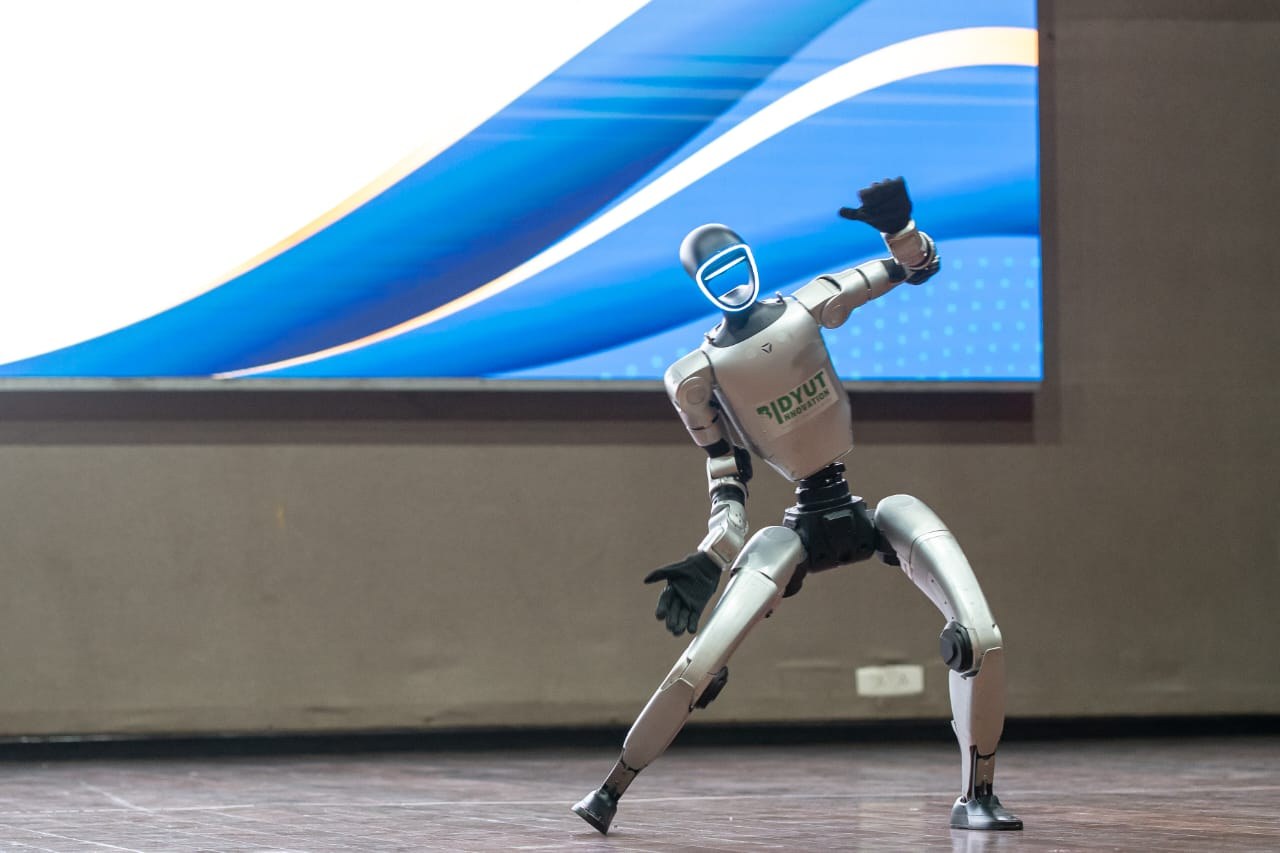
On October 21, Unitree unveiled the H2-X humanoid. According to CCTV+, the 170-centimeter robot lifts a car, throws a flying kick and absorbs a four-meter drop in its demo video, with security and rescue framed as the main use cases.
The more informative part came the same day from founder Wang Xingxing in Hangzhou. As CCTV+ recorded it, when people think of AI today they think of chatbots or multimodal models, "but these systems are built for the digital world." The core challenge, he said, is that the inputs and outputs of AI models do not line up with how robots execute tasks in the real world.
He also gave a timeline: a "ChatGPT moment" for embodied AI could arrive as early as next year, or within two to three years, and in the slowest case within about five. Once it breaks through, first-year demand could reach millions of units. He urged the industry to expand manufacturing capacity and the supporting compute and chips in advance.
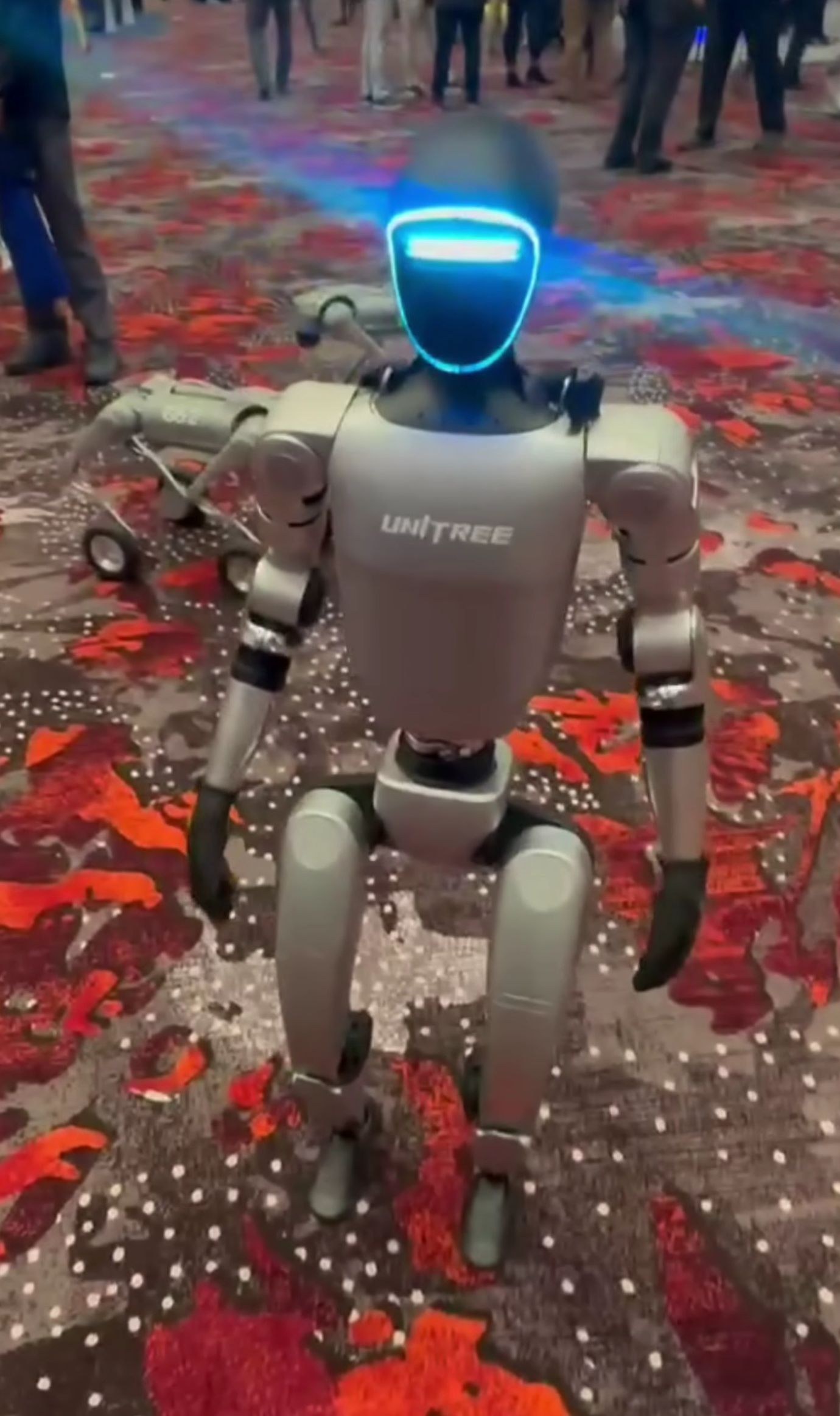
Put the two statements together and the picture is clear: the body can lift a car; the model still cannot reliably say when lifting a car is the right thing to do. Wang points the bottleneck at the interface — between what a model emits and what a motor needs, there is a translation layer with no standard answer yet.
2. Agile Robots and NVIDIA: sell the machine to labs first, then put it on an Audi line
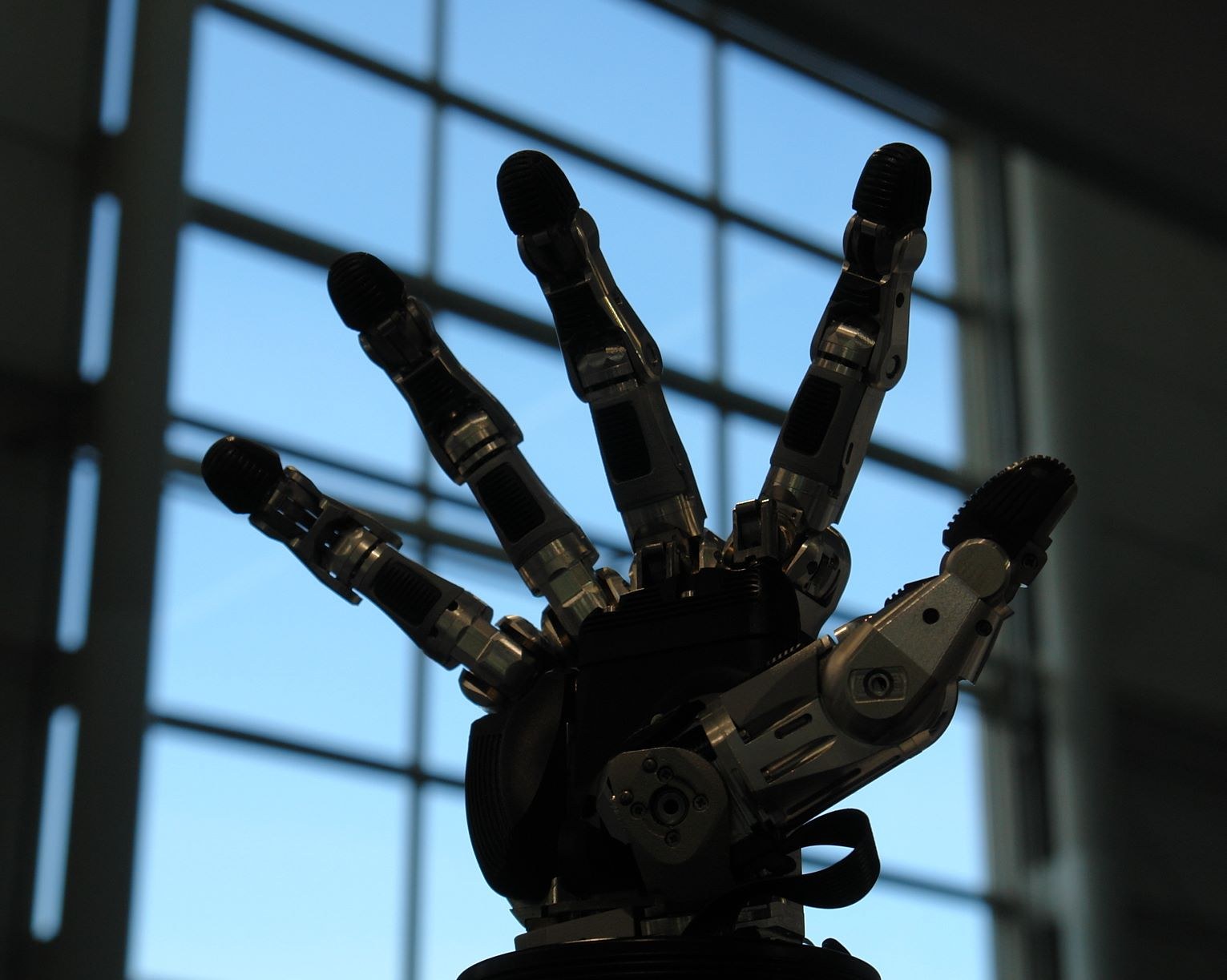
The same day, at GTC Berlin, Germany's Agile Robots and NVIDIA launched Agile ONE SN, a humanoid built for research. Per the PRNewswire release, it stands 1.4 meters, weighs 43 kilograms, has 71 degrees of freedom, carries two five-fingered tactile hands, runs on NVIDIA Jetson Thor, and ships with the open vision-language-action model GR00T 1.7 on top of NVIDIA's Isaac GR00T development platform. Work built on this research platform can be transferred to the industrial Agile ONE, scheduled to ship in early 2027.
Where it lands matters more than the spec sheet. Agile Robots, Audi, Dassault Systèmes and NVIDIA have a joint project at Audi's Ingolstadt plant: in the Audi Production Lab, a mobile humanoid picks parts from containers and arranges them in final-assembly order, a task performed roughly a million times a day. The workstation is not tried on the line first — it is validated in a Dassault DELMIA virtual twin accelerated by NVIDIA Omniverse.
The real signal here is the ordering: sell a research platform to labs so that graduate students everywhere write code on it; validate the workstation in a virtual twin; only then move it to the shop floor. NVIDIA plays three roles in that chain — development platform, compute supplier and investor (it announced plans to invest in Agile Robots two days earlier in Berlin). Alongside it, the company launched the Diana 7 and Diana 3 arm lines on the same logic: one interface, so research code can move straight into production.
3. AgiBot's GO-3: the model layer starts competing in public
On the Chinese side, the action is in the model layer. According to Shanghai Securities News (cnstock.com), AgiBot's embodied foundation model GO-3 Preview topped three leaderboards and is slated for open-sourcing by the end of the year. The report did not detail which benchmarks or what the comparison covered, and we will not draw conclusions on its behalf — but the order of "top the leaderboard, then open-source" is itself a shift from how domestic teams operated a year ago.
4. What the week has in common
First, demos are approaching physical limits, but "can it" and "should it" remain separate questions. Lifting a car, throwing a kick and surviving a drop are tests of the body and the controller; Wang pointing at the model interface shows the industry knows where the next gate is.
Second, platformization has become the standard route to deployment. Sell the machine, preload an open model, validate the workstation in a virtual twin, then migrate to an industrial model — this sequence turns the gap between research and production into part of the product.
Third, the model layer is now competing in public. Leaderboards and open source are externally checkable signals, harder than a cut demo video. But the distance between a leaderboard and a real shop floor can only be settled by time.
Three stories in one week: one about the body, one about the site, one about the brain. Physical AI will advance at the speed these three things line up.
This piece summarizes public reporting and did not independently verify vendor demos. Not investment advice.