At the CIIE, a humanoid rallied more than 40 shots with a visitor
At the CIIE, Hitch Open showed a humanoid rallying more than 40 shots with no remote control or script, built on AgiBot's Expedition A3, alongside robots taking photos and brewing tea.
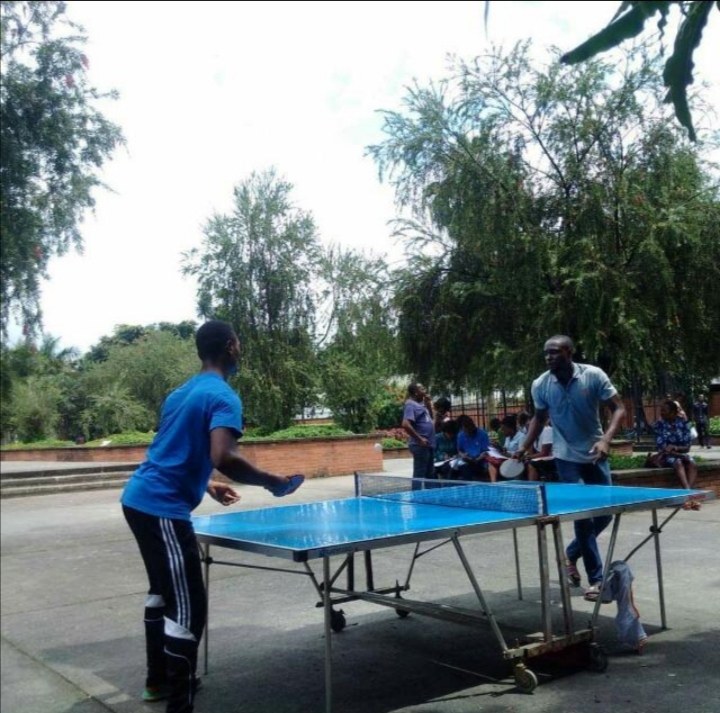
On November 5, at the CIIE technology exhibition hall, a humanoid on the Hitch Open stand rallied with a staff member, keeping a single ball in play for more than 40 shots. No remote control, no scripted sequence.
Why table tennis
Speed, spin and placement change with every shot. The robot has a fraction of a second to do four things: capture the ball's position and motion with vision; predict its trajectory and landing point; compute timing and paddle angle; and turn that into coordinated arm, torso and leg motion.
All four must close the loop in real time; nothing can be pre-programmed. A slight change in the ball's path and the whole calculation restarts. That is why table tennis is used as a general test of embodied intelligence — it exercises hand-eye coordination, whole-body control and real-time reaction at once.
By contrast, the dancing and boxing seen on stands in previous years are essentially replay: a motion can be rehearsed a hundred times and replayed precisely. Table tennis cannot, because the opponent is human and humans do not feed balls by script.
Who built it
According to the stand, Hitch Open unveiled an open platform for physical-intelligence competition at this CIIE, demonstrating autonomous rallies with no remote control, no script and no human intervention. The robot body is AgiBot's Expedition A3.
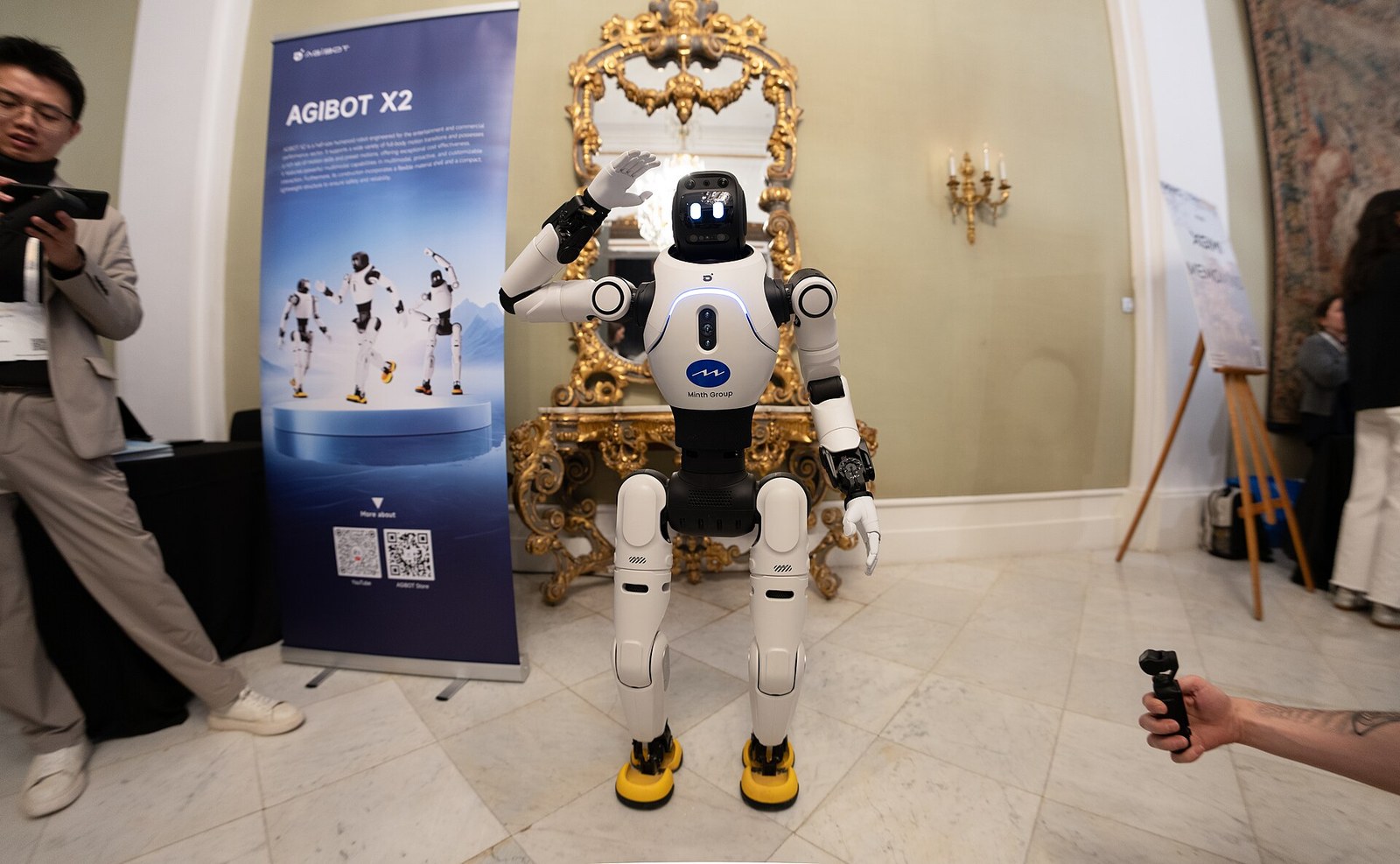
Hitch Open describes itself as a global open platform for physical intelligence; its global chair Tang Minqin introduced the setup, and the team is connected to UC Berkeley's FHL Vive. The open-source element matters more than winning a rally: the value of a competition platform is that others can run their own experiments on the same interface.
Table-tennis robots are not new. Omron's FORPHEUS has rallied with humans since 2017, but on a fixed table, under fixed rules, with a cooperative opponent. What differs here is the body: a general-purpose humanoid that can, with different software, go and carry boxes or brew tea.
Hitch Open stresses "open platform," which points at evaluation. Embodied AI lacks comparability: one team claims 40-shot rallies, another claims it can return spin, and without a shared standard neither claim can be checked. An open interface lets different teams report results under the same rules.
The control group next door
Two other robots were also working the same show. In the press centre, a Sharpa robot took Polaroids for journalists — pick up the camera, adjust the grip, aim, fire the shutter, hand over the photo, within two millimetres. In the lounge, an AgiBot robot brewed kung fu tea, from lifting the utensils and controlling the pot's posture to tilting the spout and regulating the pour.
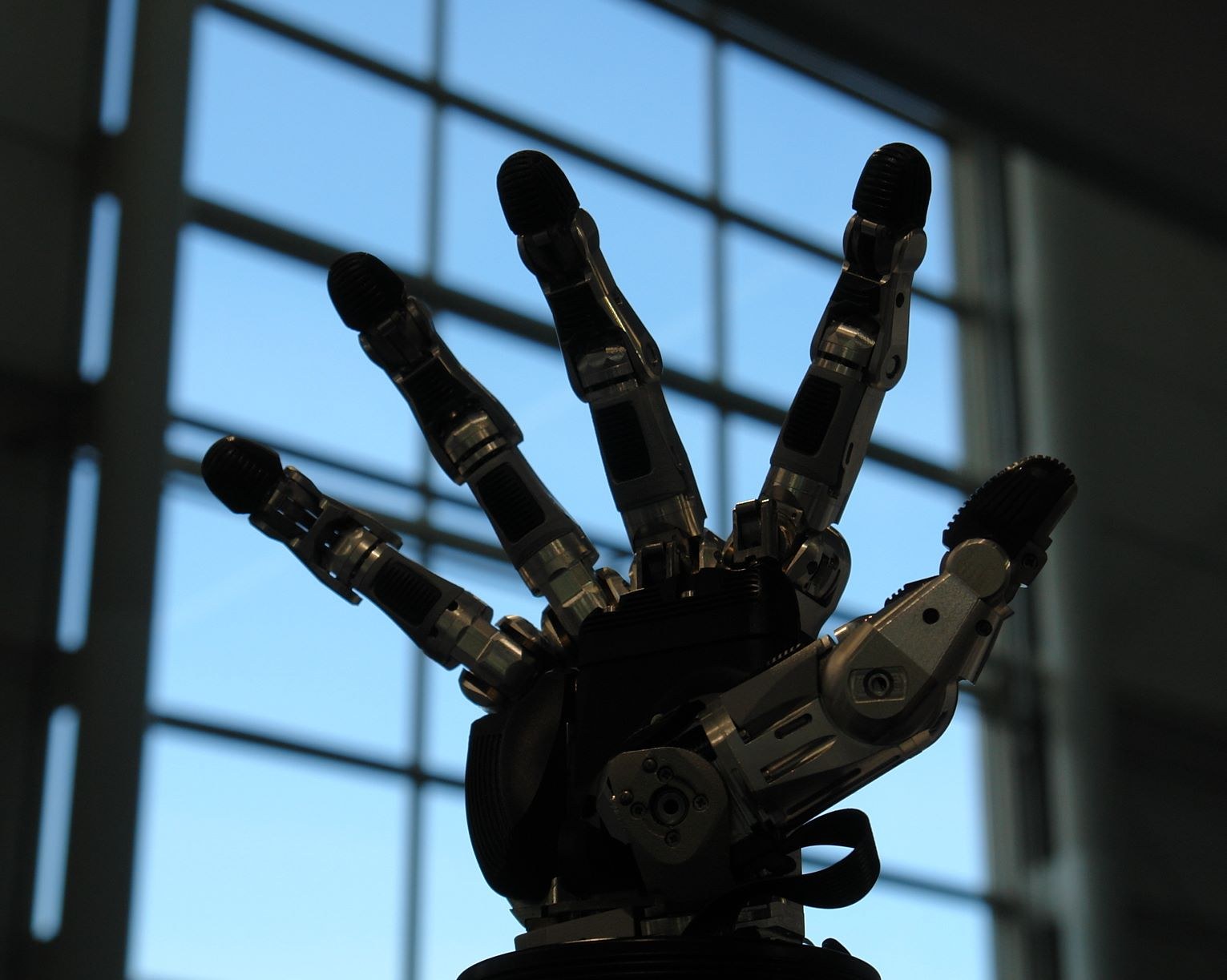
The three tasks differ in difficulty but point the same way: the robots are handling real tools, not props built for them. Cameras, teapots and paddles are designed for human hands; being able to use them directly is the precondition for entering human environments.
The way people ask about humanoids has changed this year: it used to be "what motions can it do," now it is "whose work can it take over." The second question is less exciting, but it maps onto items on a purchase order.
What is still missing
The report gives no success rate for the table-tennis robot, no record for the longest rally, and no answer to whether it can return a different opponent's shots. Those three decide whether it can play or merely plays well.
Tea and photography lack quantifiable metrics too: how long one task takes, how often it fails, whether anyone supervises. A demo can show the best single take; continuous operation cannot.
The narrative shift this year is worth noting. Previous shows were about walking, jumping and flipping; this one is about doing work — photography, tea, sorting, table tennis. The yardstick has moved from motion difficulty to task completion, which is what a shift from demonstration to delivery looks like.
This piece summarizes public reporting and did not independently verify vendor demos or experimental data. Not investment advice.