Tesla's first production humanoid targets $20,000-30,000
Ahead of the CIIE, Tesla showed a new-generation humanoid it calls its first production model, with upgraded hands and actuators and a long-term target cost of $20,000-30,000, while its robot team audits suppliers in the Yangtze Delta.
On November 4, the day before the CIIE opened in Shanghai, Tesla's China chief walked Shanghai Securities News through the booth: the Cybercab, a new-generation humanoid, the Model Y Performance, and an exploded Model Y. The most concrete line in the humanoid story was a price range — a long-term target cost of $20,000 to $30,000 per unit for the model about to enter production.
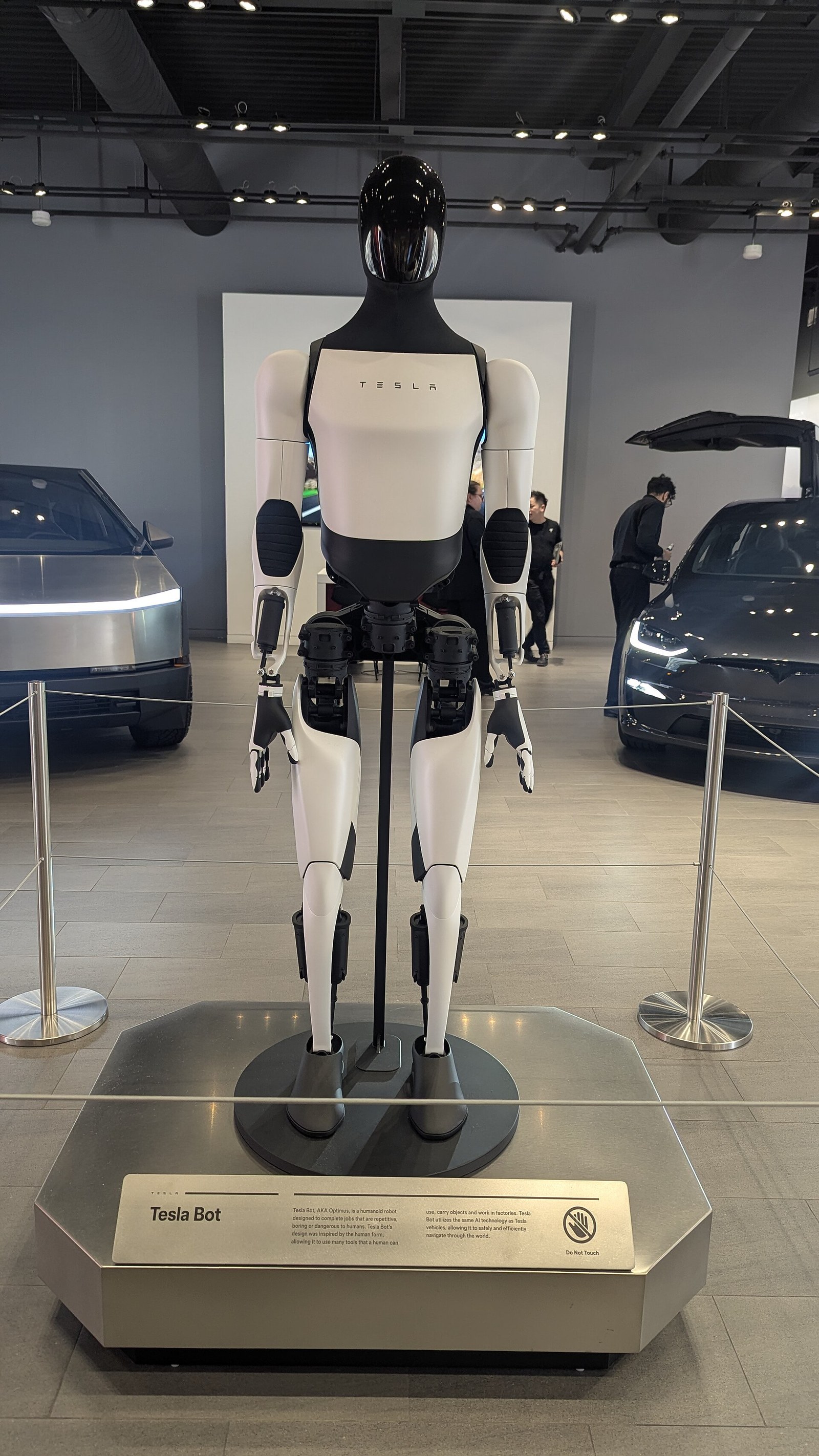
The ninth CIIE opens on November 5, with 4,142 overseas exhibitors and more than 480 products making their debut, according to reports. Tesla choosing this venue for the robot is itself a statement: its competitor is not the other robots on the floor but the cost curve of China's supply chain.
What changed on this robot
Tesla says the new generation upgrades the dexterous hand mechanism and joint actuators. On the third-quarter earnings call, Musk said the main mechanical difficulty is the hand, especially the fingers: soft enough to grasp fragile objects, durable enough to survive repeated operation, and protective of the sensors inside.
Those three requirements conflict. Soft means fine force control; durable means sturdy materials and structure; protecting sensors means leaving internal space — which adds weight, which hurts payload and battery life. The finger is the hardest part of a robot to design against several constraints at once.
Dexterous hands are the common bottleneck of this generation. Several Chinese companies already build five-fingered hands, but yield, durability and cost control remain hard: a hand that can pick up an egg in a lab may not survive thousands of cycles a day on a line.
Two supporting items: Tesla is building a "humanoid academy" that trains robots with human data, simulation and real-world practice; and it plans to use its AI5 chip to raise on-device intelligence and reduce dependence on the cloud.
What $20,000-30,000 means
That is a long-term target cost, not a price, and not the current cost. But it sets an anchor: the price of a mid-range family car for a general-purpose robot that can work.
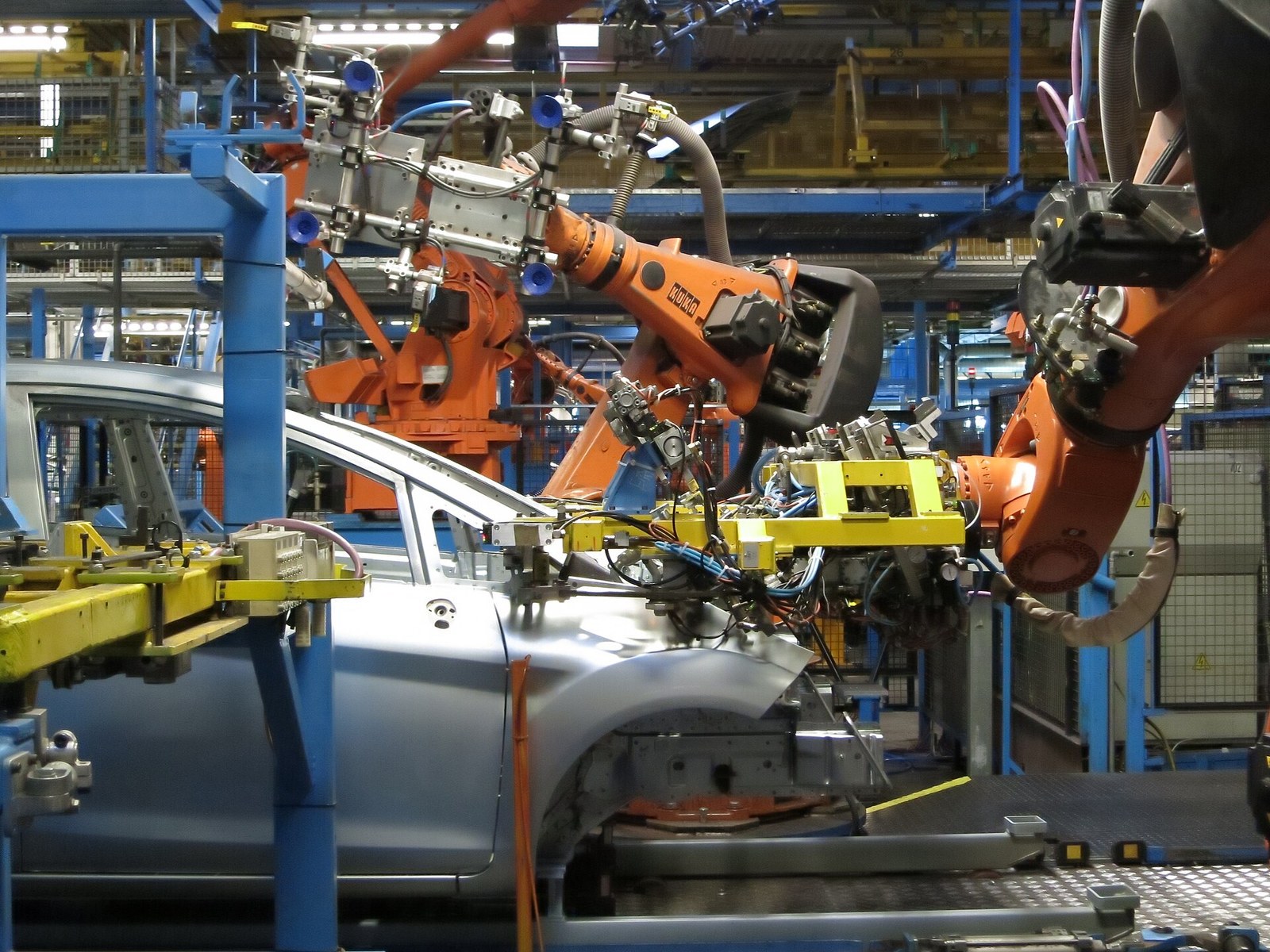
For comparison, Chinese humanoids today are quoted in the hundreds of thousands of yuan — roughly $40,000 to $100,000. Tesla's target is half that or less. Getting there is not a single technical breakthrough but the transplant of automotive manufacturing discipline: high volume, few variants, heavy automation.
That is the fundamental difference from most robot companies: they build the technology and then think about manufacturing; Tesla thinks about manufacturing first and designs backwards.
The supply chain is already moving
One easily missed detail: Tesla's robot team has reportedly audited several listed suppliers in the Yangtze River Delta, covering joint modules, actuators and precision structural parts. One supplier executive said capacity could ramp quickly if Tesla reaches volume production.
Supplier audits are standard pre-production work, usually meaning drawings are frozen, processes fixed and capacity planning has become concrete. They say more about progress than an announcement, because they correspond to orders and lead times rather than video.
What the robotaxi on the same stand shows
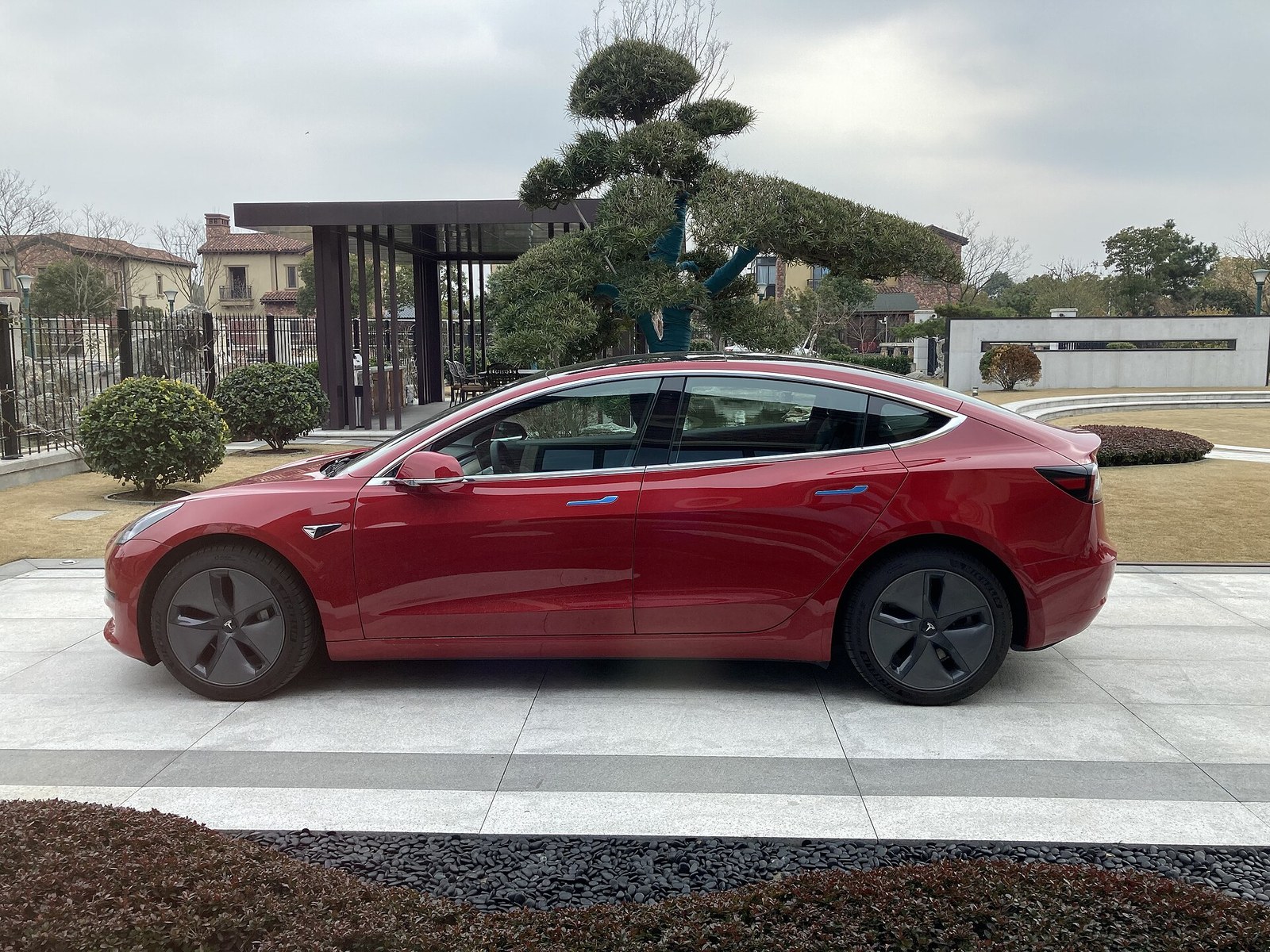
The Cybercab on display — no steering wheel, no pedals — joined the Robotaxi fleet in Austin, Texas on September 3; a month later the fleet was ten times larger. Service now covers seven cities or regions in Texas, Florida and California, six of them without a safety driver in the car, while the San Francisco Bay Area still has one. As of October 18, the fleet had driven about five million kilometres without a safety driver.
Put the two together and Tesla's approach is "production plus operations" in parallel: cars drive first and collect data; robots reuse the same perception and AI stack. That is why a $20,000-30,000 target is plausible — the company does not have to build a supply chain from zero.
For the industry, though, two things must be kept apart: a target cost is a design goal, a production date is a plan. The announcement gives the former; the latter will be verified by orders after the supplier audits, by line ramp-up and by first deliveries. None of those numbers is public yet.
This piece summarizes public reporting and did not independently verify vendor demos or experimental data. Not investment advice.