
Neolix's delivery robots take Malaysia's approval route first
Neolix signed a distribution memorandum with Malaysia's Sunway Group on November 2, putting its L4 delivery vehicles into townships and malls.
Three months of sandbox testing are nearly done, with type approval next.
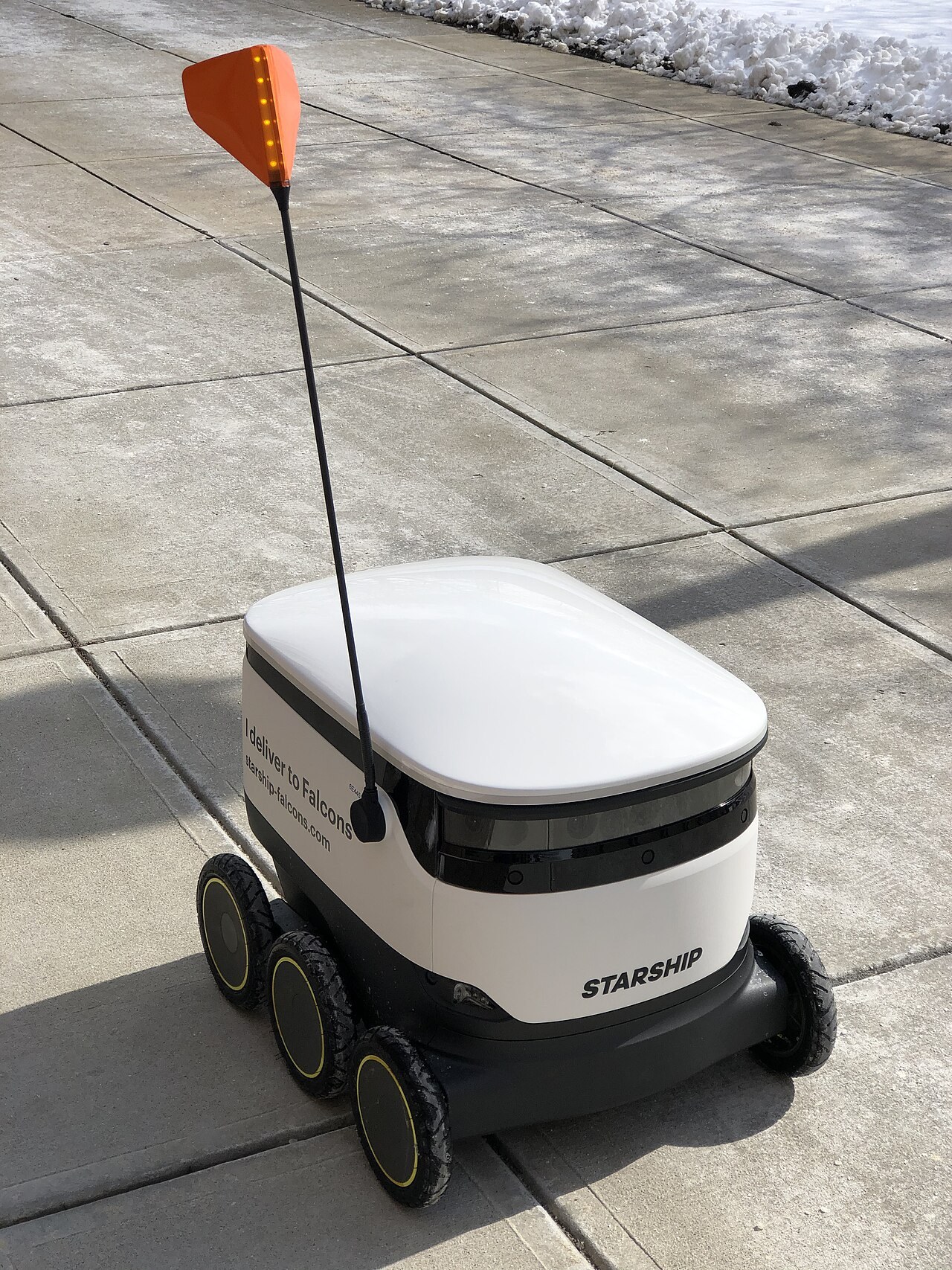
In Kuala Lumpur on November 2, at the Transport Expo Asia (TXA 2026), Neolix signed a distribution memorandum with Malaysia's Sunway Group. Under the arrangement, Neolix's L4 autonomous delivery vehicles enter the Malaysian market for last-mile delivery and for moving goods and medical supplies between facilities.
Where it goes, and who runs it
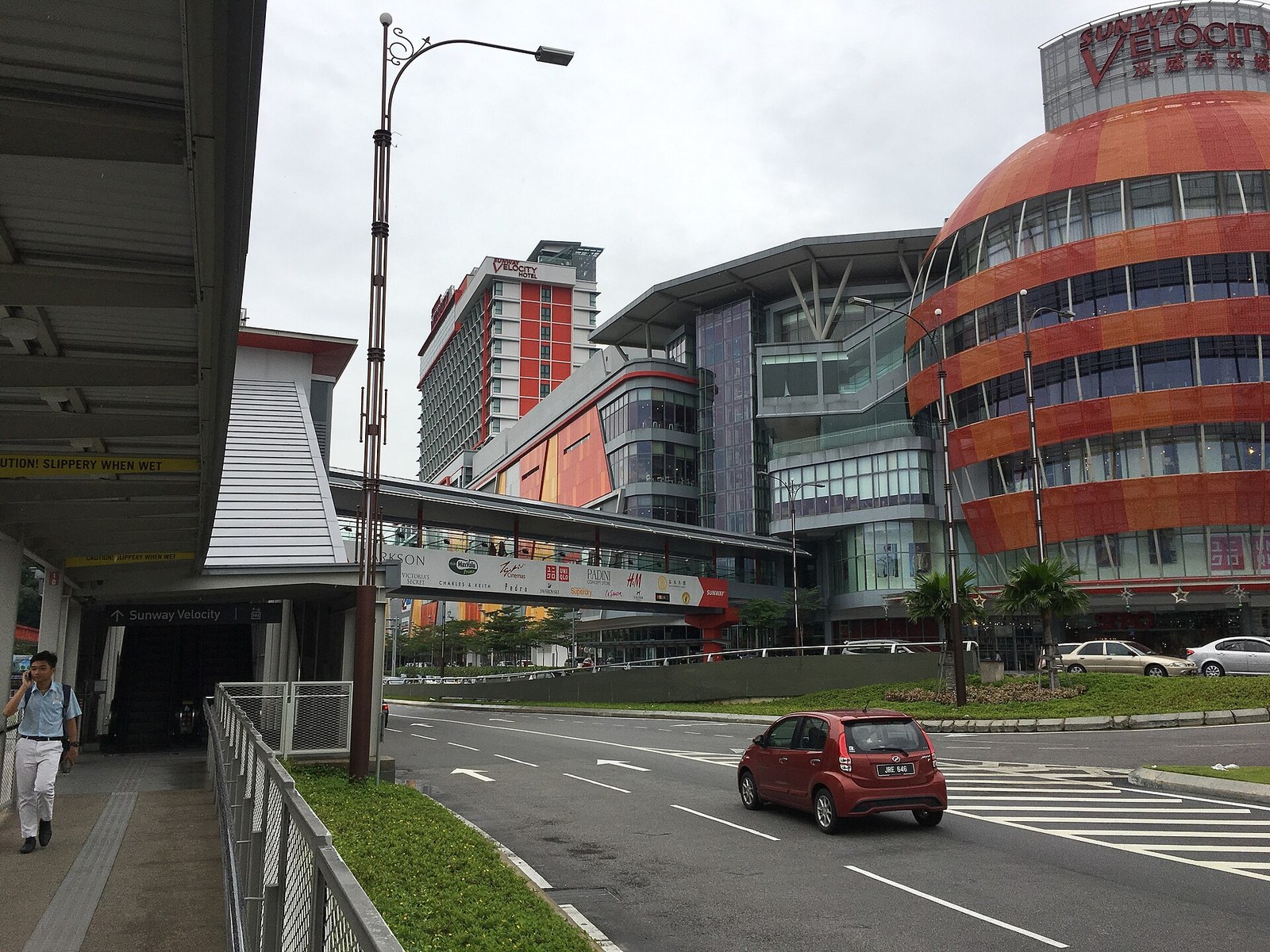
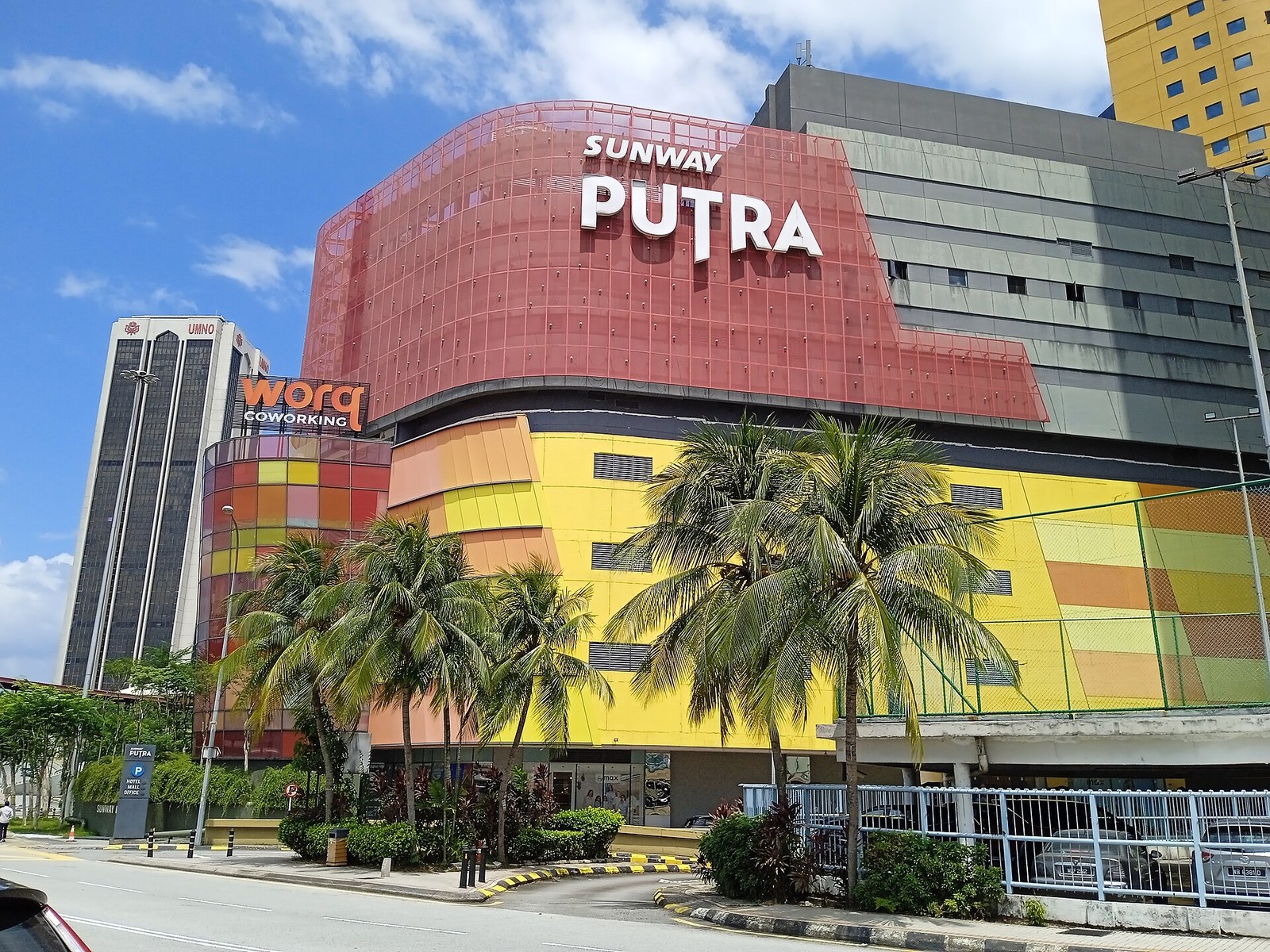
Sunway is one of Malaysia's established conglomerates, with businesses in property, construction, healthcare, retail and hospitality. The vehicles are meant to run on its own ground: short hops across integrated townships and malls, and transfers between facilities. The announcement was made by Sunway Group president Datuk Anuar Taib.
Delivery robots have run in China for years, mostly on campuses, in industrial parks and inside residential communities, while public-road scale-up has been limited by local rules. That experience travels, but rights of way and regulation have to be renegotiated country by country.
The structure matters: this is not a sale to a logistics company but to a developer with many enclosed sites. Campus roads are far simpler than public ones — speed limits, routes and right of way can all be negotiated, which is exactly the environment where delivery robots first work.
The gate is approval, not the vehicle
The most concrete information in the release is the timeline: Neolix has run sandbox testing in Malaysia for three months, its safety assessment is nearing completion, and the sandbox programme is about to enter the Vehicle Type Approval (VTA) stage.
Putting medicines and samples into delivery vehicles raises the safety bar to that of medical logistics, and regulators will scrutinise it more closely.
Three months of sandbox testing plus a type-approval process means exporting these vehicles is not a matter of loading a container. They have to run on local roads long enough, and push incident rates low enough, to earn the right to operate legally. That timeline is measured in months, not weeks.
It also explains why the announcement was hosted at an expo run by Malaysia's Ministry of Transport, with the minister present. For a regulator, a foreign fleet entering domestic roads needs a bounded test environment and an assessment that can be written into rules.
Why Malaysia
The release calls Malaysia one of Neolix's most advanced markets in Southeast Asia. For delivery robots, the appeal is several conditions holding at once: enough urban density, rising last-mile labour costs, and a regulator willing to open a sandbox.
Some of the Chinese experience transfers: route planning, fleet scheduling, remote takeover, exception handling — operating capabilities Neolix already has. What does not transfer is regulation, road conditions and user habits, such as how a local driver reacts to a metre-high vehicle stopping at the kerb.
What the distribution model admits
Choosing distribution over a direct operation is an admission that the heavy local work belongs to a partner: registration, insurance, maintenance, customer relationships. Neolix supplies vehicles and systems; Sunway supplies sites, channels and government relationships.
Distribution has a practical benefit too: after-sales sits with the local partner, so spare parts and repairs do not cross borders, and fault response times are measured in driving hours rather than shipping schedules.
That division of labour is increasingly common in robotics. Products can be standardised; deployment cannot. Every country means another round of approvals and another search for people who can fix the machine. It is why overseas revenue at many robot companies always seems to lag the announcements.
Approval is not scale either. Once type approval lands, fleet size, cost per delivery and incident rates still have to be answered — those decide whether the model copies to a second city.
After three months of sandbox testing, the things to watch are not the number of units signed but when type approval is granted, and which roads the first batch actually runs on.
This piece summarizes public reporting and did not independently verify vendor demos or experimental data. Not investment advice.