
Xiaomi's humanoid worked a factory shift, then moved into an apartment
Lei Jun said Xiaomi's humanoid completed its first eight-hour continuous shift at a car-factory station on November 3, while its embodied model began apartment trials running chains of 50-plus tasks across three rooms.
On the afternoon of November 3, Lei Jun posted two updates: Xiaomi's humanoid robot had completed its first eight-hour continuous shift at a dashboard side-panel sorting station in a car factory, covering a full day's production demand at that station; separately, Xiaomi's embodied foundation model began a pilot in the company's youth apartments, running task chains of more than 30 minutes across three rooms and over 50 tasks.
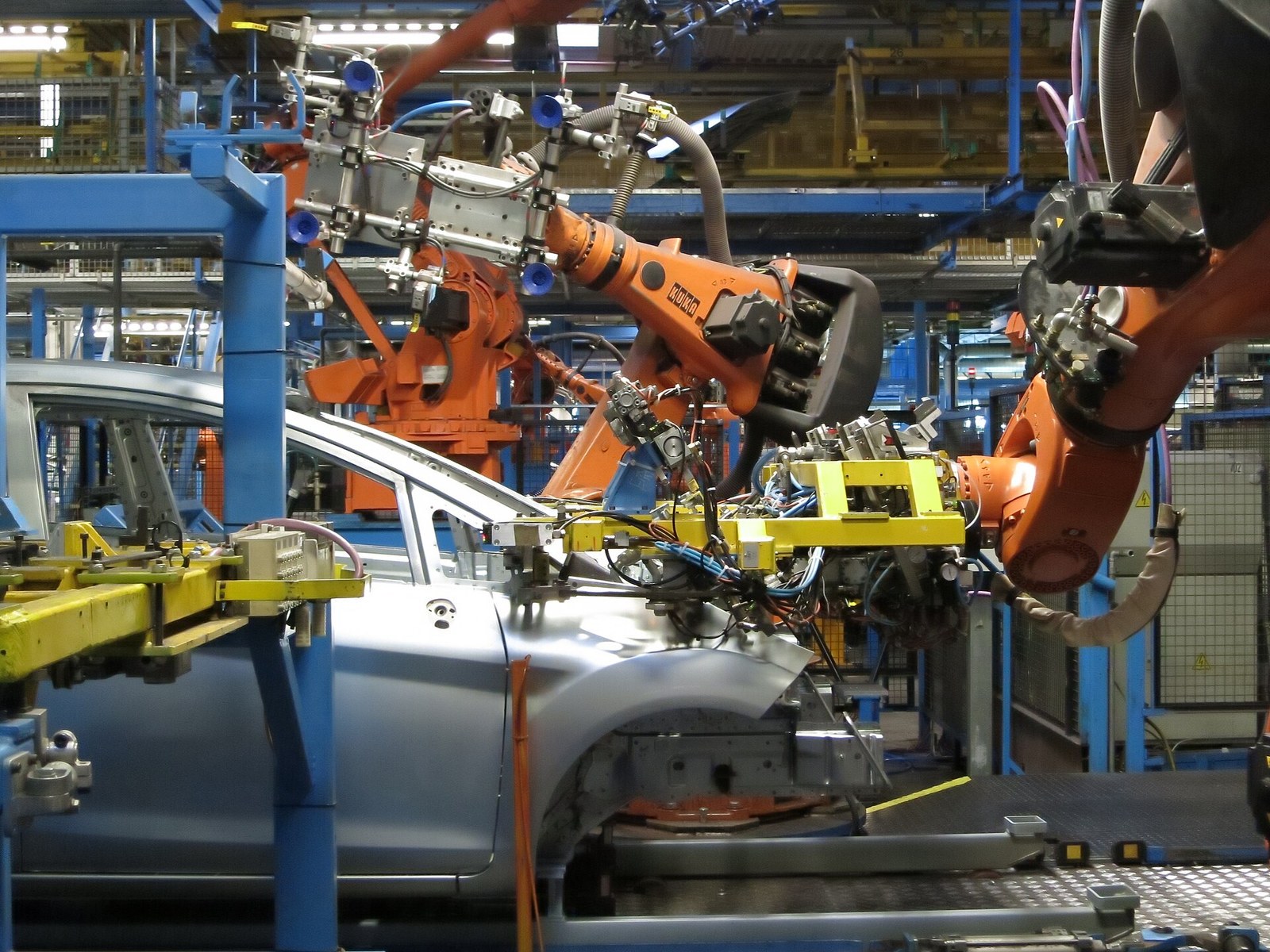
Eight hours means one shift
That number is more specific than "stable operation." Factories run in shifts: if a robot can only work two hours before someone has to swap it out, it cannot replace a station. Making it through eight means the conversation about taking over a position becomes real.
Two phrases in the announcement are worth unpacking. "Autonomous correction" matters because parts-sorting fails in predictable ways — misaligned, wrong part, jammed — and the robot has to notice and re-grip by itself. "System-level coordination with the line" means it is not an island: it has to keep pace with the MES, the AGVs and the line-side store.
Thirty minutes, three rooms, fifty tasks
The apartment update is harder to summarise. Its metric is not cycle time but continuity: from living room to bedroom to kitchen, opening doors, moving around furniture, finding objects, picking them up, putting them back. Any link in a 50-task chain that fails breaks the whole chain.

The industry calls these long-horizon task chains. A lab demo is usually "pick it up and place it there," over in three seconds. A home task is "go to the bedroom and bring back the charger," which contains a dozen sub-tasks whose individual success rates have to be high enough that the product does not collapse.
The arithmetic is unforgiving: 50 sub-tasks at 99% each gives a chain that works about 60% of the time. That is why the home is harder than the factory — a factory suppresses uncertainty with fixed stations, while at home the position of every object is a variable.
Two settings, two sets of numbers
Factories care about cycle time, yield and downtime. Can the robot complete a sort in 30 seconds, what is daily throughput, how fast does it recover from a fault — all of it converts directly into money.
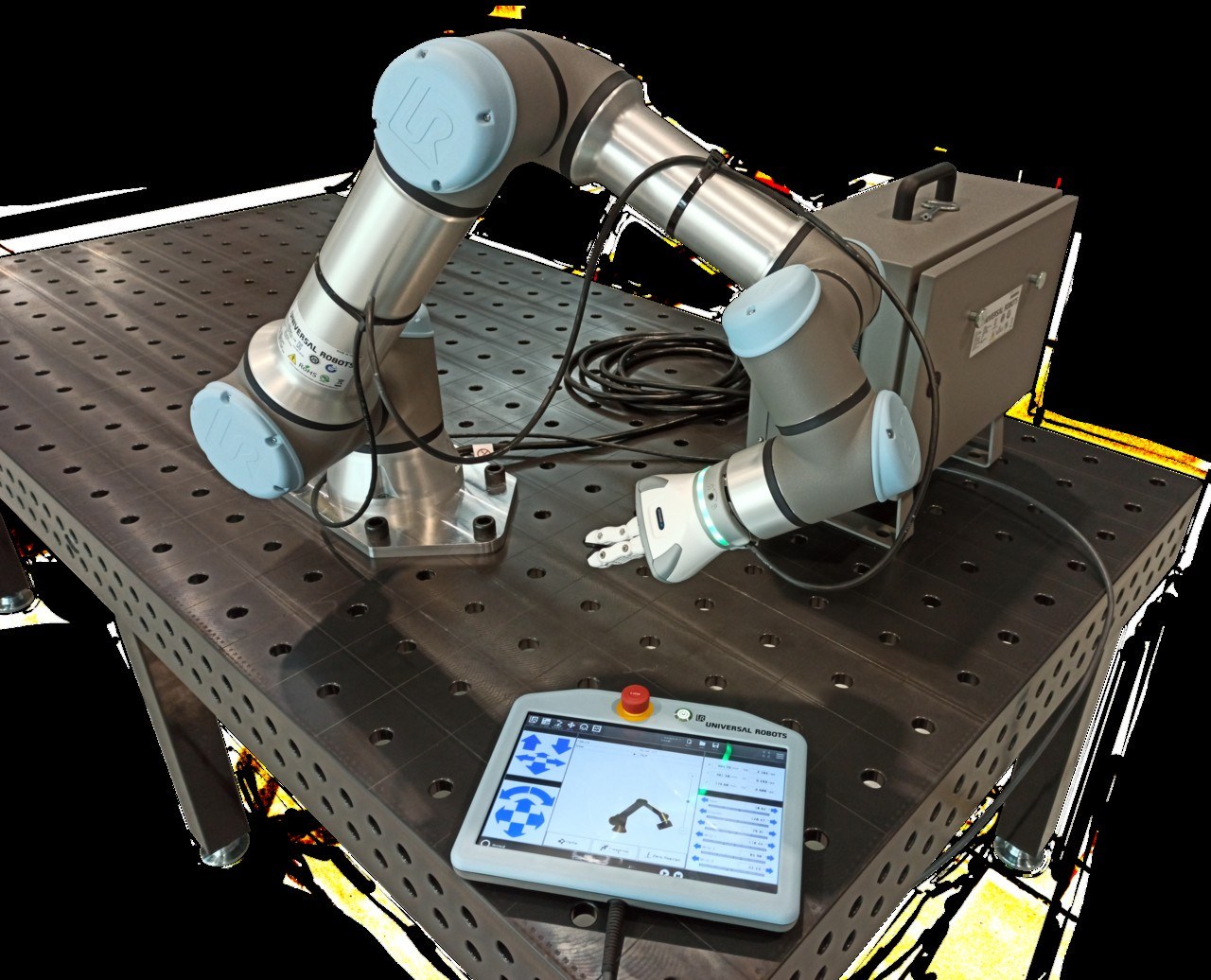
Homes care about long-horizon success rate, how often a human has to intervene, and whether a mistake causes harm. Kitchens contain hot water, knives and glass; the same error that means rework in a plant means an accident at home.
Pushing both lines at once suggests Xiaomi does not want to pick only one market. But the factory line has the firmer timeline: eight hours covering a full day's production is something a shop-floor manager can sign off on, while the apartment work is still a pilot with no scale or schedule attached.
What the announcement left out
Three things were not disclosed: how many times a human intervened during those eight hours, the cycle time per part, and how much the line had to change to accommodate the robot — station height, rack positions, safety fencing. Retrofitting often costs more than the robot.
More importantly, this was a "challenge," not a delivery. A challenge can pick the most suitable station and the most regular incoming parts; delivery has to hold up across edge cases. The distance between the two is usually measured in quarters.
Xiaomi is not the only company that has changed its vocabulary. Over the past six months, humanoid makers have almost all reframed their updates as "ran continuously for X hours at a given station" — a sentence customers understand more easily than "can perform 100 motions," and one that is easier to sign off.
There is also a practical precondition: Xiaomi builds cars itself, so the line is in-house and retrofitting a pilot station costs far less than it would at an external customer. That is why many robot companies' first "on-the-job" cases happen inside their own or affiliated factories.
One thing is clear, though: for the past year humanoid companies competed on how smooth the motions looked in a video. Now they are competing on who can finish a full shift and who can string 50 tasks together in an apartment. The yardstick has moved from "looks like it works" to "gets through the work" — which is progress.
This piece summarizes public reporting and did not independently verify vendor demos or experimental data. Not investment advice.