
Schaeffler cuts 3,460 jobs with €400M in humanoid orders
Schaeffler will cut 3,460 jobs in Europe and close five sites while naming humanoid robotics and defence as growth areas.
Its humanoid incoming orders stood at about €400 million on October 20 — orders, not revenue.
On November 3, German automotive supplier Schaeffler announced it will cut a net 3,460 jobs in Europe and close five sites. In the same release, humanoid robotics and defence were named as growth areas. Putting those two facts side by side is the company's plainest statement about where it stands.
Where the cuts land
About 2,660 of the cuts fall in Germany, roughly 9% of Schaeffler's core German workforce of 31,957, to be completed by 2028. Counting earlier programmes and the 1,800 partial-retirement agreements signed in early October, the share rises to about 18%.
The closure list points at combustion-engine work: the Dortmund plant with 430 employees and the Morbach site with 160, both in the Powertrain & Chassis division; operations in Berlin ending, where about 270 work; the Schwalbach site closing, with most of its roughly 385 employees transferring to Frankfurt and about 190 positions cut; and a fifth site in Herstal, Belgium, with about 15 people. Capacity in France, Slovakia and several other German locations will also be reduced.
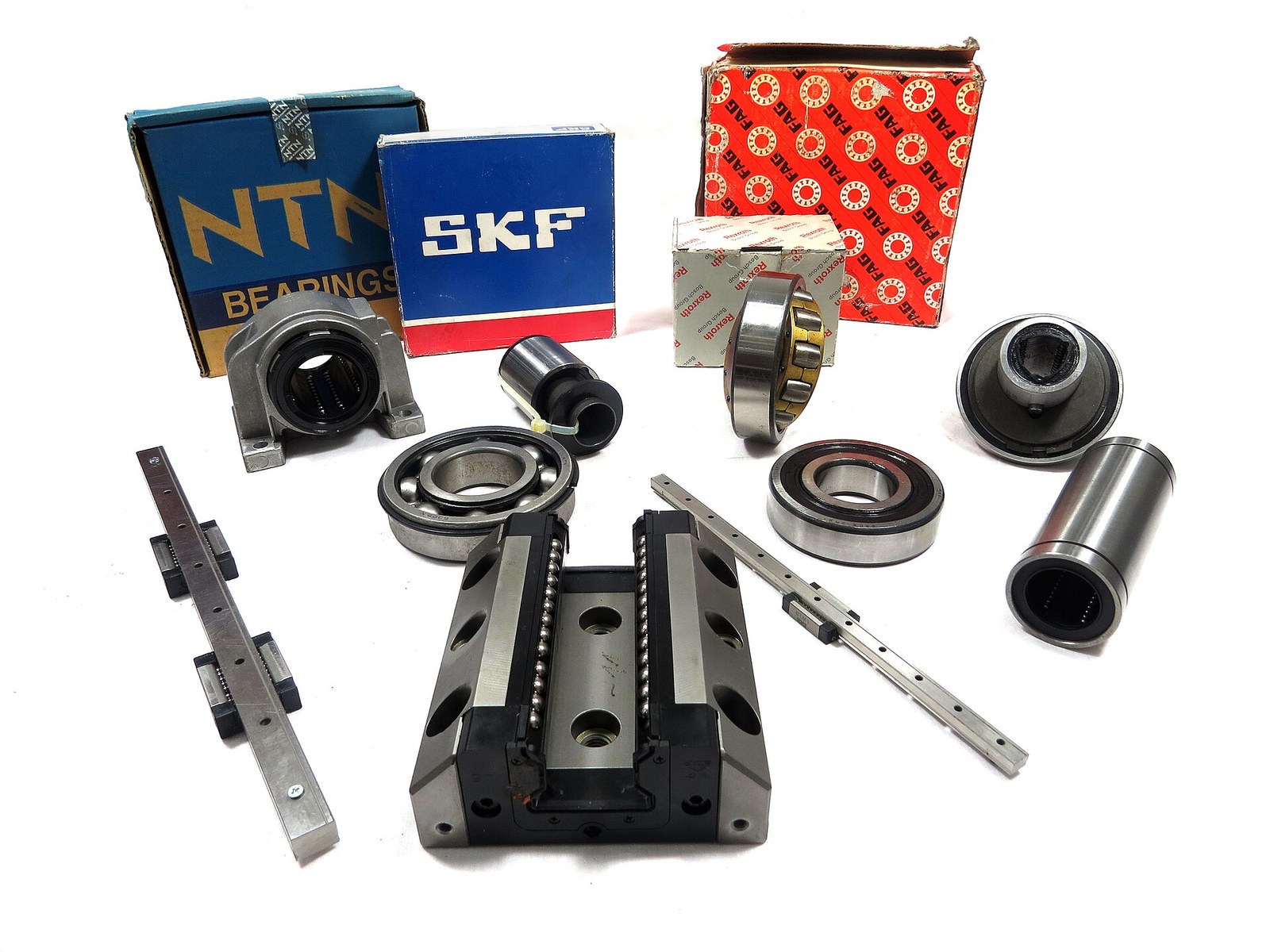
Schaeffler is one of Germany's largest automotive suppliers, with a portfolio running from bearings and screws to electric drives and chassis systems. The logic for humanoids is direct: ball screws, crossed-roller bearings and frameless motors inside a joint are already on its shelves.
The arithmetic
One-time costs are about €480 million, most of it booked in 2026, with annual savings of about €300 million by 2030. Half of the affected roles are in production and 30% in research and development, across 16 European locations.
CEO Klaus Rosenfeld told Reuters that personnel costs in Germany are about 2.5 times higher than in other European countries, and did not rule out further cuts after 2028. The management board will take a 10% pay cut over two years, the first step in a voluntary reduction across all levels.
Set the cost base next to the order book and the picture is clear: combustion-engine capacity is the shrinking side, new business the expanding one, and the two run on different clocks. Savings from the cuts take years to arrive; revenue from new business takes longer.
The €400 million in humanoid orders
The number worth remembering sits outside the release: as of October 20, Schaeffler's incoming orders in humanoid robotics stood at around €400 million. The company stresses these are orders, not revenue.
That distinction matters. For a components supplier, "incoming orders" usually means multi-year framework volumes from customers, and whether they convert depends on those customers reaching volume production and ramping smoothly. Treating the figure as revenue is the most common error in coverage of this sector.
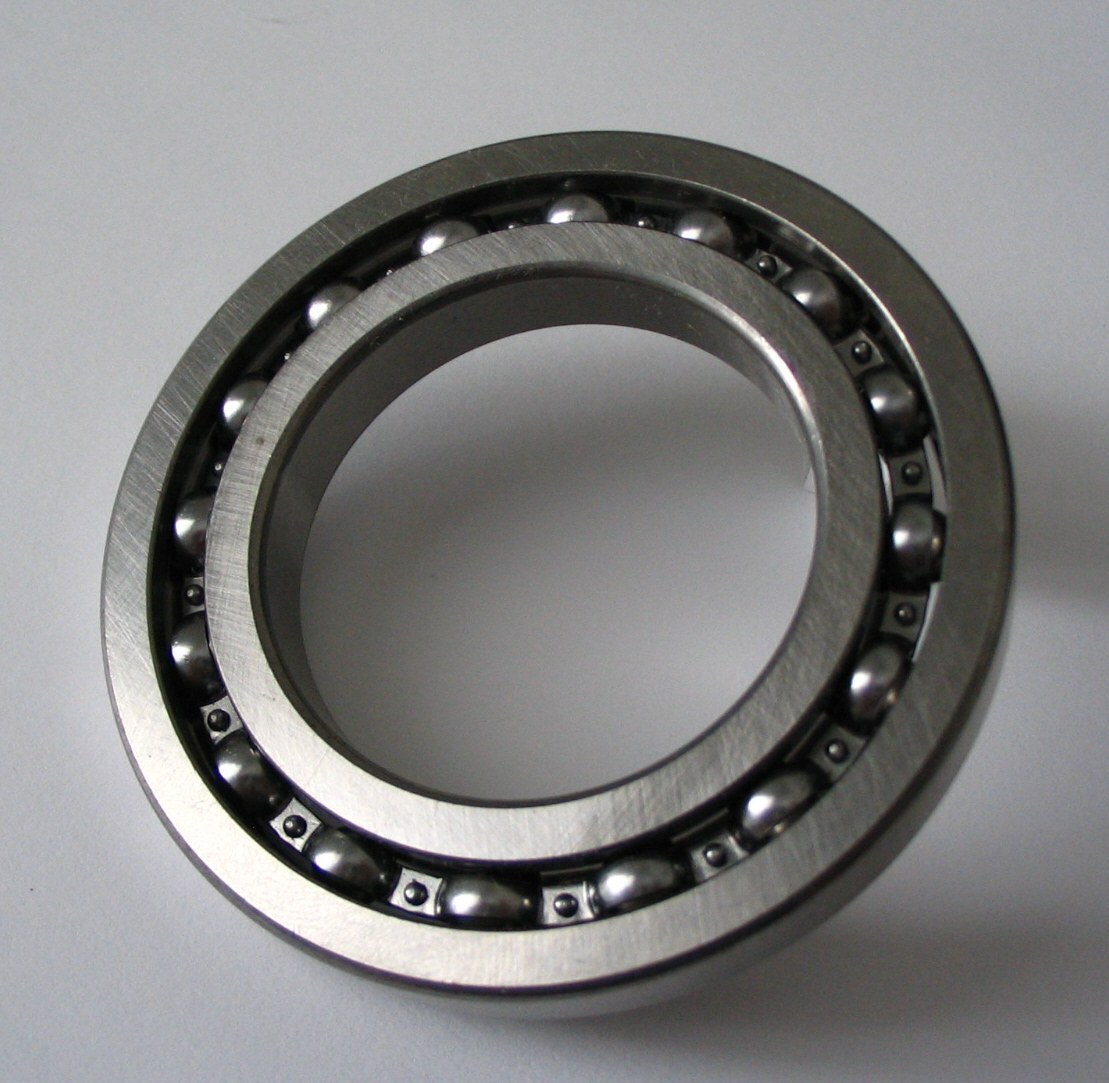
Chief operating officer Jochen Schröder said the company sees growth opportunities in humanoid robotics and defence, drawing on expertise from its core business. In industry terms: ball screws, bearings and actuators — the old line of work — happen to be exactly what a humanoid joint needs.
How hard a turn is for a Tier-1
Several European suppliers have spent the past two years shrinking domestic capacity and putting new investment where costs are lower. Schaeffler is not an isolated case. Europe's automotive supply chain is absorbing three things at once: electrification cutting demand for combustion parts, Chinese suppliers squeezing on cost, and carmakers shifting capital to software and batteries. The layoffs are an outcome, not a choice.
Naming humanoids as a growth area is logical but slow. Automotive parts take years to validate, and humanoid production schedules are still unsettled; €400 million of orders becomes revenue only after customers prove they can build at volume. The gap in between has to be bridged by defence and the legacy business.
For the industry, the significance is that the humanoid supply chain is no longer only startups. Tier-1 suppliers are arriving with existing lines, quality systems and customer relationships. They will not tell dramatic stories, but they will push costs down.
This piece summarizes public reporting and did not independently verify vendor demos or experimental data. Not investment advice.