
Ant's open-source robot brain has 2.2 million downloads
At Wuzhen, Ant Group's Lingbo showed a fully open-source robot general brain: nine months after release, LingBot has 2.2 million downloads and 33,000 GitHub stars, with a robot pharmacy already running in Shanghai stores.
At the World Internet Conference in Wuzhen on November 3, Lingbo, the embodied AI company owned by Ant Group, put its "robot general brain" on display. The hardest numbers: nine months after open-sourcing, the LingBot model family has passed 2.2 million downloads and 33,000 GitHub stars.
Open source bought more than downloads
Download counts alone say little about quality, but the citations say something: the report notes that Physical Intelligence and Generalist AI have cited the work; Stanford's OpenWAM project reused and adapted LingBot-VA; Korea's FastOPD used LingBot-VLA as a teacher model to train a lighter system; EPFL used LingBot-Map for 3D reconstruction of coral reefs.
The engineering moves are more telling. LingBot-VLA and VA were adapted to LeRobot, the widely used robot development platform; LingBot-Vision was merged into the timm backbone library; LingBot-World became the first world model supported by both vLLM and SGLang, and NVIDIA integrated it into its FlashDreams inference library.
Being absorbed by mainstream tooling matters far more than being praised by peers. The first means people can use you without changing their code; the second is politeness.
"One brain, many bodies" is an engineering bet
The reasoning is practical: robot hardware varies enormously and tasks are fragmented, so if every new body and every new scenario required training a brain from scratch, the industry would never scale. An open general brain bets that one capability can be reused across bodies.
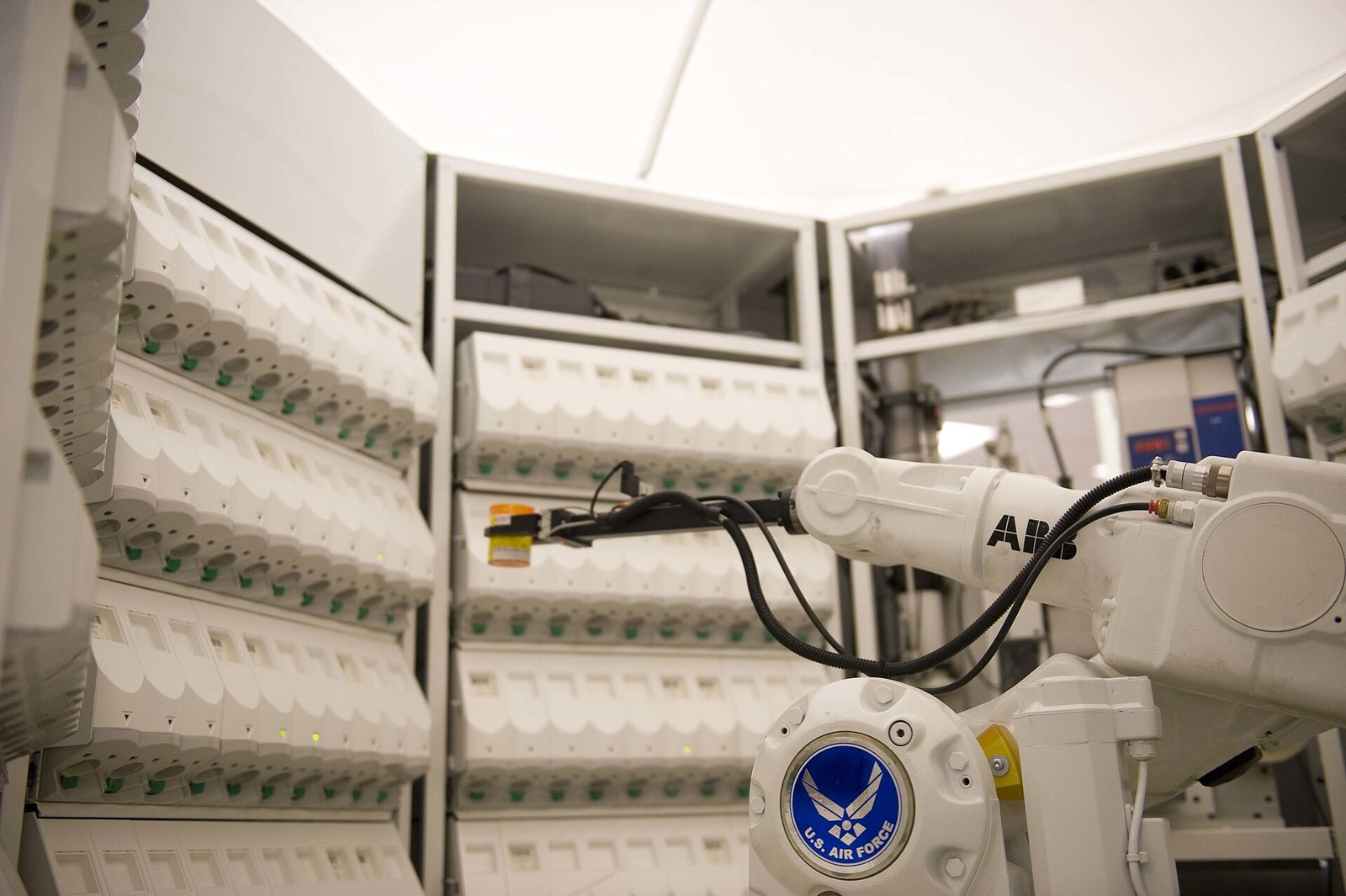
Lingbo says it is validating "one brain, many bodies" with humanoid makers including Leju and Tihu. If the approach works, the value is less in the model than in the interface: whoever's standard the most bodies adopt sets the terms for the next round of iteration.
Open source is the fastest way to that position, and the price is giving up the technical moat. It is not charity; it shifts competition from "whose model is better" to "whose ecosystem is bigger."
The pharmacy is the first place the maths works
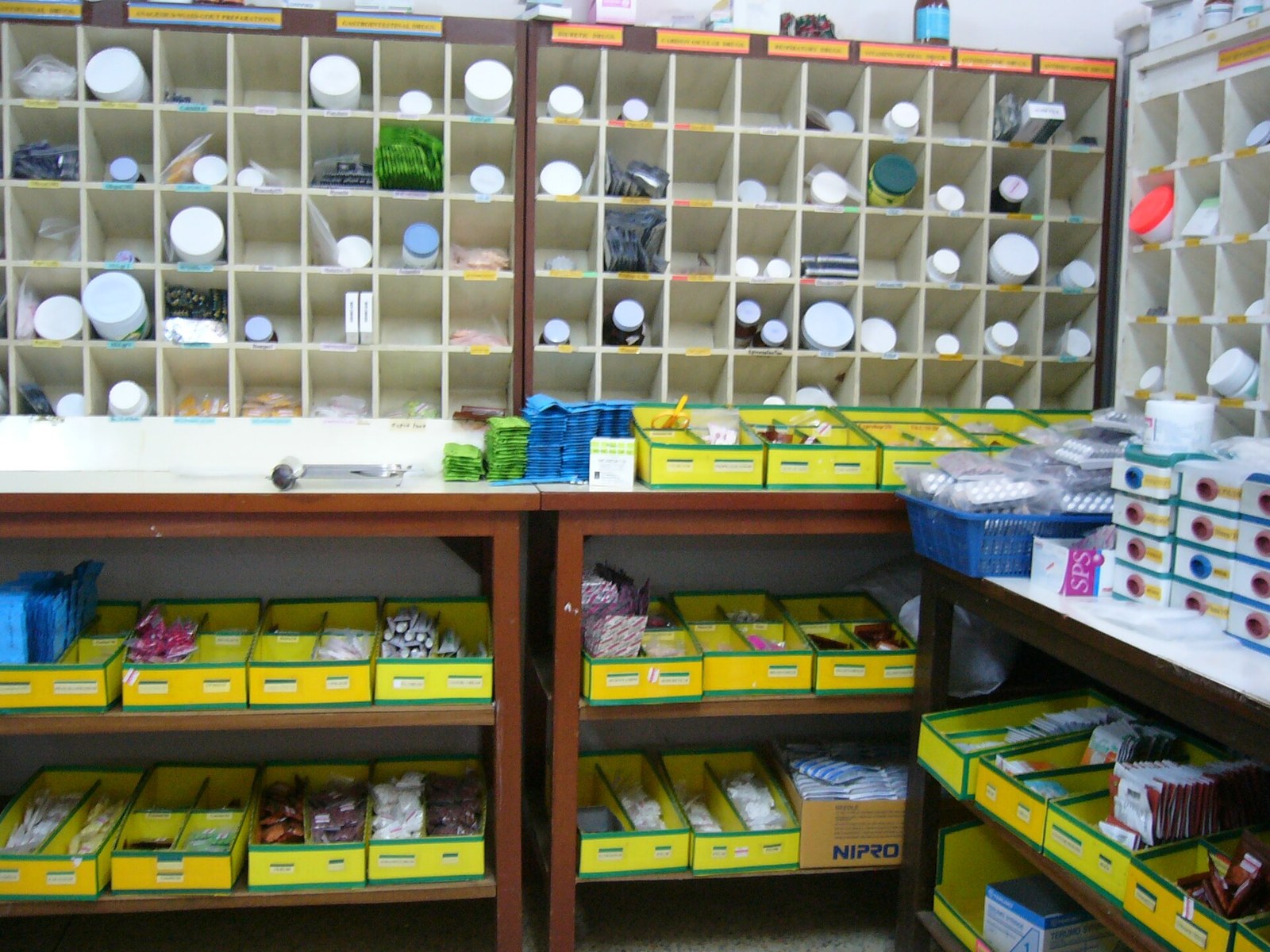
The more interesting exhibit was the robot pharmacy: built with Guoda Pharmacy, it recreates a real dispensary inside the Wuzhen venue, with densely packed medicines, and the robot completes the full flow — order intake, sorting, delivery — inside 80-centimetre aisles.

Two details decide whether this replicates: the robot had to fit the existing store rather than the store being rebuilt for it — no changes to product display or layout; and several Guoda Pharmacy stores in Shanghai already run it routinely, not as a one-off demo.
A pharmacy suits being first because its task boundary is clear: medicines in fixed places, orders from a system, delivery at a counter. Homes change every day and factories demand takt time; the pharmacy sits in between.
How an open-source business collects money
Open models are not free projects. The usual route: models and tooling free, while deployment, integration and operations are charged — or training and inference stay on the company's own cloud. The partner list fits: Dematic-like logistics sorting, industrial loading and unloading, plus a memorandum with the Arab Federation for Digital Economy covering retail, logistics and hospitality in the Middle East.
The risk is equally clear: once a model is embedded in someone else's toolchain, bargaining power shifts to whoever owns the scenario. Open source buys standards, and standards do not automatically produce revenue — a question every open foundation model company has to answer.
Two awards at the conference's "Light of the Internet" expo suggest official endorsement of the route. For Lingbo, the numbers that matter will be next year at this time: how many robot makers default to LingBot, and whether a second scenario besides the pharmacy can make the maths work.
This piece summarizes public reporting and did not independently verify vendor demos or experimental data. Not investment advice.