Stageshow: X’s design lead shipped an installable agent skill for faux UI—and bookmarks outran likes
Not a generative toy.
SKILL.md + React kit + gold examples + film.mjs, installable across Claude Code, Cursor, Codex, Grok Build
Benji Taylor—head of design at X and SpaceX SI per his X bio—posted one install line at 2026-10-31 18:08 UTC (2026-11-01 02:08 Asia/Hong_Kong). Within hours the post sat around 3.4k likes, 4.6k bookmarks, and ~133k impressions. The drop is Stageshow: an agent skill that steers coding agents toward higher-grade faux product UI—stills, cursor walkthroughs, bento grids—the kind of framed shots marketing pages, feature cards, and docs heroes actually need.
npx skills add benjitaylor/skills --skill stageshow
Clear the misreads first. This is not a SaaS UI generator and not a new model capability. It is a package in the Agent Skills ecosystem: repo benjitaylor/skills, skill folder stageshow/, a SKILL.md with YAML name/description, a portable React kit, dozens of gold examples, bad/good teaching pairs, and film.mjs that shoots the demo to a contact sheet with measurable gates. skills.sh currently shows “No SKILL.md available” for the listing—that is registry display lag; the file is in the repo at full length. And it is not Agentation, Taylor’s earlier annotate-in-browser toolbar. Stageshow is the taste-and-pipeline pack for fake interfaces.
An agent skill, in the Cursor / Claude Code / Codex sense, is a versioned folder the agent loads on demand—not a one-off system prompt. Distribution rides the open skills CLI from Vercel Labs (npx skills add owner/repo --skill name), landing in .agents/skills, .cursor/skills, .claude/skills, and friends. Taylor’s write-up names Grok Build, Claude Code, Codex, Gemini, and more. You get ordinary React components you can drop into a real frontend repo—not a hosted render black box.
The skill’s one sentence: it reads as a real product, simplified to what the viewer needs, framed with intent, and every motion has a cause. Five failure modes are named and banned: too much (real copy in every cell), wireframe, boxed (whole window shrunk into a card like a pasted screenshot), flat, and bland (the brief’s glass / blueprint / Dynamic Island never shows up). The fix is structural: quiet greys, real words only on the story, placeholder bars elsewhere, crop decided before choreography.
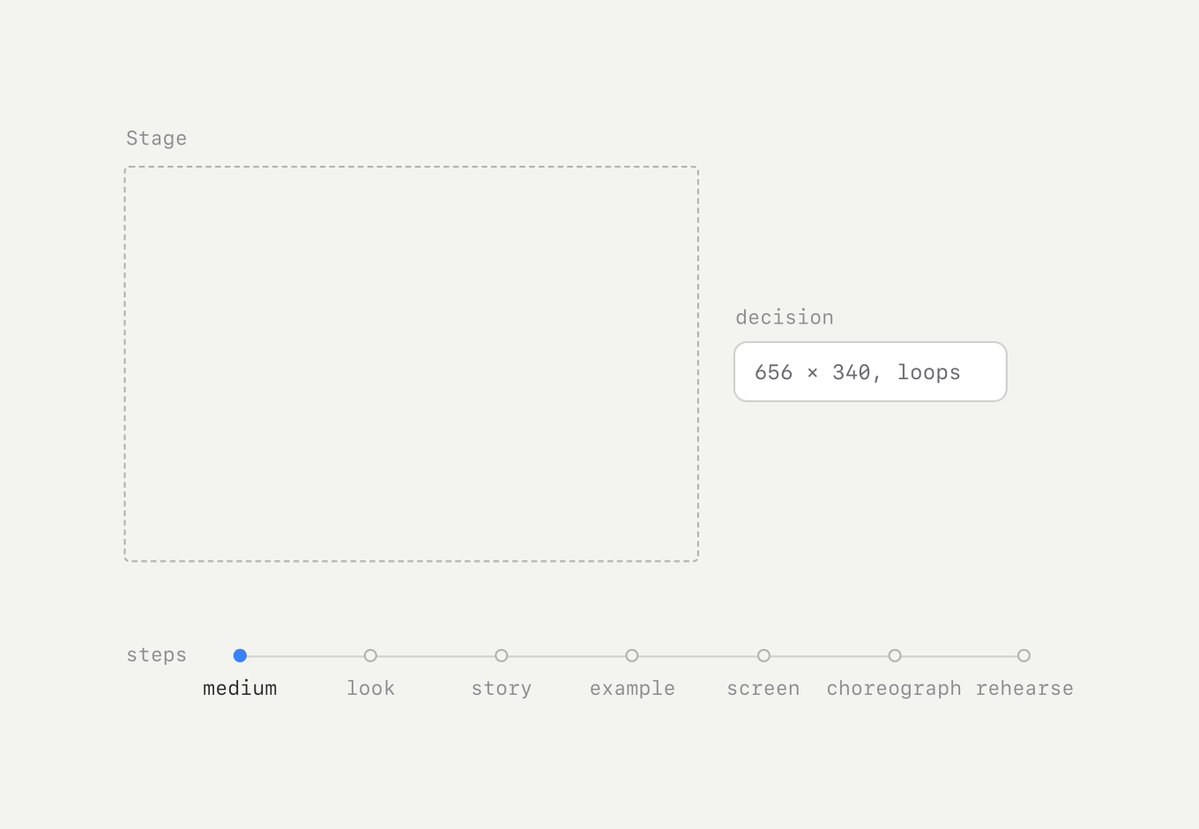
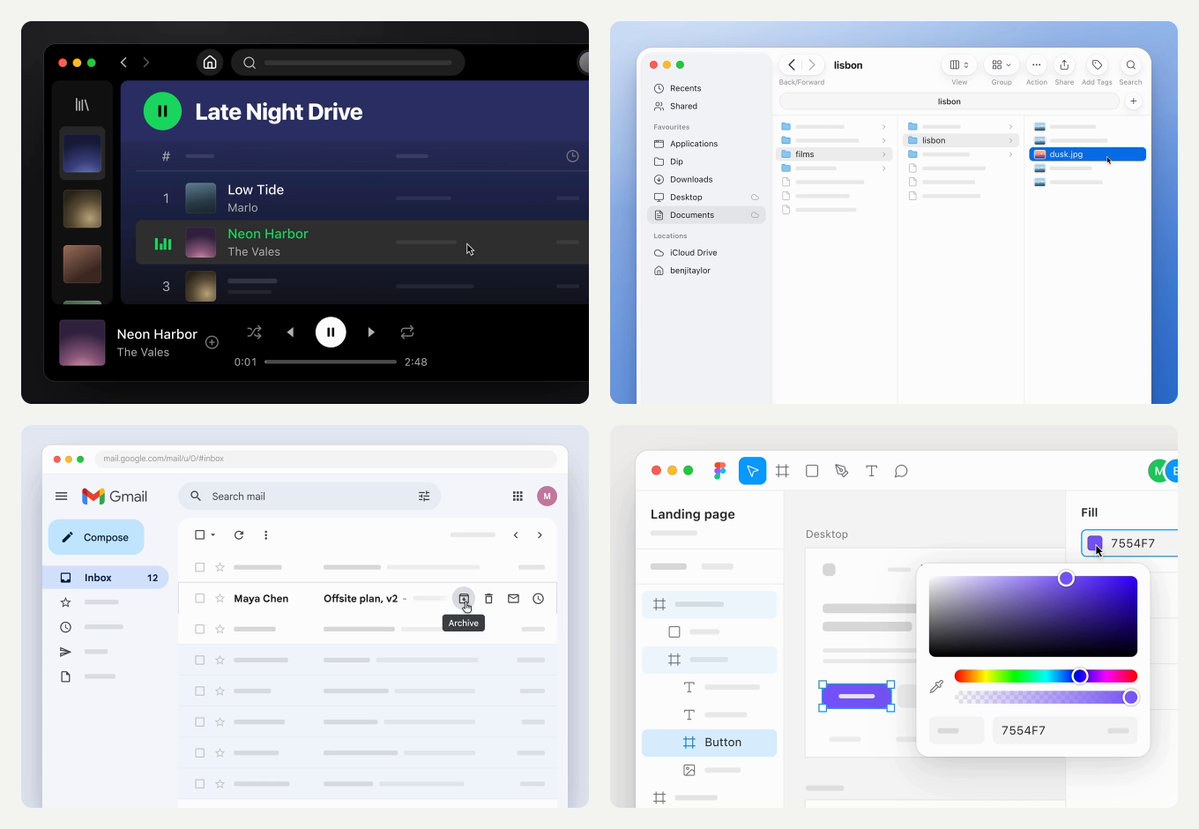
The workflow is seven steps, most of them pre-code: medium and placement → look (light/dark/blueprint/glass plus fidelity) → a three-to-five-beat story → copy the closest gold example → budget real strings → choreograph with the Act API → rehearse with film.mjs and hold it next to gold. Taylor’s thread is blunt: the skill walks the agent through how he would build one by hand, then makes it film the result and fix what it sees. His own A/B—recreating small moments from Figma, Gmail, Finder, Spotify—found the skilled agent consistently beating the same prompts without it.
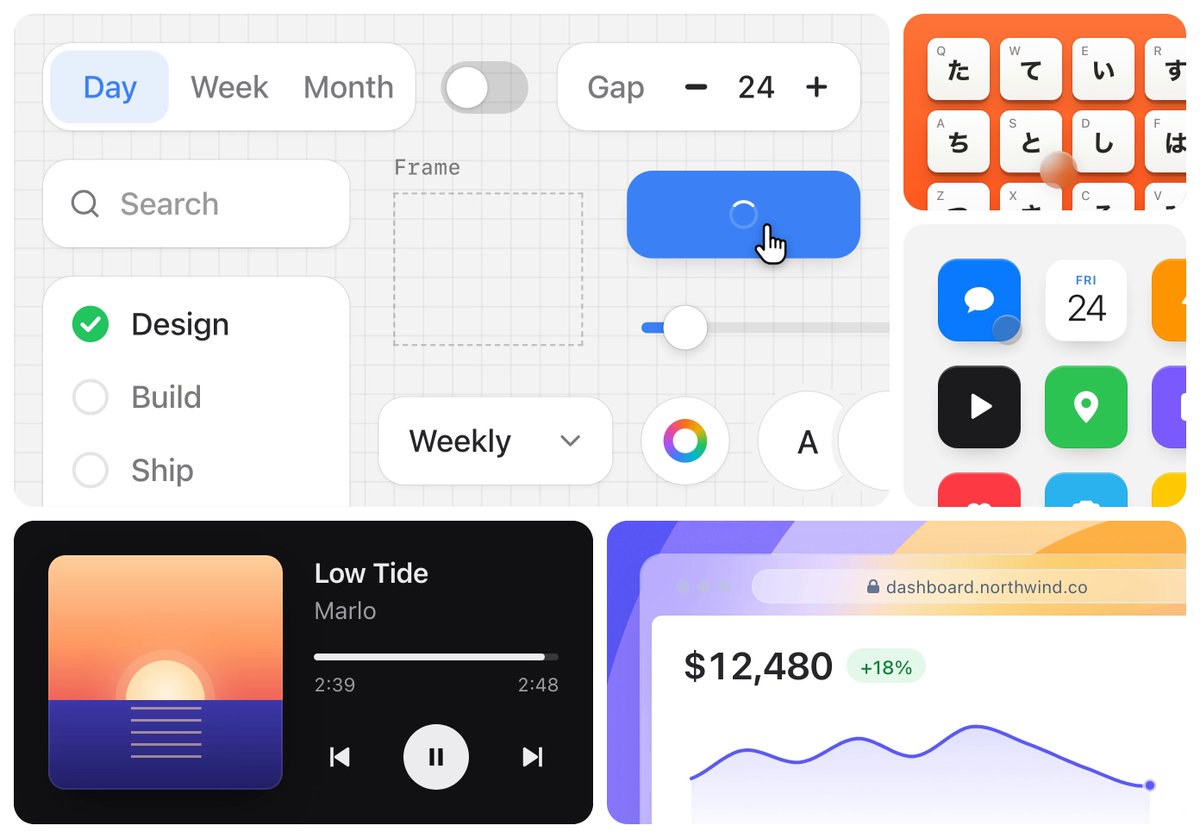
Repo facts for people who will actually install it: package stageshow 0.1.0, MIT (Copyright 2026 Benji Taylor), Node ≥20.19; playground via npm install && npm run dev, with http://stageshow.localhost:1355 on macOS/Linux. Roughly seventy folders under examples/—hero-demo, bento, dynamic-island, plus product studies like linear, figma, gmail, spotify. The kit ships real-geometry Window/Phone, named cursor targets, digit rolls, fly-ins—the motion cold hands botch. Important: a.click() / a.set() author an illustration; they do not automate live app controls.
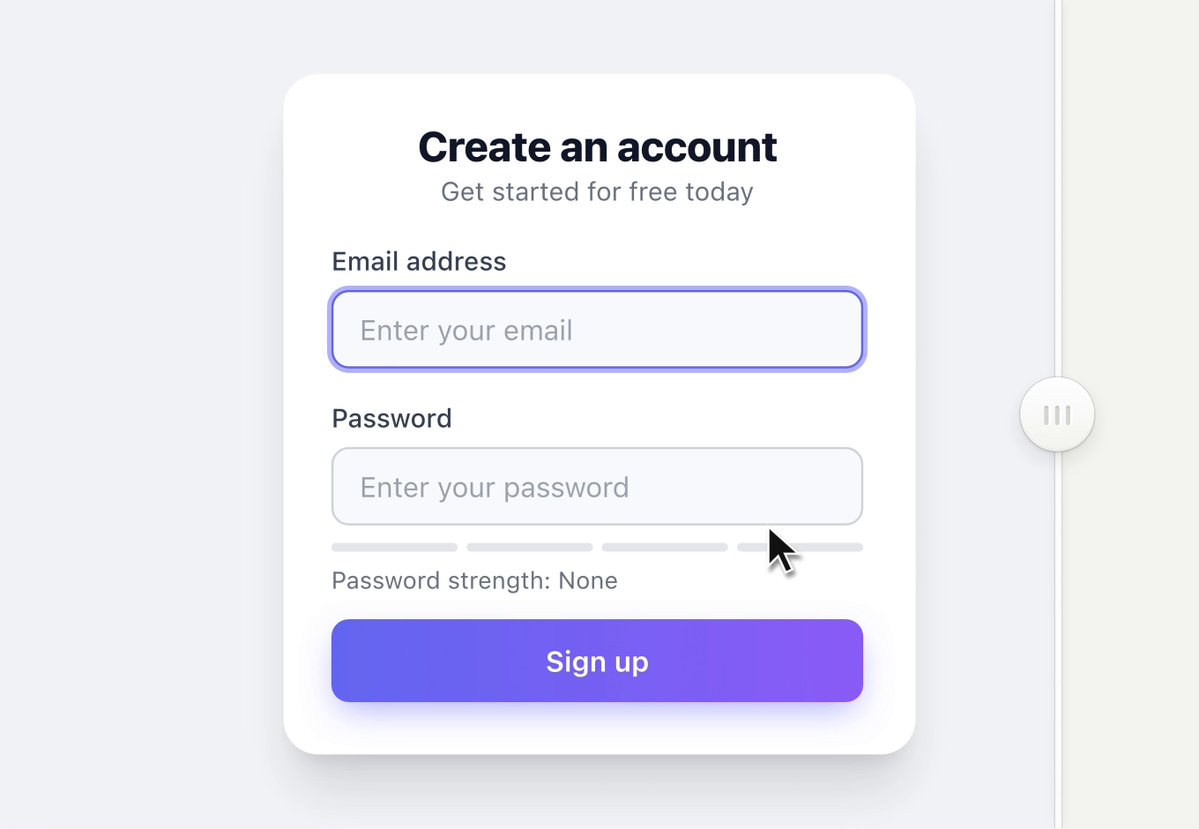
The longform at benji.org/stageshow is dated 31 October 2026—same calendar day as the launch post. Side-by-side without/with pairs cover a blueprint webhook diagram, a dark bento, a native-Mac AI writing hero, a dashboard camera push, an iPhone lock-screen-into-chat loop, and a two-device scheduling beat. Same prompt; the gap is crop, density, and causal motion. Taylor does not hype past the limit: first pass is usually a big step up, still often needs a few feedback rounds; checks catch mistakes, not dull ideas; it cannot draw, so illustration and photography stay handmade. And the closing thesis is colder than the bookmarks: as model taste improves, a skill like this may not be needed for long—but every demo made with it is a small, well-built specimen of the genre models learn from. If it helps make itself unnecessary, fair trade.
For agent-product and marketing-site people, the signal is not “another one-click fake UI.” It is that taste is being filed into version control and shipped across harnesses. Bookmarks beating likes is the tell—engineers pocketing a tool, not dunking on a meme. Later the same evening Taylor posted “Try Grok Bot + Stageshow together!”—same skill, different agent shell, not a closed plugin store.
Install it. Give a tight brief—“homepage hero, someone assigns an issue to a teammate, looping.” Watch whether the agent crops first, spends the real-string budget on the focal beat, and whether the contact sheet shows one-frame snaps. That rehearsal loop is the actual product.