Lightberry's Lumi Becomes First Humanoid Cleared by US Government
Lumi, a 4'2\" companion humanoid, passed a Department of War review and won an exemption from the FCC's foreign robot ban.
Founder Edition: $39,990.
The bar for selling humanoid robots in America jumped this summer. In July the FCC added foreign-produced advanced robotic devices to its Covered List, which means new models can't get the FCC authorization needed to import, market or sell them in the US. Three months later, the first humanoid has a way through. San Francisco startup Lightberry says its Lumi line passed a national security review by the US Department of War and received Conditional Approval, and the FCC's Public Safety and Homeland Security Bureau exempted it from the list in an October 30 public notice.
Lightberry calls itself the first, and so far only, humanoid robot company to be approved. The same FCC notice lists forklifts, logistics robots and solar platforms, but Lumi is the only humanoid on it.
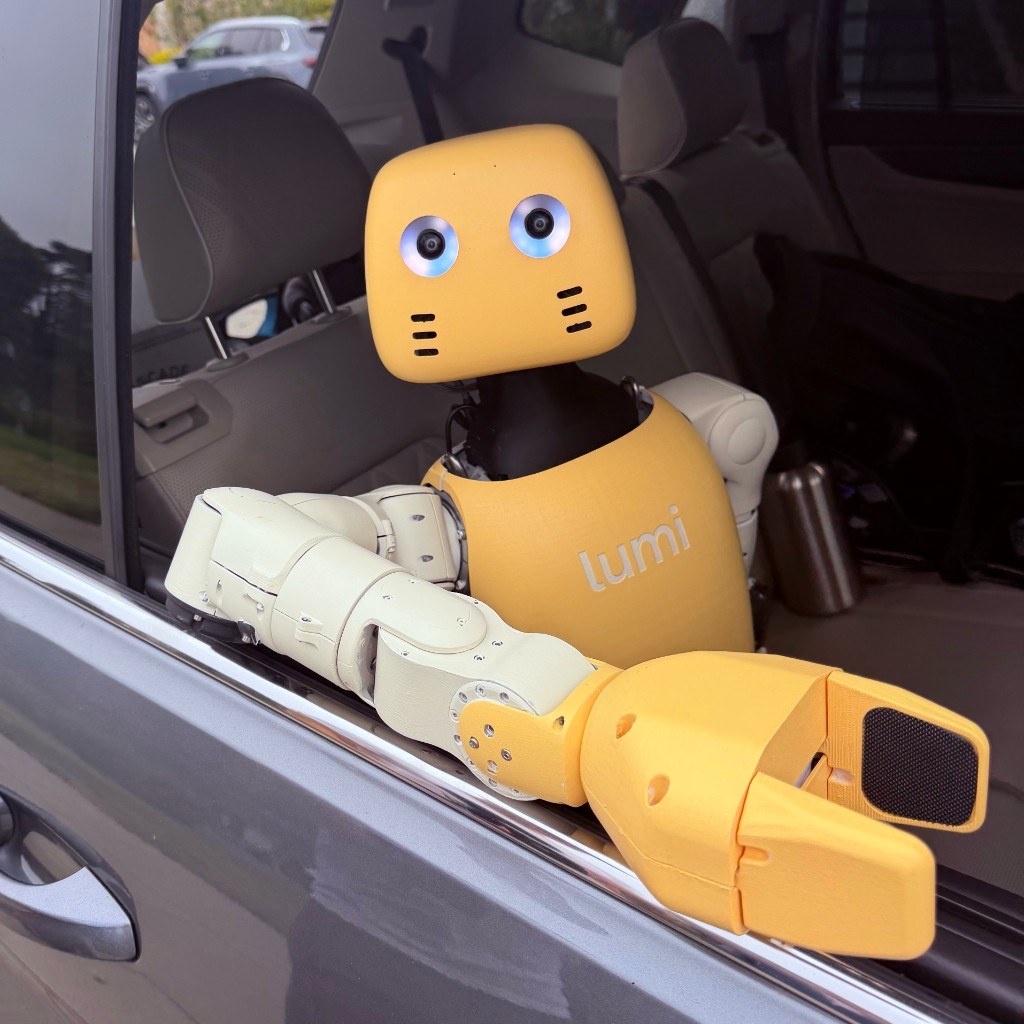
Lumi isn't a factory robot. It stands 4 feet 2 inches, about 1.3 meters, and is pitched as a conversational companion that lives and works around people, nodding, shaking and tilting its head as it talks. Lightberry markets it as the world's most interactive robot. The Founder Edition costs $39,990 and is slated to ship in 2026, with reservations open now.
The interesting part is what the approval required. First, Lightberry replaces the robot's sensors, onboard computer and software with its own, so it fully controls what runs inside Lumi and can answer the privacy concerns behind the review. Second, it has to manufacture in America, starting with Lumi's body, head and hands, with the rest of the robot to follow. The exemption is tied to that onshoring plan and to ongoing vetting. Miss the commitments and Lumi goes back on the list.
Those conditions say a lot. If the sensors, compute and software have to be swapped out, and production moves home piece by piece, the underlying hardware very likely started life in an overseas supply chain. Lightberry is effectively turning a foreign-built platform into a trusted American product: its own brain and senses inside, with the shell and key structures made domestically. In today's policy climate, that's the most pragmatic play available.
The precedent matters for the whole industry. Humanoid hardware supply chains are concentrated in China, and the FCC rule cuts that chain off from the US market while leaving a narrow door for companies willing to onshore. Lightberry got through first, and others will follow its playbook. Being first to clear compliance may count for more than a few extra degrees of freedom when it comes to getting into American homes.
At nearly $40,000, Lumi will be a toy for enthusiasts and early adopters for now, and real demand for companion humanoids won't be clear until the first units reach living rooms. But on the question of whether it can legally be sold at all, Lightberry is already a step ahead of everyone else.