
Google Sunsets Jules Into Antigravity, Adds Plugin Hub
Jules goes read-only Nov 11 and offline Dec 31 as Google folds it into Antigravity and launches a Plugin Marketplace for Jira, Figma, Stripe and more.
Google is winding down Jules, its asynchronous coding agent. A October 29 changelog says Jules will shut on December 31, 2026 as part of unifying agentic coding work. Users have until November 11 to finish active sessions; after that the product turns read-only until year-end. Google frames Jules as an experiment whose lessons are already shaping products across the company, including the agent-first platform Google Antigravity.
For teams still clearing backlog in Jules, the clock is short. Account settings, environment variables, schedules, connected repos, memories, setup scripts and every session's prompt, plan, activity log and patches can now export into a local folder. Code, branches and pull requests already live on GitHub. Google is offering an exit ramp, not a long dual-track.
Antigravity's Plugin Marketplace packages MCP for one-click install
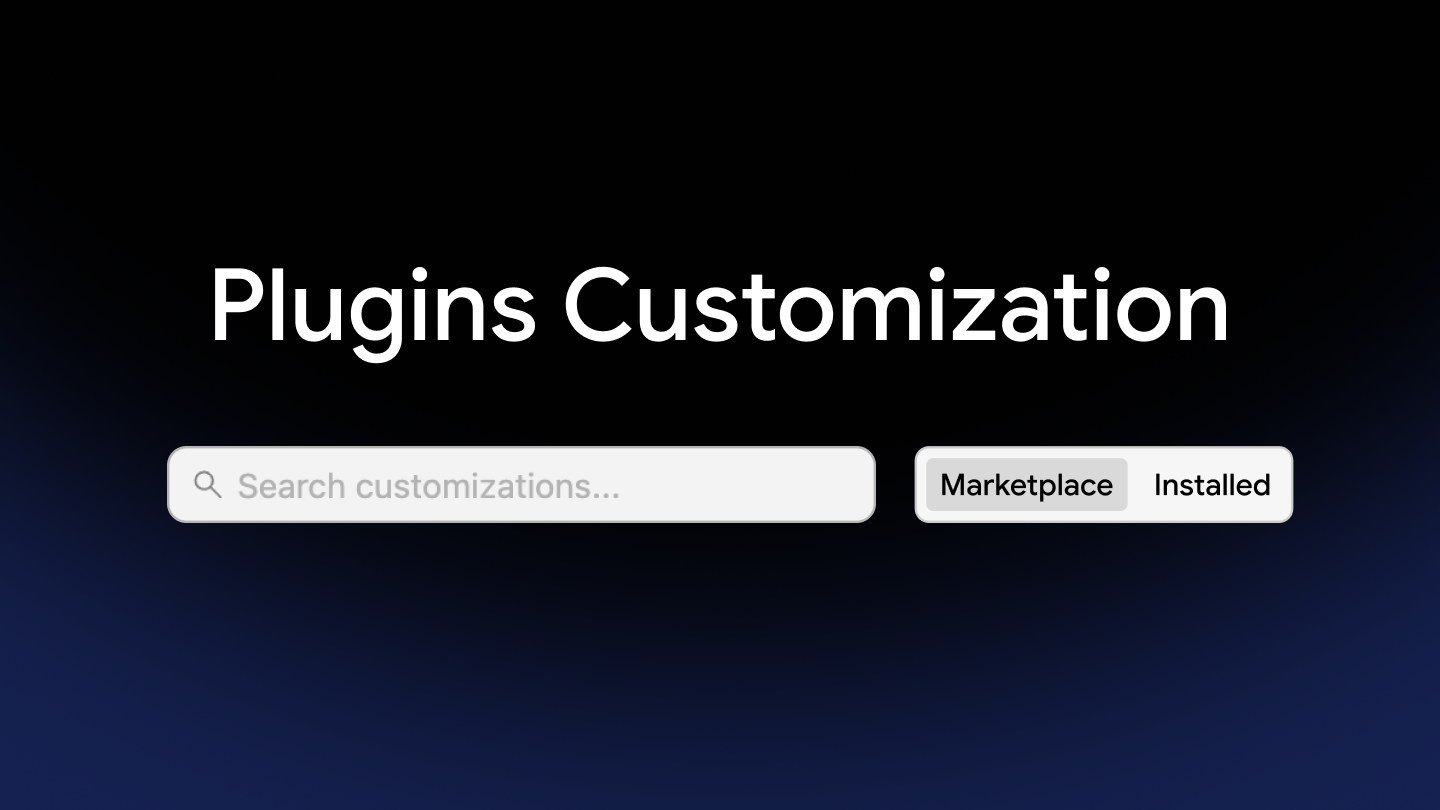
The same day, Antigravity launched a Plugin Marketplace across the App and CLI. Wiring an agent to outside systems used to mean hand-rolled MCP endpoints, env vars, skills and subagents. Those pieces now ship as versioned bundles with a plugin.json manifest: browse by category, install in a click, and App installs sync to the CLI.
Launch partners span delivery, ops, data, design and commerce — Atlassian (Jira, Confluence, Bitbucket), Figma, Stripe, Datadog, Databricks, Canva, CrowdStrike, monday.com, Dropbox, Unity, Ping Identity, SentinelOne and more. Each plugin can pack up to five primitives: Skills, MCP servers, Rules, Hooks and Custom Agents. Once enabled, an agent can pull tickets, read design context, inspect payments or dig through production logs without hopping browser tabs.
Clean consolidation; migration still falls on users
Google's public line is that Jules learnings move into Antigravity so builders get both autonomous remote background execution and an agent-first IDE. The strategy is tidy: stop feeding two overlapping coding-agent products, and put the chips on Antigravity. The marketplace fills the other gap — an agent stuck inside the editor is just a chat that writes patches; hooked to Jira and Figma, it starts to look like part of a team workflow.
The cost is also clear. Jules users have weeks to decide which sessions to export and which schedules to rebuild elsewhere. Antigravity plugins need API keys or OAuth, and permission boundaries still depend on each MCP design. With one shutdown notice and one marketplace launch, Google folded an async-agent experiment into a unified-platform story. The next test is whether teams that trusted Jules with their backlog actually move those habits into Antigravity — or scatter into Cursor, Claude Code and other terminal agents instead.