
UBTECH won a 264 million yuan humanoid project
UBTECH won a 264 million yuan project to build a humanoid data collection and testing centre in Fangchenggang, centred on its battery-swapping Walker S2 with December delivery.
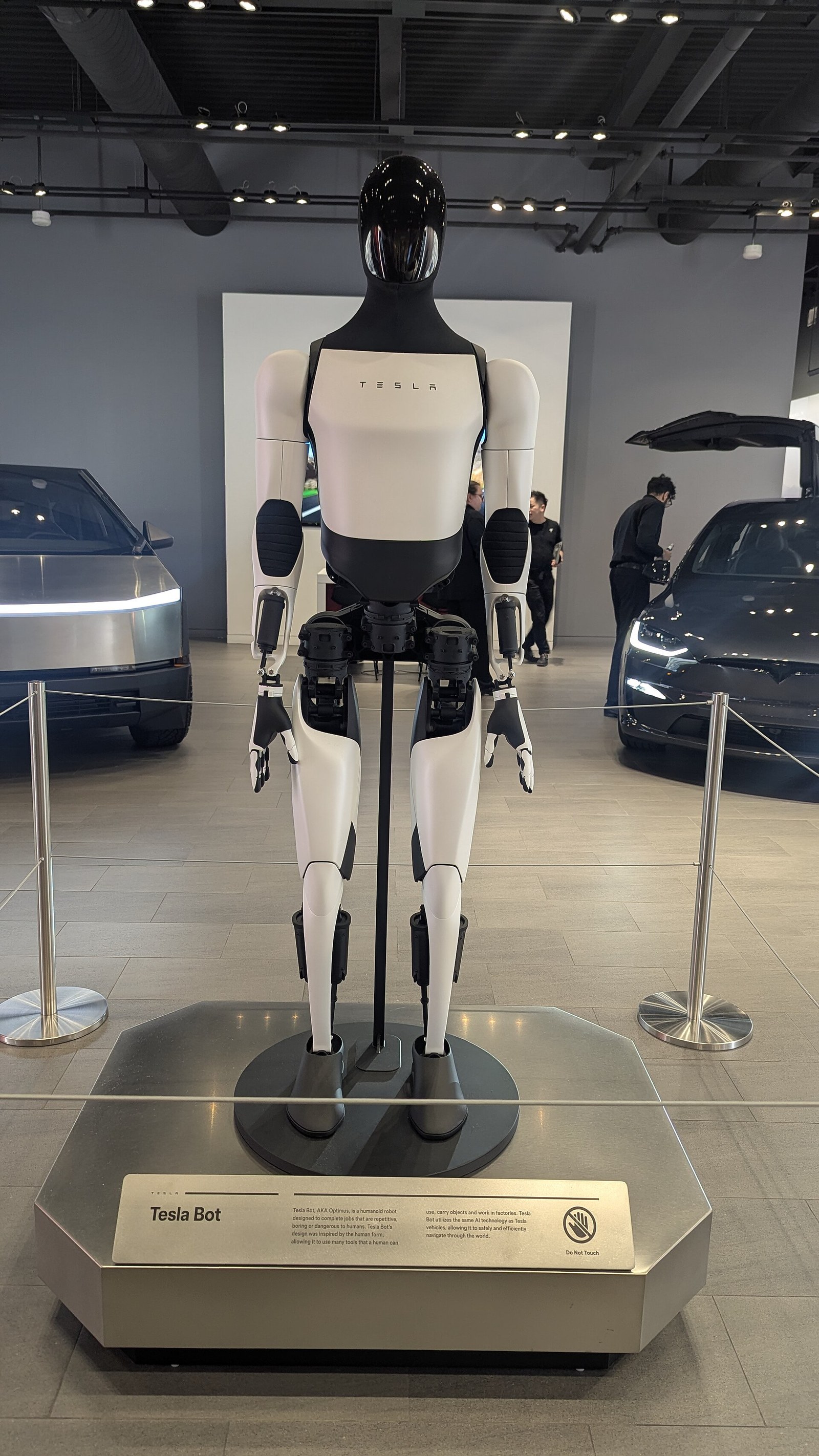
On November 21, UBTECH announced it had won the "humanoid robot data collection and testing centre and AI science-education demonstration project" in Fangchenggang, Guangxi, with a bid of 264 million yuan. The order centres on its latest industrial humanoid, the Walker S2, which can swap batteries autonomously, and delivery is expected in December.
What the money buys
Two phrases in the project name matter: "data collection and testing centre" and "AI science-education demonstration." The first is infrastructure — collecting real-robot data and testing models; the second is education and display.
So the buyer wants a regional capability base — space, equipment, data and teaching content — rather than production-line equipment. Such projects are multiplying in China: several cities have been building training and testing centres, though few disclose amounts.
For a robot maker the upside is a batch sale with a visible amount; the downside is a government client with detailed acceptance criteria and a hard delivery date.
That also explains why such projects favour industrial models over companion androids: the centre needs data from real work — real stations, real materials, real takt — which companion products cannot produce.
The S2 and battery swapping
The order specifies the Walker S2, whose selling point is autonomous battery swapping. That detail matters more than specifications: swapping means the robot need not stop to charge and can run two or three shifts — one of the metrics industrial buyers care about most.
When we wrote about Xiaomi's case, we did the arithmetic: eight hours of work with two self-charges implies about 2.7 hours per charge. Swapping sidesteps the constraint — not by making the battery last longer but by cutting refuelling time to nearly zero.
Each route has costs: swapping needs swap stations, standardised packs and mechanical design; charging is simpler but sacrifices continuity. In fixed plants and fixed workstations, swapping is easier to justify financially.
How large 264 million yuan is
For comparison, UBTECH's 400-unit U1 Pro order from Yongda Auto was worth roughly 68 million yuan at JD.com prices. This order is nearly four times that.
But the two are different in kind. Yongda's is a channel purchase, bought to be sold; Fangchenggang's is a government project, bought to build a centre. The first risks "can it be sold," the second "can it be delivered and accepted."
One more figure belongs here: the U1 series had disclosed about 13,000 units of channel orders, while the company plans to actually deliver 1,500-2,000 this year. The gap between orders and delivery is the most common feature of the industry in 2026.
One detail worth noting: Fangchenggang is a border city in Guangxi, and such projects are usually tied to local industrial plans. Whether they replicate elsewhere depends on local budgets and industrial bases, not on technical maturity.
Where to discount
First, a bid amount is not revenue. Government projects usually pay in stages after acceptance, with retention held back; December delivery is only the first step, and revenue depends on acceptance milestones.
Second, the schedule is tight. From winning on November 21 to delivery in December is a few weeks for production, shipping, installation, commissioning and training — a stress test for any supply chain.
Third, replicability needs watching. If every city builds a data collection and testing centre, demand scales quickly; if only a few pilots do, it is one-off government procurement.
What is confirmed is a shift in order structure: the largest disclosed humanoid order comes from a government data-infrastructure project rather than a factory retrofit. That matches the earlier finding that 76% of first-half tenders came from education, research and government platforms — an opportunity, and also evidence that the industry has not yet entered manufacturing proper.
This piece summarizes public reporting and did not independently verify the bid details. Not investment advice.