ChatGPT's Dot Agent Now Takes Tasks by iMessage and RCS
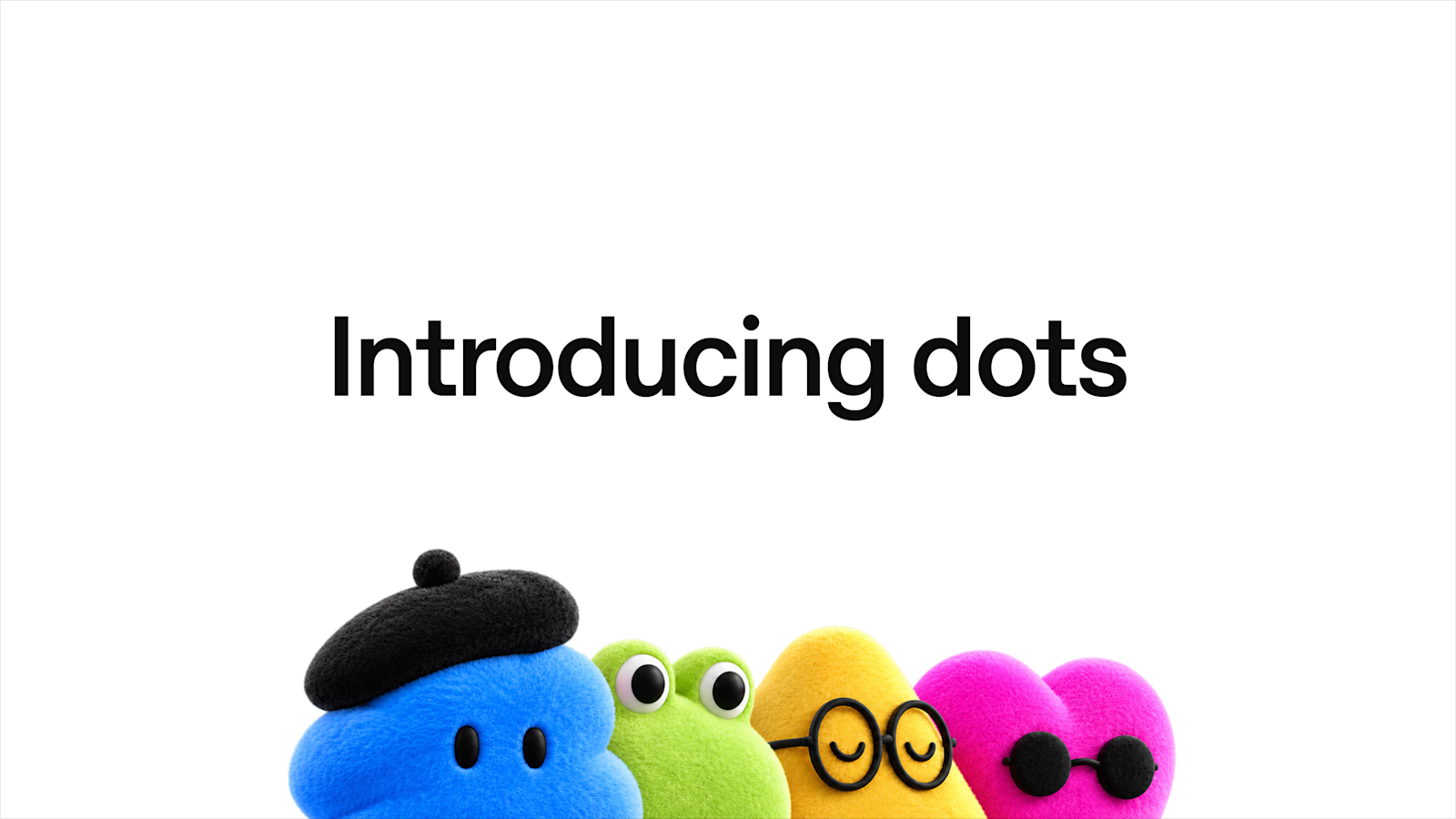
OpenAI's always-on dot agent can now be texted via iMessage and RCS with text, photos or voice, and it texts back proactively.
US ChatGPT Pro preview only.
Handing work to an AI no longer means opening an app. OpenAI says the dot, ChatGPT's always-on agent, can now be reached through iMessage and RCS. Send a text, snap a photo or fire off a voice note, and the task is on its way.
From the chat window to the messages list
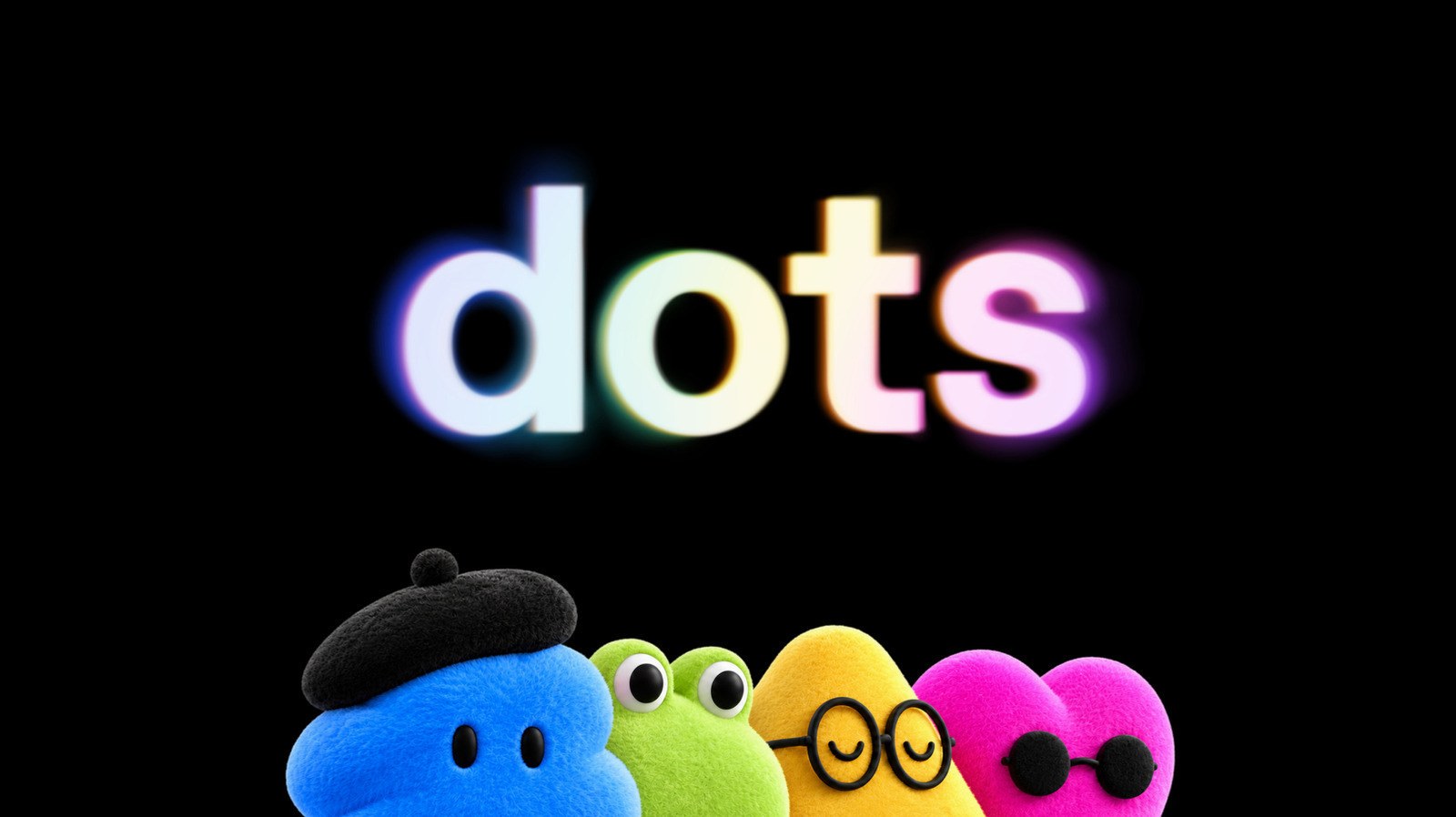
Dots launched at the end of September as agents that stay on, remember context and keep working between conversations. Until now you had to find yours inside ChatGPT on mobile, desktop or the web. The update adds a new front door: the messaging app that already lives on your phone.
OpenAI says you can give your dot a task to take off your plate, or something to keep an eye on, using text, photos or voice notes. It will text you proactively with updates. That turns the relationship from "you ask, it answers" into something closer to a colleague who pings you when the job is done or something comes up.
Setup is short. Open the dot's profile in ChatGPT, choose Texting and verify your phone number. iPhone users need iMessage turned on, Android users rely on RCS, and plain SMS isn't supported. OpenAI also says the dot shares one memory across ChatGPT and text, so context carries over.
Convenient, with two caveats
It isn't end-to-end encrypted. OpenAI's help page says texts are handled by a third-party messaging provider, Linq, so the conversation between you and your dot is not end-to-end encrypted, even over iMessage or RCS. Think twice before sending anything sensitive from work.
The rollout is narrow. This is a preview for select ChatGPT Pro users in the US. Business and Enterprise workspaces aren't supported. If you don't see a Texting option in your dot's profile, your account hasn't been reached yet.
The direction is clear, though. For agents to become part of daily life, they have to show up where people already are, and texting is the most natural place. A quick voice reply from a wrist is enough to dispatch a task. The next thing to watch is when OpenAI opens it to more regions and plans.