Gemini Lets You Share Your Avatar So Friends Can Put You in AI Videos
Gemini users can now share their avatar so friends can use their face and voice in images and videos.
Access can expire or be revoked; past content stays.
Putting yourself into an AI video is no longer novel. Gemini's personal avatar feature, which arrived this summer, lets you record a selfie and voice sample and then cast "another you" in Gemini Omni videos and Nano Banana images. Now Google is taking a more social step: you can share that avatar with friends.
Licensing "me" to someone else
The flow is simple. Open your avatar in Gemini settings, tap Share and enter the other person's Gmail address. They can accept or decline. Once they accept, they can generate images and videos featuring your likeness and voice in their own Gemini, say, the two of you on a road trip, with your face and voice consistent from one creation to the next.
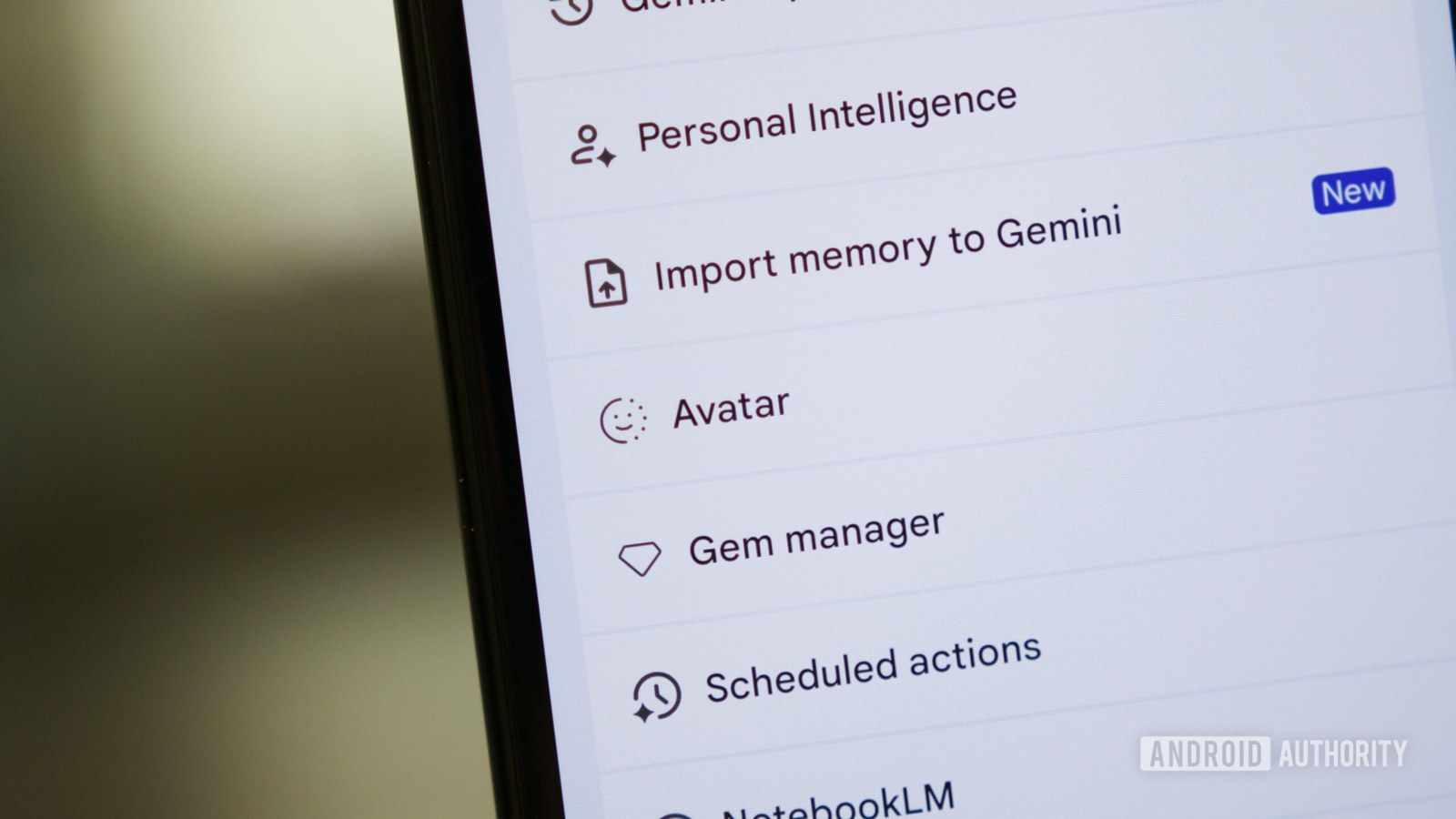
Access is manageable. A "Who can use your avatar" list shows everyone you've shared with, lets you set or change an expiration date per person, and lets you remove anyone at any time. Recipients only get the right to use the avatar; they can't see your original recording or edit or delete it.
The limits of revocation
One detail matters a lot: revoking only stops new creations. Google is explicit that once you remove someone, they can no longer make new content with your avatar, but anything they already made is not deleted. Google also says plainly that you can't control what a recipient generates, and recommends sharing only with people you trust.
That is the most delicate part of the feature. A consistent face and voice is the selling point and the risk. In a world already flooded with deepfakes, Google's approach is to turn consent into a product mechanism: you must record yourself, you must actively grant access, the recipient must accept, and grants can expire or be withdrawn. That is far more responsible than "upload anyone's photo and swap faces," but consent protects the moment of granting, not every use that follows.
On data, Google says recordings are stored in your Google Account and auto-deleted after three years of non-use, and are not used to train generative models except to address abuse. The feature requires users to be 18+ on a personal Google Account, supports English only, and isn't available in the EEA, Switzerland or the UK.
AI video goes social
As product logic, avatar sharing is the obvious next step for AI video. Starring in your own clips gets old fast; friends making cameos in each other's videos is what sustains creation and sharing. OpenAI's Sora app has already tried a similar cameo model, and Google clearly doesn't intend to cede that ground.
Two things to watch next: whether Google extends avatars to bigger distribution channels like YouTube Shorts, and whether its appeal and takedown processes can keep up when the first "my friend used my avatar to prank me" dispute arrives. The technology is ready; the rules are still catching up.