Bland Launches Tofu-1: Speech-to-Speech for Messy High-Stakes Calls
Bland's Tofu-1: full-duplex speech-to-speech for messy, high-stakes calls.
Demo is fully synthetic. Enterprise preview only; smaller distill due early December.
Bland just took voice agents off the transcript. The voice company today introduced Tofu-1, a full-duplex speech-to-speech model built for the calls that go wrong most easily and cost the most when they do: banks, health systems, insurers, government agencies. It is designed to listen while it speaks, keep reasoning while it talks, and separate a caller from a child, a television, and the rest of the line.
One misread to kill immediately. In Bland's 49-second launch video, every sound you hear—the caller, the agent, and the background—was generated by Tofu-1. It is not a real customer call. The "TV Test" on the product page is labeled an illustrative scenario, not a recorded model output. And Tofu-1 is a research preview for a limited number of enterprises, not a generally available phone agent.
What actually changes
Most voice stacks in production are cascades: speech to text, text to a language model, text back to speech. Each hop throws away part of the scene—who was talking, who they were talking to, whether they hesitated, whether they had finished. Tofu-1's claim is that it listens to the audio itself, so those signals stay available.
Bland breaks that into four capabilities.
It understands the scene, not just the words. The model is supposed to tell speakers apart, recognize who a phrase is meant for, and pull speech out of rain, highway noise, a hospital intercom, keypad tones, and a television. It also claims to hear how something is said—hesitation, frustration, urgency—not only what was said.
It can generate the whole scene. Because it models the sound of a call, it can also produce a second speaker, the space around them, and the noise of the line. The site ships two samples: a 10-second clip of a man calling from a car while a passenger talks, and a 39-second clip of an agent keeping a conversation going while she looks something up.
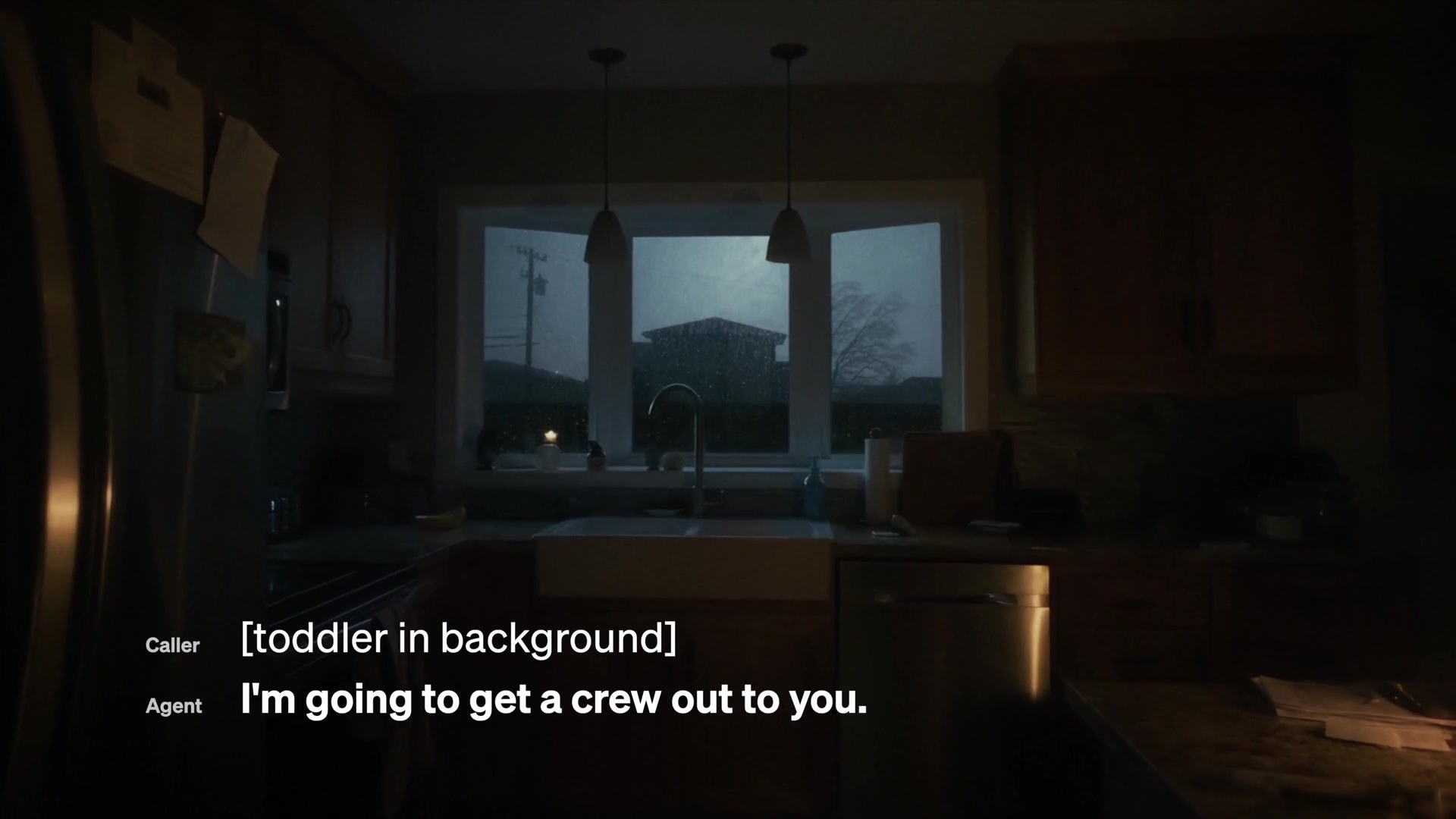
It is full duplex. People talk over each other on the phone. They say "mm-hmm" to show they are following, cut in to fix a digit in a member ID, and start answering before the question ends. Tofu-1 has to tell those interruptions apart mid-sentence: a short "right" means keep going; "No, it's 4, not 9" means stop. It also has to keep a television from taking the floor while letting a quiet correction through.
And it thinks while it talks. High-stakes calls involve real work: verifying identity, checking a claim, looking up benefits, confirming a payment. A person keeps talking while that happens. Tofu-1 runs conversation and work on parallel tracks, with a hard rule attached. If a patient corrects an appointment date in the middle of a lookup, the answer has to reflect the new date. "I'm checking" and "Your payment went through" are different promises. The model is not supposed to say something is done until it is.
The TV saying "Yes" is the actual hard case
Noise removal does not solve a television. An ad says "Call now." A newscaster asks a question. A character says "Yes." Each phrase is clear, intelligible speech. None of it is meant for the agent.
Bland calls this the TV Test. The agent asks, "Just to confirm, you want to cancel your policy?" The caller says nothing—she is still looking for her policy number. The television says "Yes." A transcript-based agent can take that as her answer and cancel the policy. Tofu-1 is built to attribute the "Yes" to the television and ask the caller to confirm. Volume cannot settle it. A loud television can be irrelevant; a quiet correction can be the most important thing said on the call.
There is a stated limit. If the background makes the caller impossible to understand, Tofu-1 should say so and ask them to repeat themselves or move somewhere quieter. Ignoring the television must never become a reason to guess at what the caller said.
The launch video makes the addressee problem concrete. The caller drops her voice and says, softly, "Come and sit with Mommy, okay?"—not to the agent.
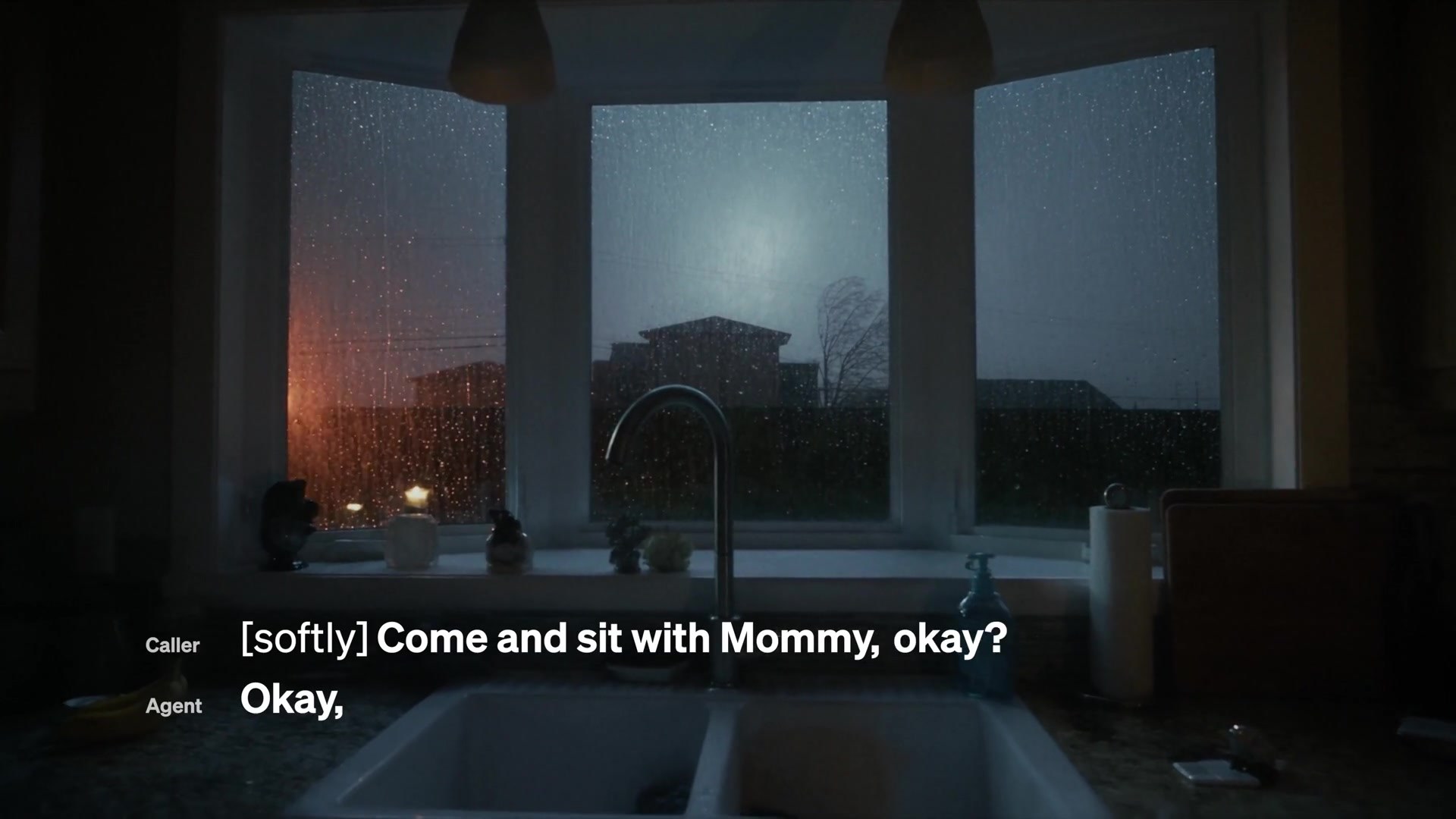
That is exactly where a cascade transcript tends to break. If speech meant for a child is treated as a reply to the agent, the rest of the workflow goes wrong. Tofu-1 writes "who was this said to" into the model, rather than patching it on afterwards.
Don't read "preview" as "you can dial it today"
Research-preview access is open to a limited number of enterprises. Bland is looking for teams that handle high-stakes calls in banking, healthcare, insurance, and government, and wants them to test where the model works, where it breaks, and what it should become. The form asks for a work email and a monthly volume band. There is no self-serve public endpoint.
In a reply after the launch, the company's founder said there are still "pretty serious security concerns," that testing is being finished, and that a smaller distill of the same model is planned for early December. Tofu-1 is described as the first release in Bland's family of speech-to-speech models. There is no public timeline for what follows, and no public benchmark numbers—no latency, no word-error rate, no comparison against other speech-to-speech systems. Do not promote a demo to a leaderboard win.
What shipped today is a fully synthesized call, a claim about listening to sound instead of a transcript, and a door opened for enterprises. Whether a television's "Yes" still gets taken as a customer's consent is a question for those lines, not for the demo.