
Tutor Intelligence Raises $75M Series B Led by a16z for Hourly Warehouse Robots
Tutor Intelligence raises a $75M Series B led by a16z; total funding about $117M for hourly Sonny and Cassie warehouse robots.
Nvdium Tech | November 3, 2026
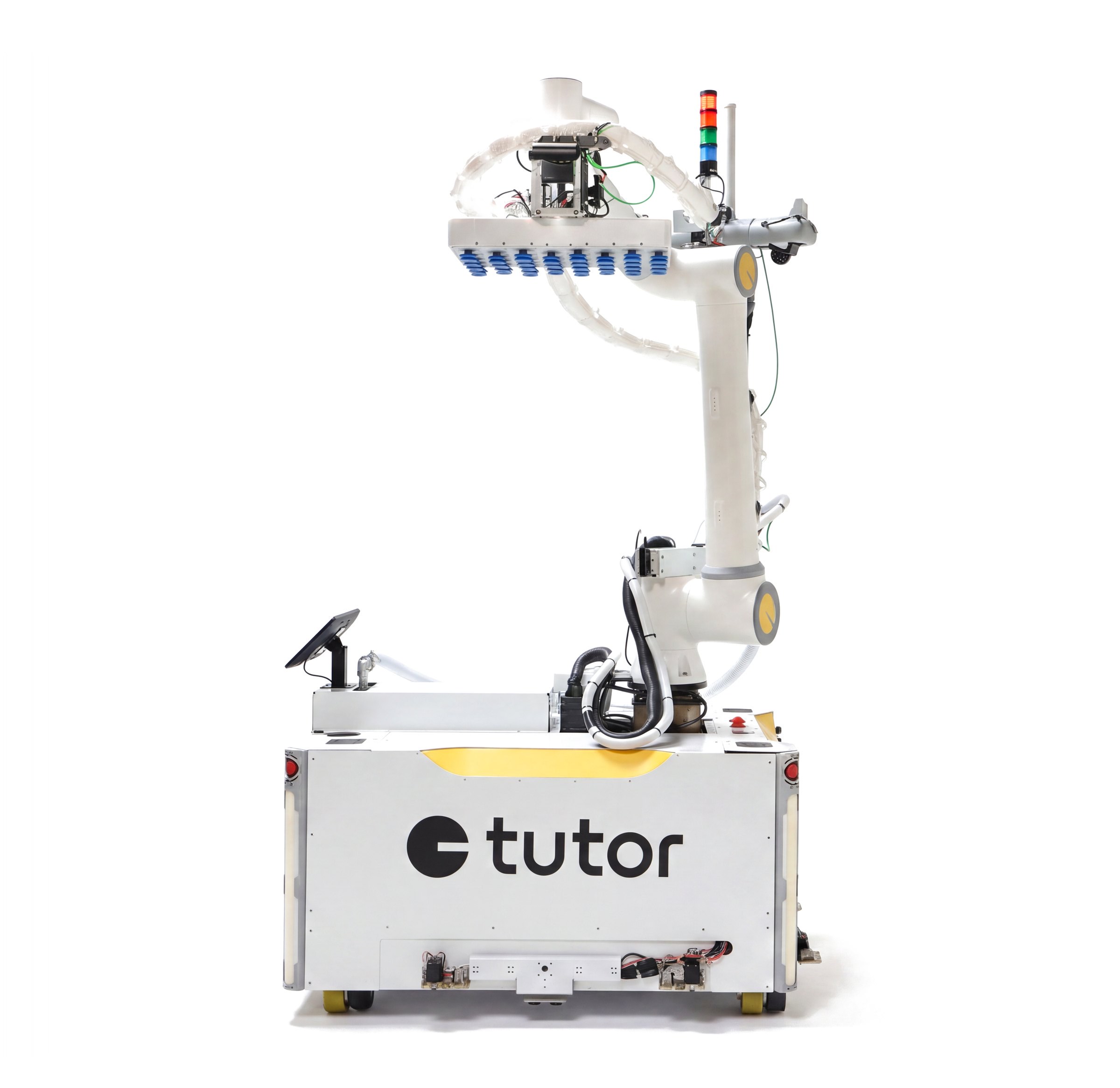
Tutor Intelligence closes a $75 million Series B; total funding reaches about $117 million
Watertown, Massachusetts–based Tutor Intelligence said it raised a $75 million Series B led by Andreessen Horowitz, with Series A lead Union Square Ventures and seed lead Neo returning. Total funding is now about $117 million. The company did not disclose valuation or revenue. Proceeds will train its robot foundation models and scale manufacturing and deployment of its two worker robots, Sonny and Cassie.
Tutor puts internet-connected robots into customer factories and warehouses first, then uses remote human “tutors” to step in on hard steps. Real-shift trajectories feed back into training so the fleet grows more autonomous over time. Cassie is a single-arm unit for case picking and palletizing or depalletizing; Sonny is a two-arm unit for finer e-commerce picks and packs. Both share the same model stack, with hardware and data collection built in-house. Customers do not buy the machines outright. Tutor charges by the hour or by the pick, with no large upfront purchase and no long-term lock-in; it handles deploy and maintenance and pushes software and model updates.
The company says its robots already work across some of the largest U.S. manufacturing and logistics networks, in nearly four times as many facilities as a year ago. Nearly a third of organizations that took Tutor robots in the past 12 months were existing customers adding more units. It aims to have more than 1,000 robots under contract by the end of 2027, all built in the United States. Co-founders Josh Gruenstein (CEO) and Alon Kosowsky came out of MIT; the company started from CSAIL-linked work. a16z managing partner Raghu Raghuram and colleagues argue Tutor works backward from real jobs, turning robots from a capital purchase into an operating expense that mid-market manufacturers and logistics firms can buy by the shift.